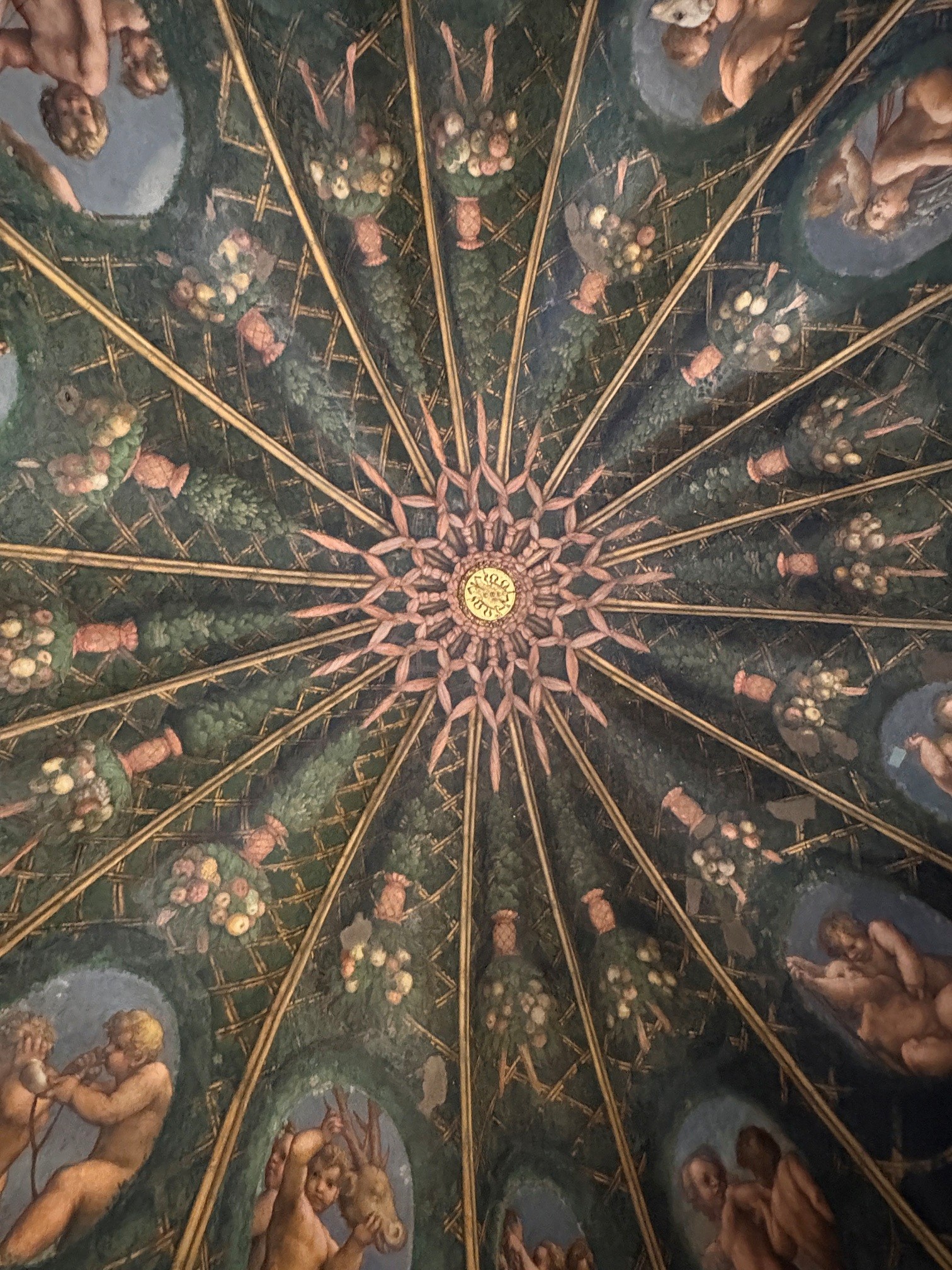

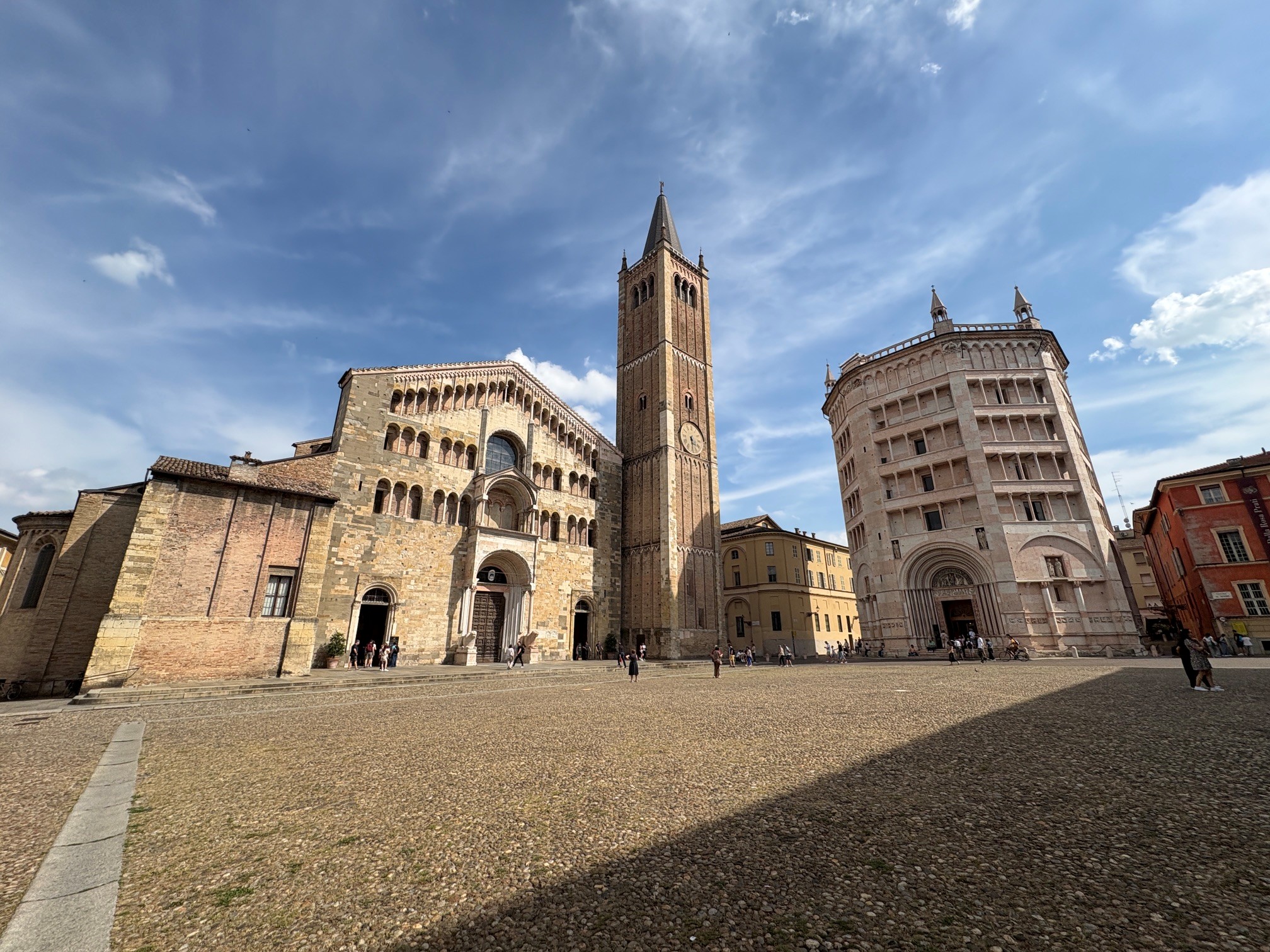
But where exactly is the Charterhouse of Parma? Not long ago, I was about an hour away from Parma and decided to take the train to visit the city and its Charterhouse, made famous by Stendhal’s novel. I discovered Correggio’s paintings in the Abbess’s Chamber (or Camera di San Paolo), the Romanesque Duomo, and its pink Baptistery. I found an excellent gelateria and sampled the ham and cheese for which this leading city of Italian gastronomy is renowned. But the Charterhouse of Parma gave me quite a headache.
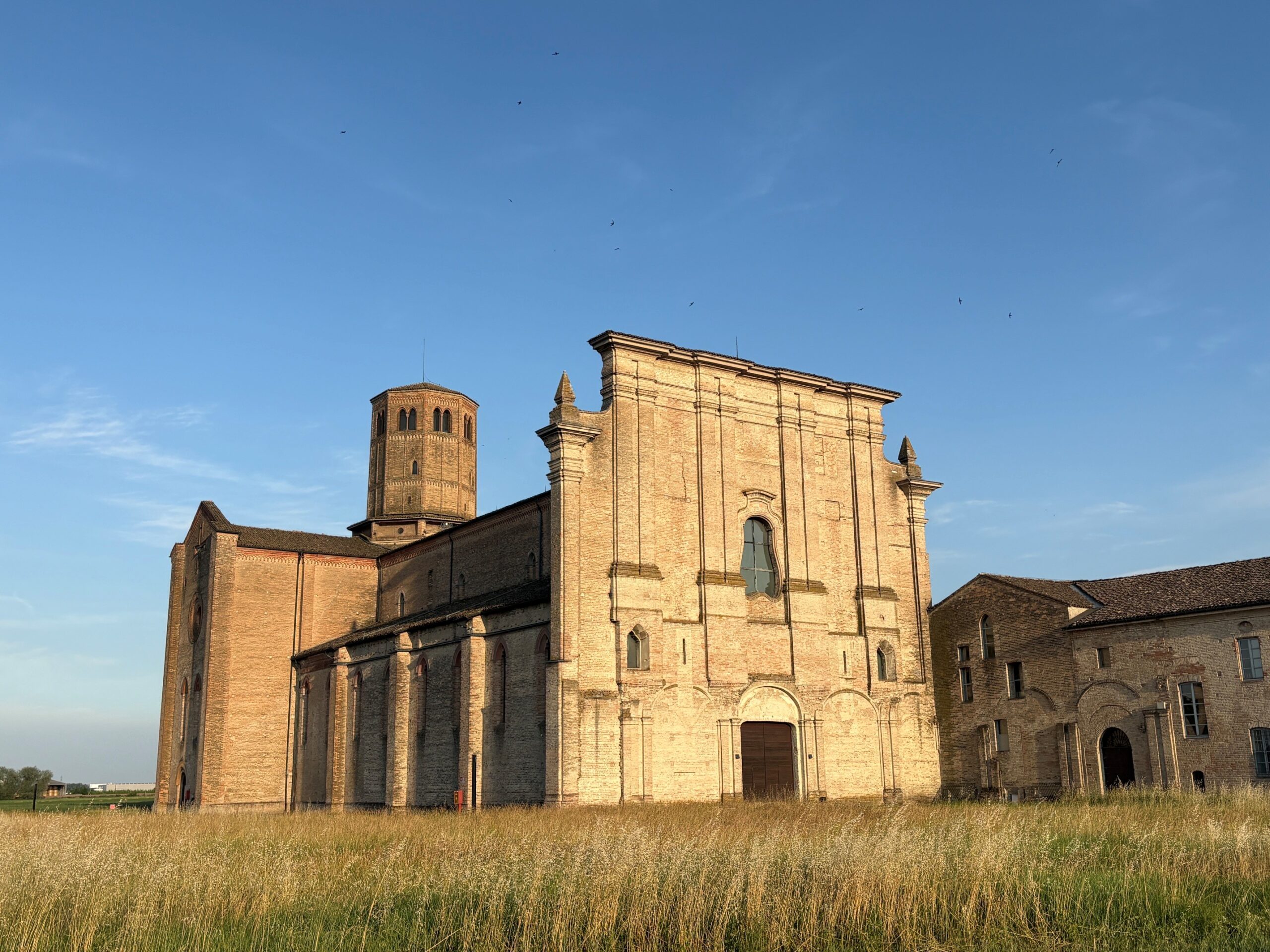
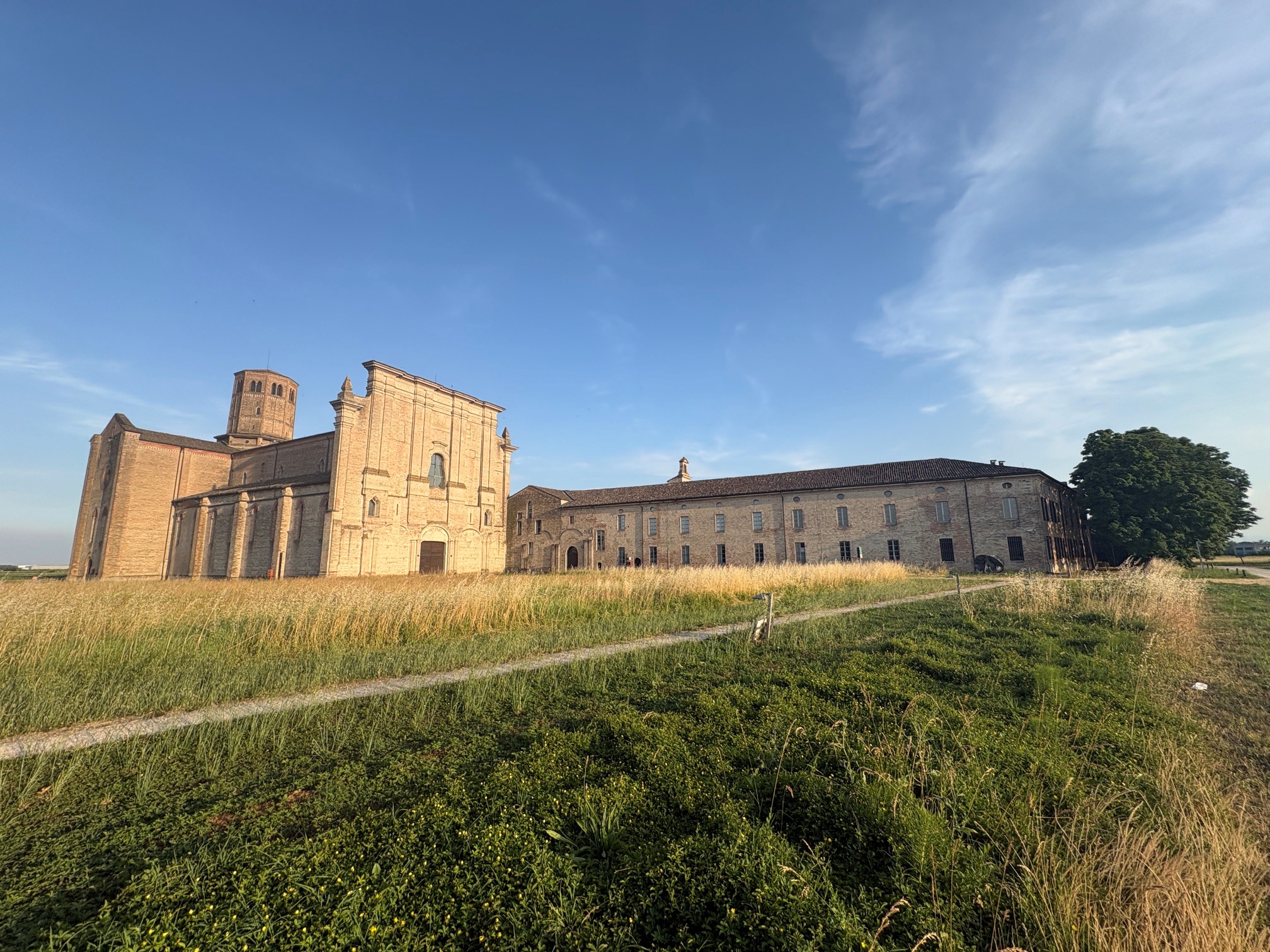
Online, opinions are divided. Two convents or former monasteries claim the title of “Charterhouse of Parma,” both located outside the city. I took the bus to the Abbey of Paradigna (or Valserena). The low-angled light cast an orange glow on the bricks of a large, elegant church with a Gothic structure. It was getting late, and I wasn’t able to go inside. This abbey would readily play the role of the Charterhouse of Parma, but it was founded by the Cistercians. A monastic complex was indeed founded by the Carthusians to the east of the city, but today it houses the correctional police training academy and is not open to visitors.
In Stendhal’s novel, “The Charterhouse of Parma”, the Charterhouse itself—except on the cover—is not easy to find either. In fact, it is mentioned only at the very end of the story, in the final chapter. That is where Fabrice del Dongo retreats after the deaths of Clélia and their son Sandrino. And it is not the prison—called the Farnese Tower by Stendhal—where Fabrice is detained and communicates by gestures with Clélia, the daughter of General Conti, the prison governor, as she goes out to feed her birds.

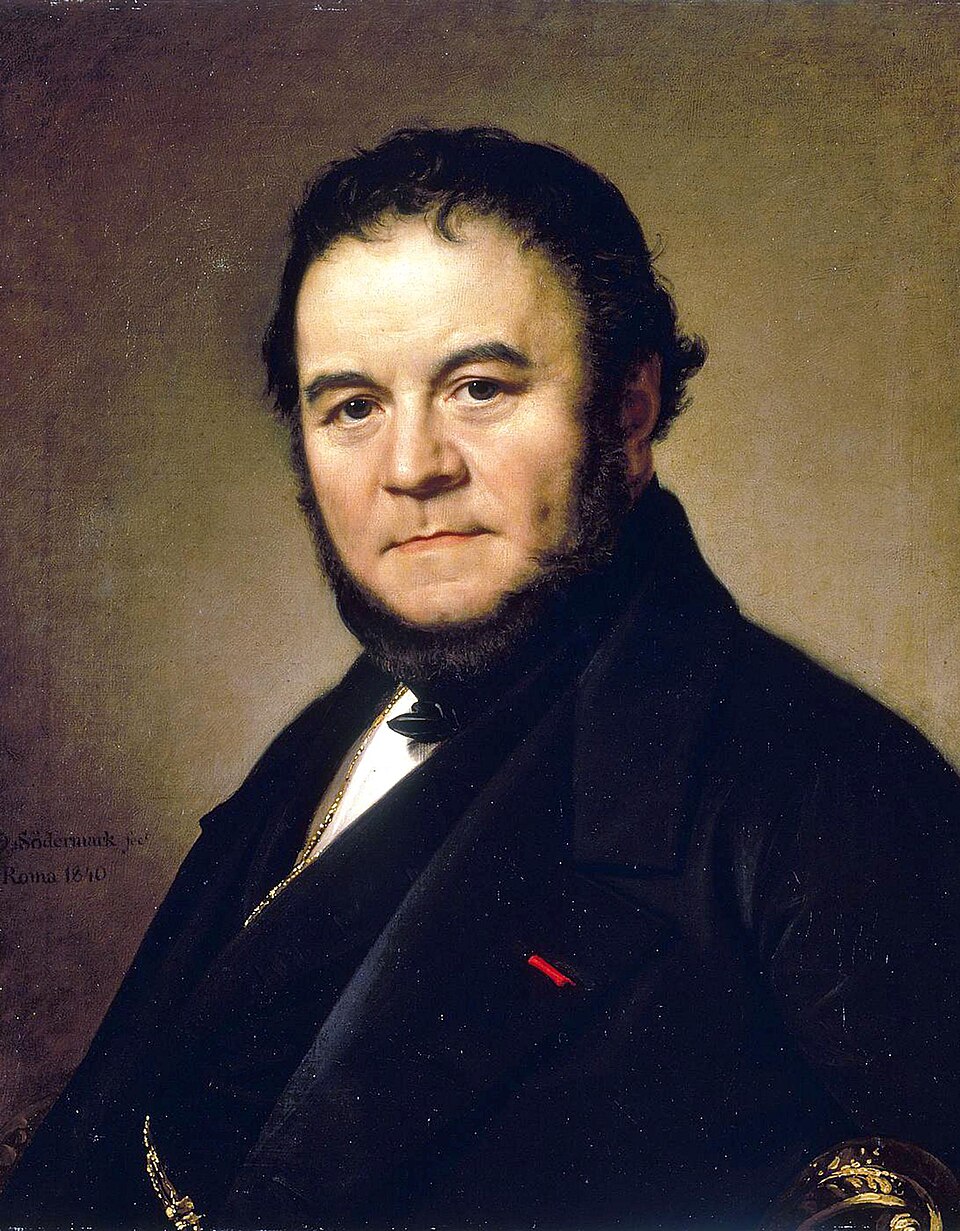
Stendhal’s masterpiece could be summarized in these few lines: Fabrice, a young Italian marchesino, wants to be a hero. He arrives at Waterloo as a tourist and sustains a minor wound there. Back in Italy, the young man turns every woman’s head—starting with his aunt, the beautiful Gina. But he himself isn’t all that moved by it: “I love, no doubt, just as I have a hearty appetite at six o’clock!” With a military career now out of reach, he dons the clerical habit without much conviction.
Everything changes, however, when—following a complicated plot at the court of the Duchy of Parma—he is imprisoned in the Farnese Tower. The carefree young man transforms into a passionate lover when, from behind the bars of his cell, he catches sight of the young Clélia Conti feeding her birds.
The second part of the novel follows this passionate love between Fabrice and Clélia. While the petty intrigues of the Duke of Parma’s court suddenly seem insignificant, the two lovers must overcome the obstacles that fate has ingeniously placed in their path. Fabrice, the nonchalant protagonist at the beginning of the book, becomes a hero of love. Set in a fictional Parma created by Stendhal, the contrast and transformation of the narrative—from an adventure novel to a love story—make it one of the most modern works of the 19th century. The book has become a classic taught in schools. But brush away the dust covering the books that were forced upon you in French class. It was while searching for a seemingly elusive “Charterhouse of Parma” that I had the pleasure of immersing myself once again in this brilliant, surprising—in short, dazzling—book.