
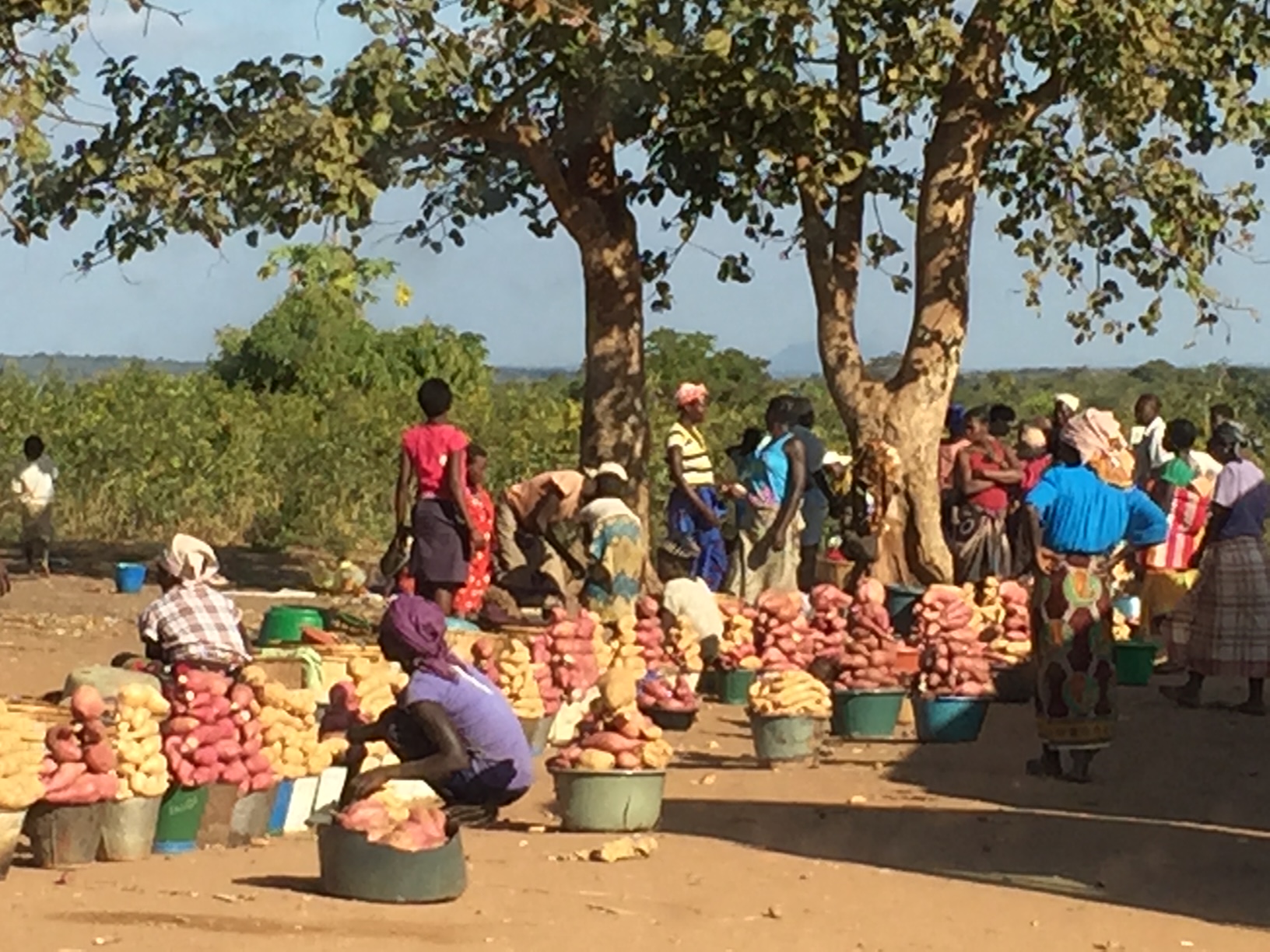
My most recent trips to Mozambique aren’t exactly recent anymore. Still, I’ve visited Maputo, the capital, several times—it’s located in the south of this long country that runs along the coast of the Indian Ocean. I’ve also worked in the province of Manica, much further north, near the border with Zimbabwe. Maputo is a large port city, neighboring South Africa, very lively, with a Latin flair in its music and cuisine. Chimoio, the capital of Manica, is much quieter, a commercial hub in the middle of vast and sparsely populated savannas and forests.
It took me a little while to find books that truly captured the essence of Mozambique. I was drawn to two novels, both written by women who had lived in the country. One can serve as a prelude, and the other as a coda, to the long period of war—first colonial and then civil—that tore the country apart.
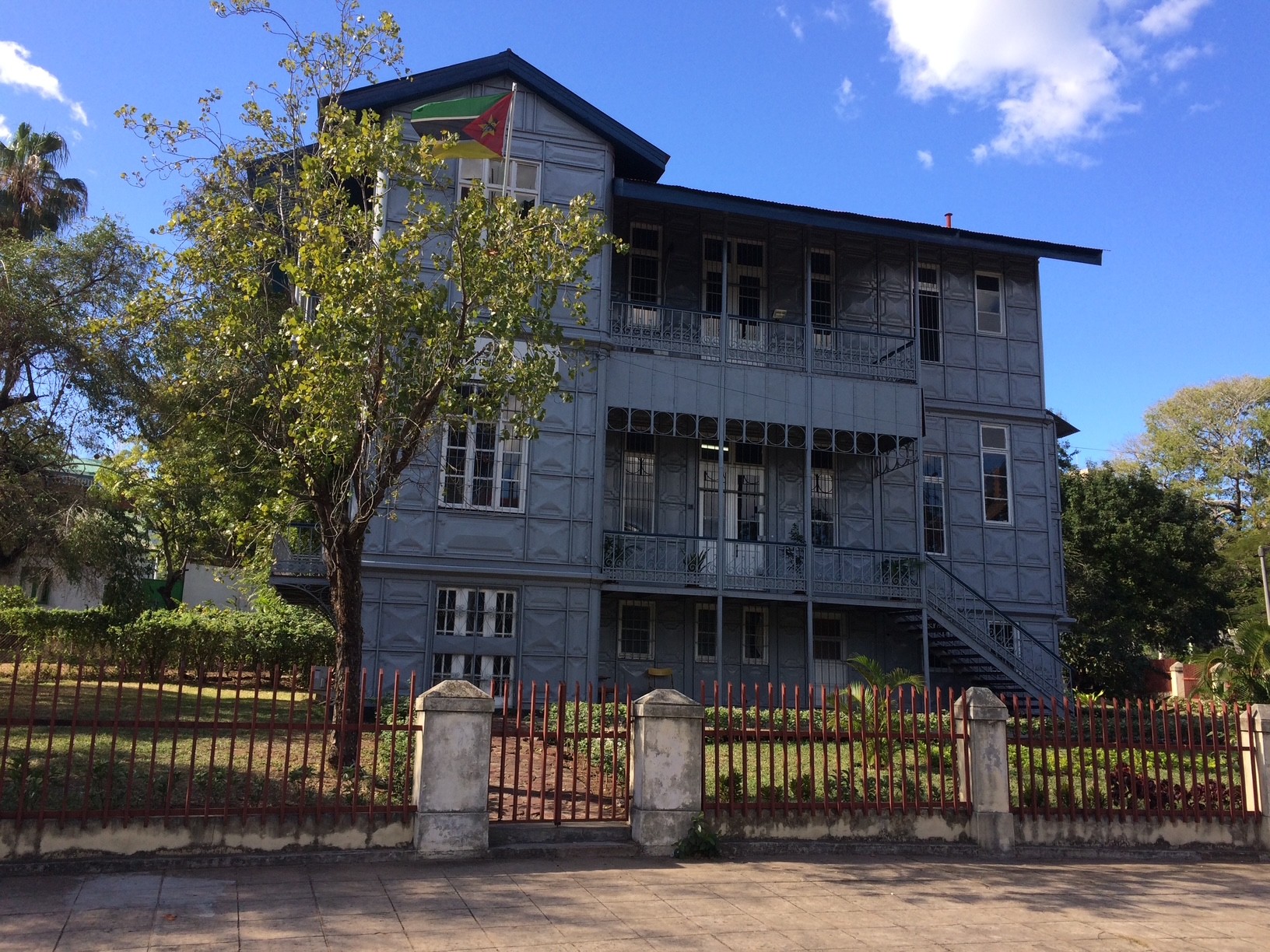
I began reading the first pages of “A Costas dos Murmúrios (The Murmuring Coast)” by Portuguese author Lídia Jorge for my Portuguese class. I finished it in its French translation and then watched Margarida Cardoso’s film adaptation in the original version.
Unlike most other European countries, Portugal under the Salazar regime did not allow its African colonies to gain independence in the early 1960s. It became embroiled in long colonial wars that would not end until after the 1974 Carnation Revolution. Many young Portuguese were forced to fight for this outdated empire. Lidia Jorge accompanied her husband, an officer, to Mozambique, where she taught Portuguese.
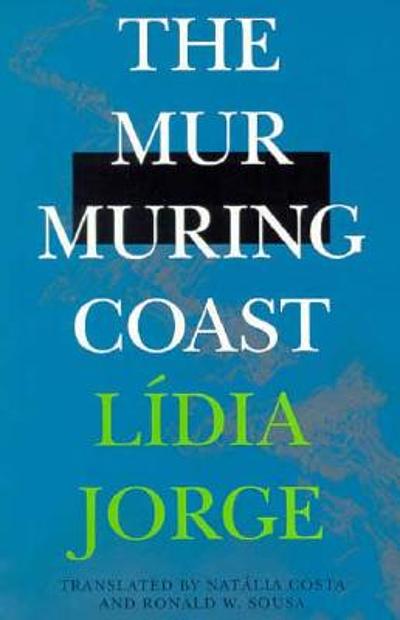

In the novel, Eva is also a young woman who has just gotten married and joins her husband, an officer stationed in one of the coastal towns. At first, she discovers the frivolities and boredom of garrison life, consisting of parties in closed-circle, swimming at the beach, and hunting in the bush. But Eva, observant, watches as this world begins to unravel. Her husband is no longer the shy math teacher who had charmed her back home. One morning, the lifeless bodies of Mozambicans wash up on the town’s beach. Who supplied them with the adulterated alcohol that poisoned them?
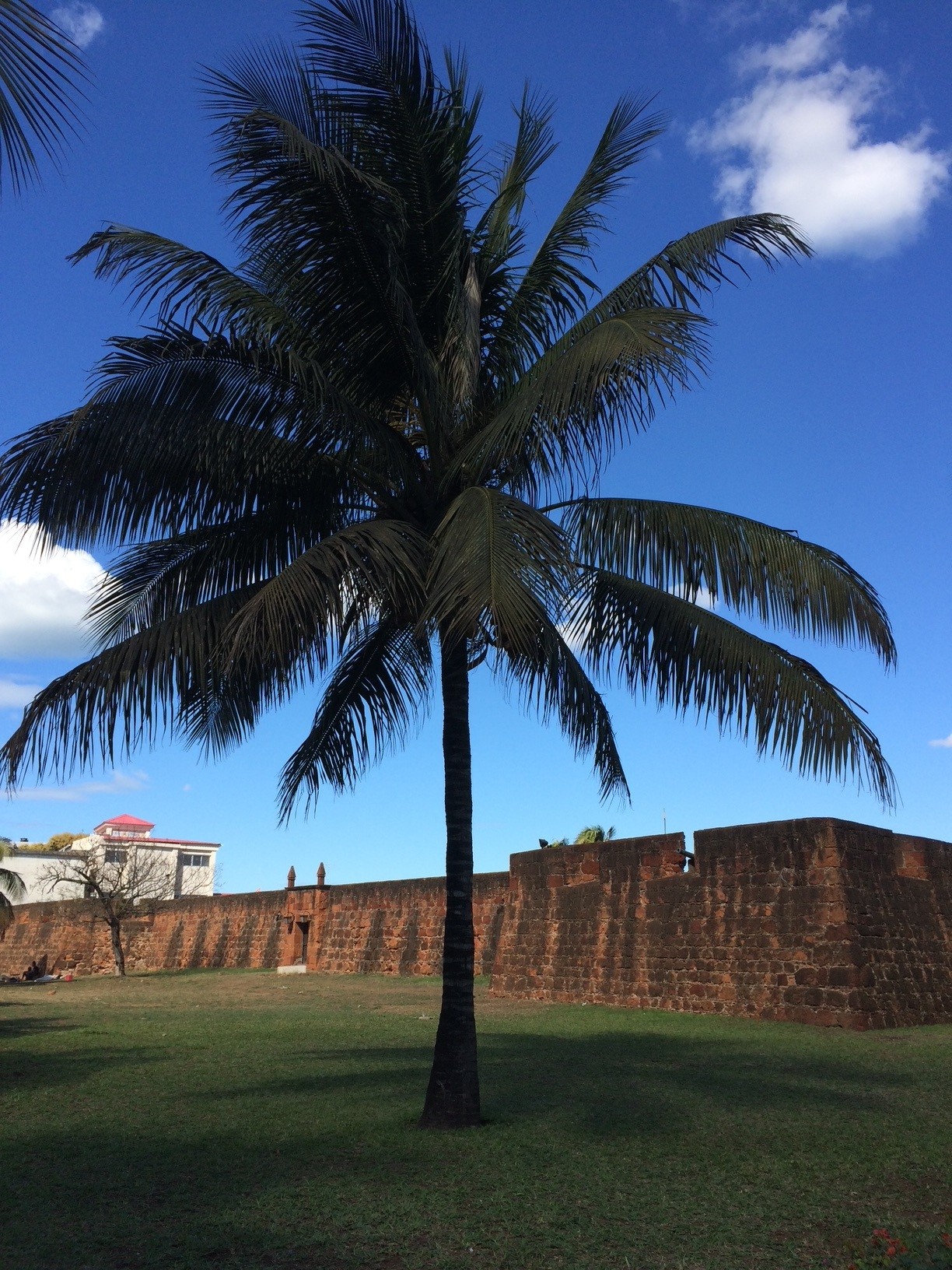
Nedjma Kacimi is a Franco-Algerian author who lived in Mozambique for several years. In « Destéria et les Démineurs (Destéria and the Mine Clearers)”, not available in English, she describes a country emerging from war, but whose scars have not yet healed. After heavy rains, landmines thought to have disappeared years ago resurface, explode, and claim many victims. Teams of deminers must be recalled and trained.
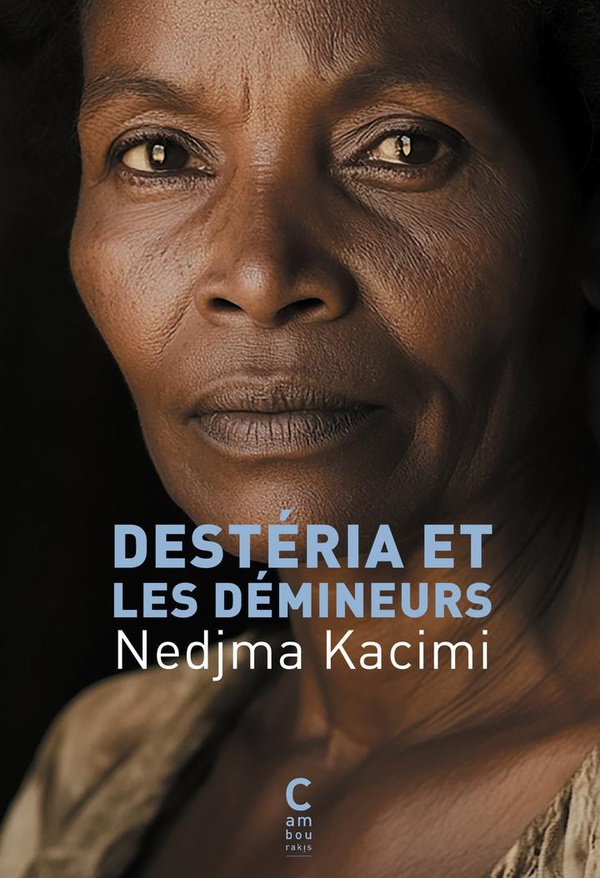

But do these mines, which resurface without warning, really date back to the civil war? Or do they serve the commercial interests of former heroes who have settled into power and become greedy for profit? Destéria, the novel’s heroine, has experienced the war and its protagonists. She is respected throughout the city, which seems to attribute healing powers to her. When her son Damasio finds himself unwittingly caught up in the eye of the storm, she must step out of her shell to sort out fact from fiction and put a stop to the explosions.