


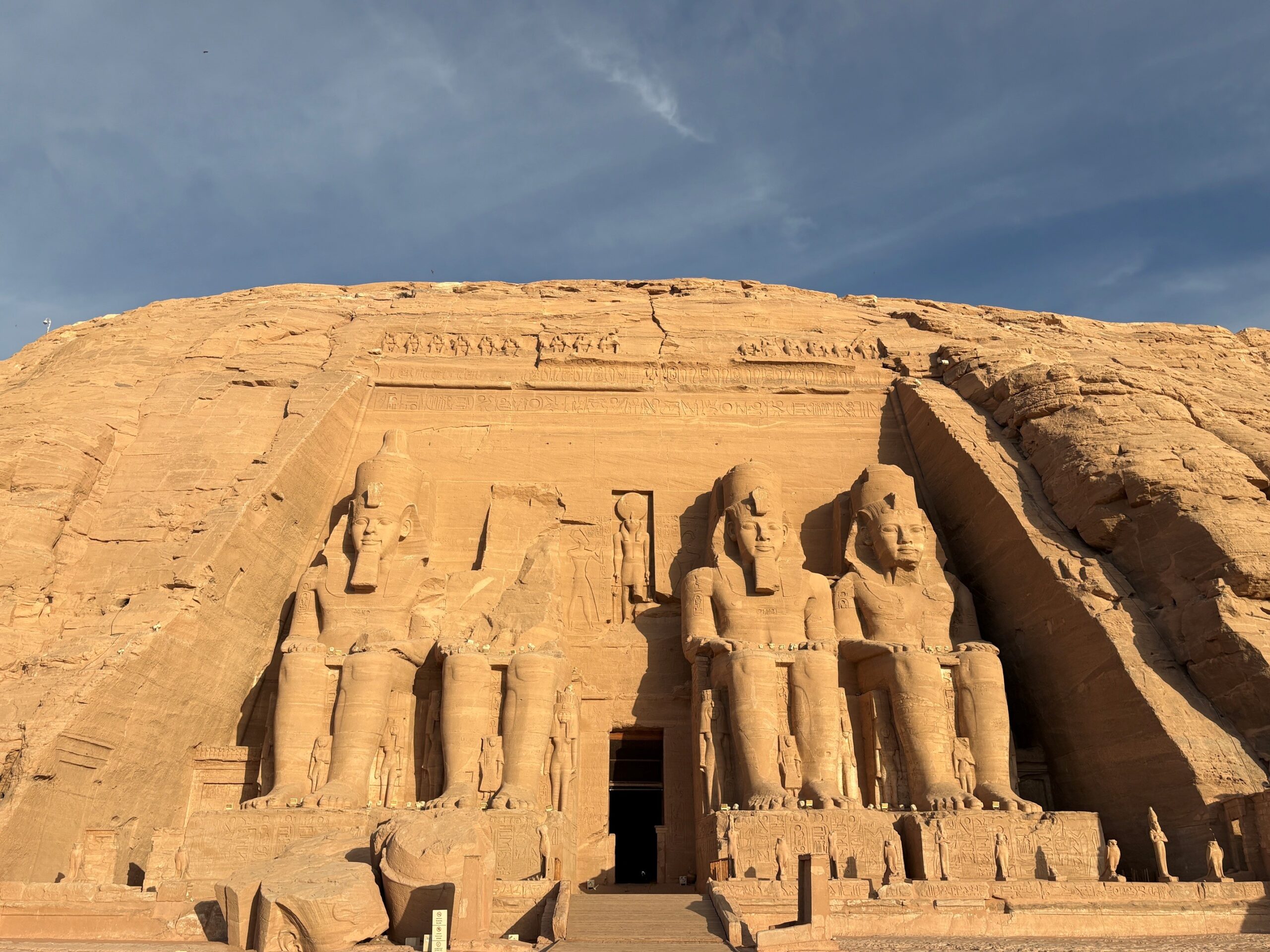
“Egypt is a gift of the Nile.” I remember this famous quote from Herodotus that I learned in my history classes. It came back to me during my recent trip to Egypt. First, as soon as I disembarked in Aswan, when I caught sight of the Temple of Philae from the boat that was taking us there. Then at Abu Simbel, where I watched, on the shores of Lake Nasser—where the life-giving river widens—the colors of the setting sun, and then the rising sun, light up the giant statues of Ramses II and Nefertari, guarding the entrance to the sanctuaries.
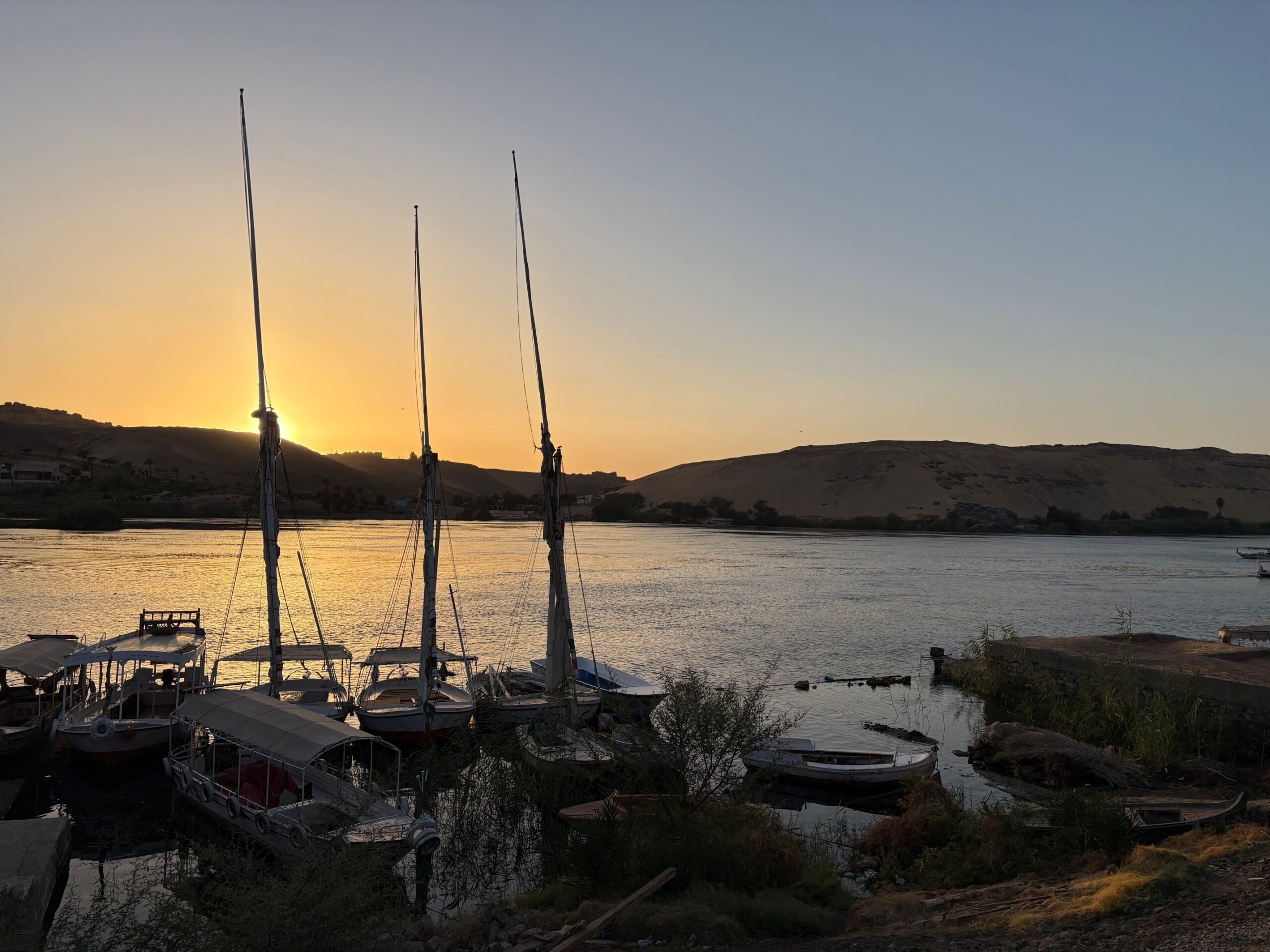
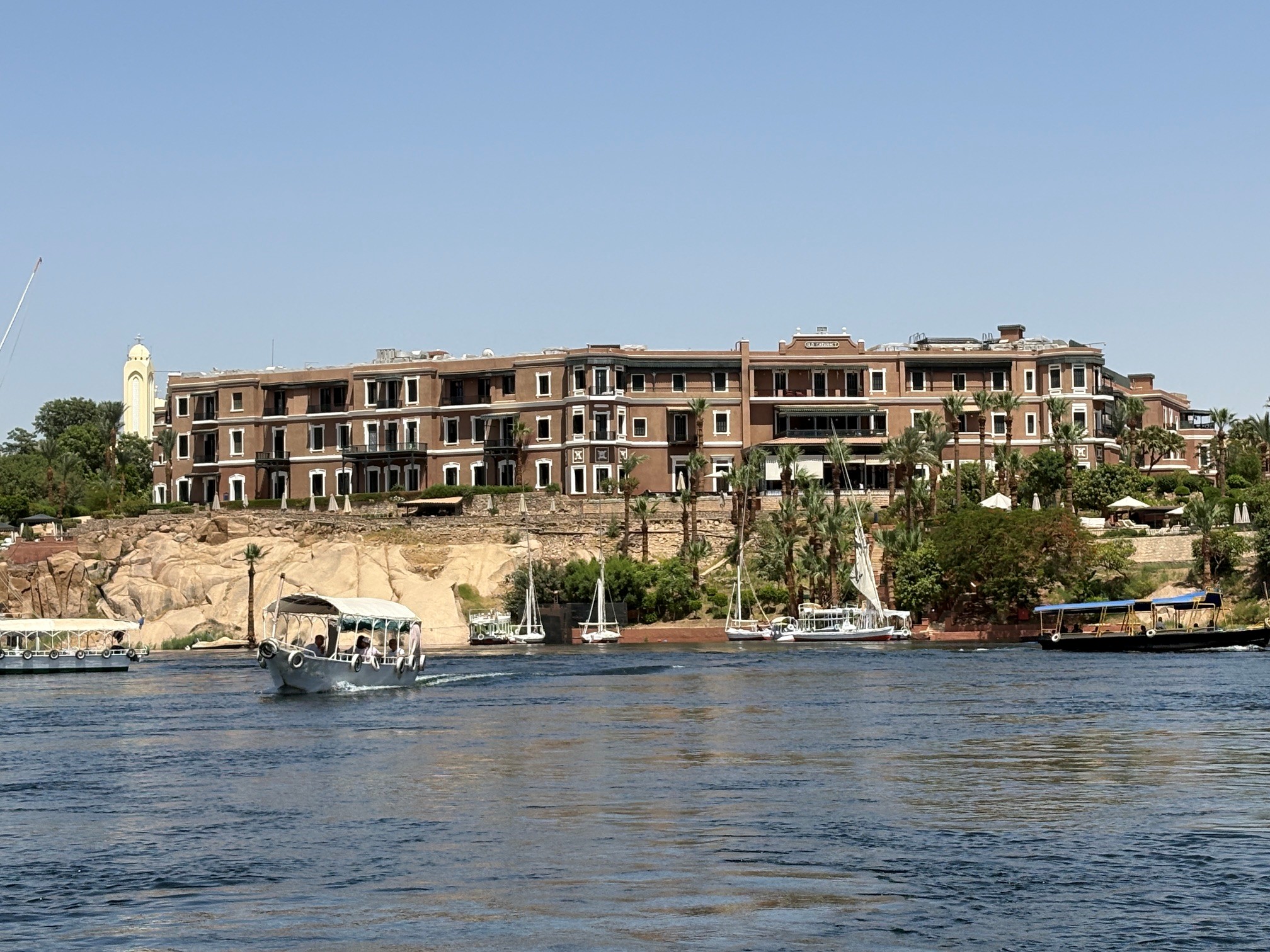
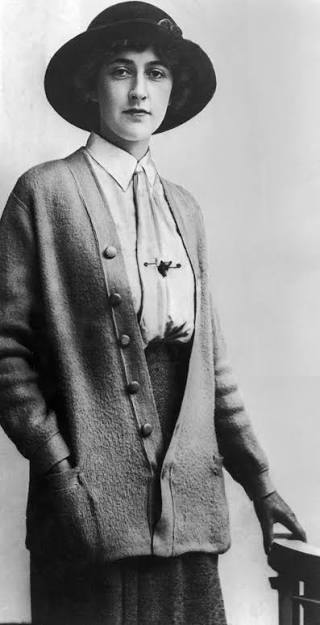
Back in Aswan, I spent an afternoon on a felucca cruising along the banks of the Nile. Before taking a walk on Elephantine Island, my guide showed me the “Old Cataract Hotel,” which overlooks the river from a cliff of pink granite. Even though my budget wouldn’t allow me to stay there, I couldn’t resist going for dinner on the famous terrace that has hosted many illustrious figures, kings and other heads of state, as well as Agatha Christie.
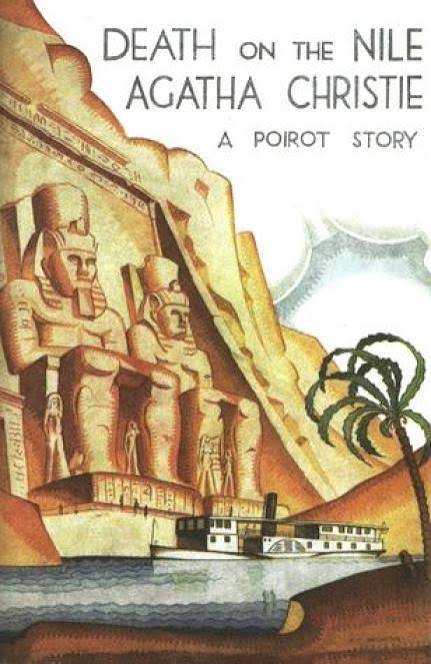
“Death on the Nile,” written in 1937, is one of the “Queen of Crime” ‘s most famous novels. Some scenes take place at the “Old Cataract Hotel.” Others are set in Abu Simbel, where a boulder breaks loose from the top of the temples and narrowly misses crushing a wealthy heiress. The rest of the novel unfolds aboard a boat sailing down the river. Murders occur one after another, and Hercule Poirot, the ever-confident Belgian detective, leads the investigation. I won’t give away the plot, but this mystery novel also offers, set against the slightly old-fashioned atmosphere of luxury travel in the 1930s, an excellent portrayal of the great monuments of ancient Egypt.
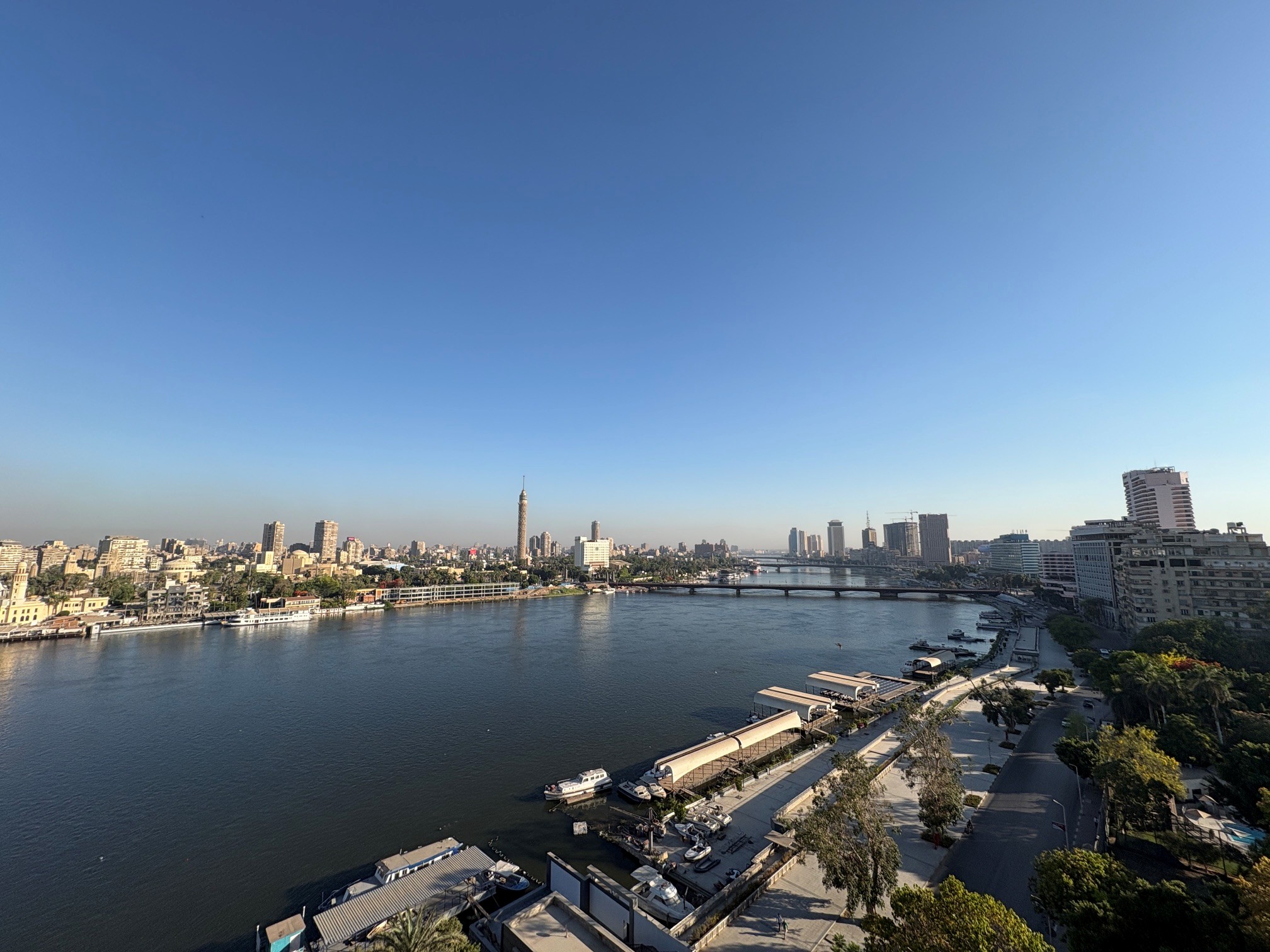
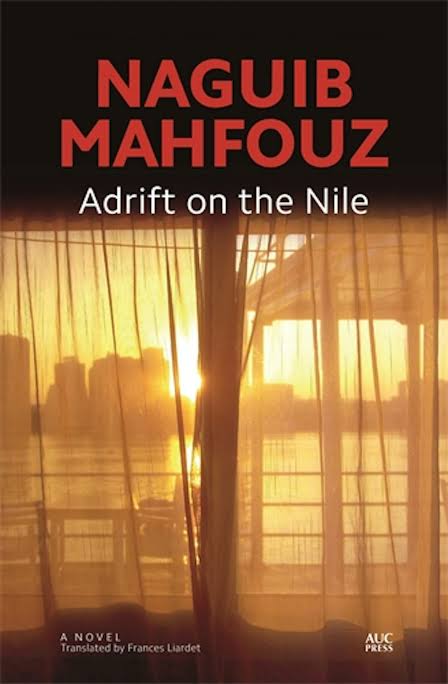
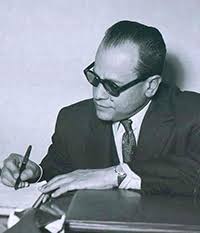
After a stop in Luxor, I ended my trip in Cairo, a city that has long fascinated me. I’d found a hotel there along the Nile. From my window, I enjoyed the ceaseless ballet of pedestrians, cars, and boats following or crossing the river. I also spotted a few boats moored along the banks. No doubt similar to the one on which Anis Zaki meets his friends every evening. In the novella “Adrift on the Nile”, Naguib Mahfouz, the Egyptian Nobel Prize winner in Literature, invites us aboard this boat, where a group of civil servants and intellectuals from the Cairo bourgeoisie of the 1960s gather to spend the night. There, they smoke kif, drink whiskey, and invite women who aspire to be modern. Every evening, Anis acts as the “master of ceremonies,” but the conversations—like the narrative—seem to go around in circles, aimlessly. The arrival of Samara, a journalist intrigued by this charade, shifts the balance within the group. And a nighttime expedition to the Pyramids of Giza turns into a tragedy.
From Agatha Christie’s perfectly crafted detective stories to Naguib Mahfouz’s rather perplexing existentialist novel, one thing becomes clear: In Egypt, literature, like life itself, remains dependent on the waters of the Nile.