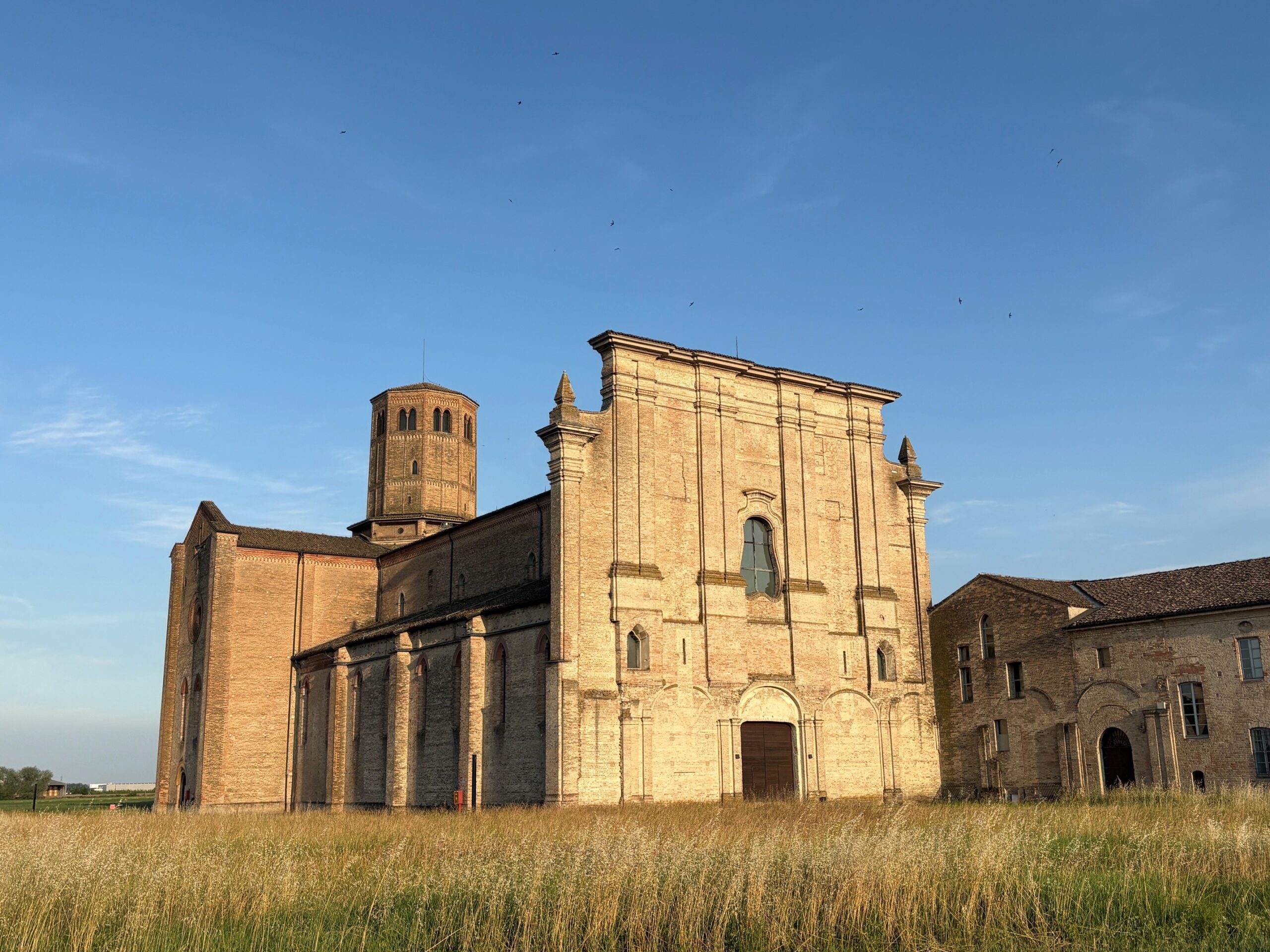

My first visit to Dresden took place during the winter of 1990–1991. Germany had just been reunified, and I was spending an Erasmus semester at the University of Göttingen, not far from the former border between East and West. Some German friends had taken us on a trip to the East, and we stayed in Dresden, where we were hosted in the university dorms. This wasn’t my first trip to the former GDR, since I had gone to Berlin the weekend after the Wall fell in November 1989.
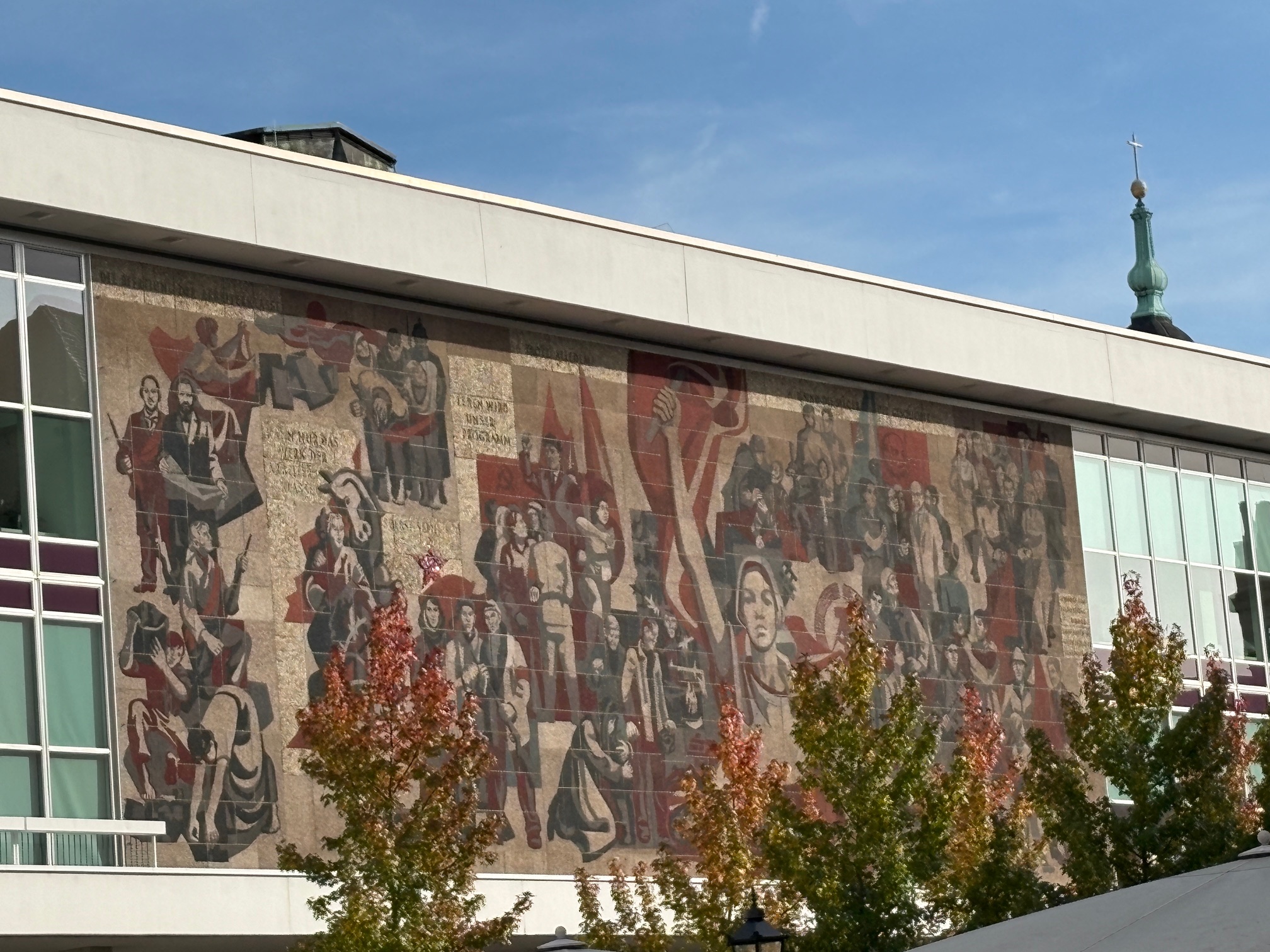
I remember a rather eclectic mix of buildings: some of the Baroque palaces and churches that had earned the city its nickname, “Florence of the Elbe,” had been rebuilt but already seemed weathered by pollution; others, like the Frauenkirche, remained in ruins, a testament to the deadly bombings of 1945. As soon as you left the banks of the Elbe, the dominant architecture was the functional, gray style of communism. The Trabants parked along the streets seemed more fun than the concrete rectangles casting shadows over them.
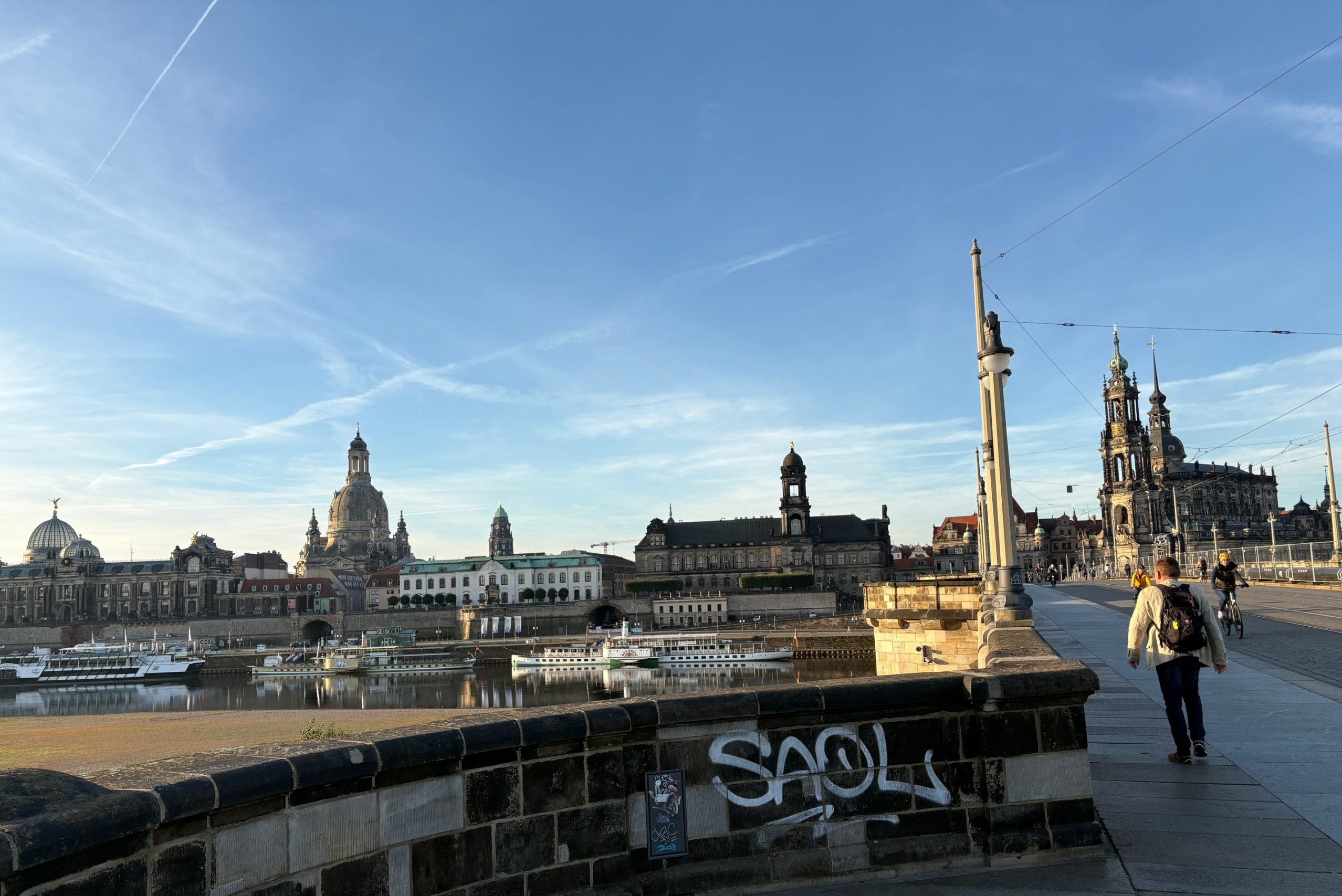
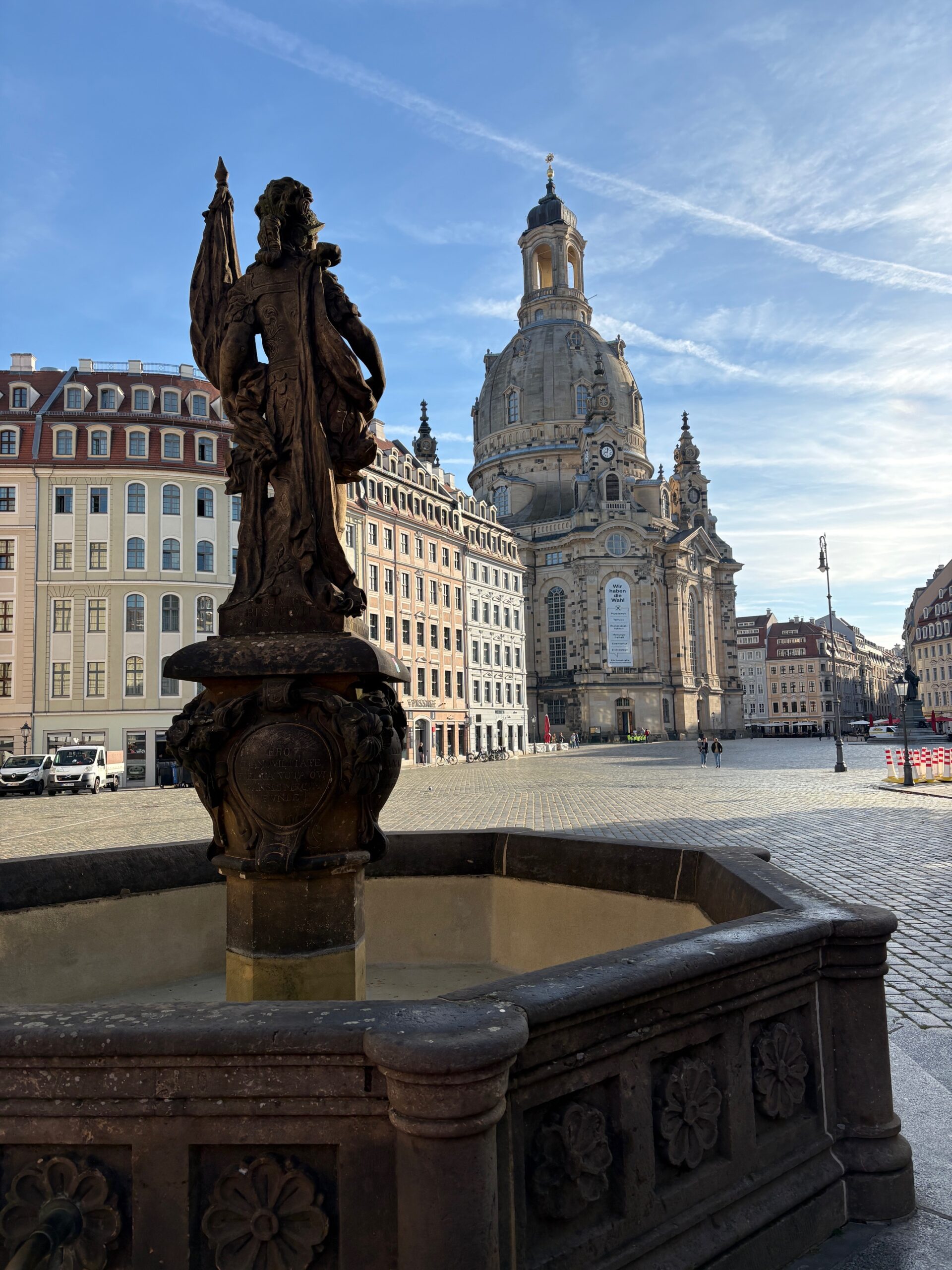
I returned to Dresden last September, thirty-five years later. The weather was beautiful, and I thoroughly enjoyed strolling along both banks of the Elbe. The city’s reconstruction and renovation are complete: it’s a gem of Baroque architecture. I admired the view from the top of the Frauenkirche’s dome, strolled through the Zwinger gardens, and attended a rehearsal of “Un Ballo in Maschera” at the Semperoper.
The city’s resurgence almost makes one forget the horror of the Allied bombings at the end of World War II. The city had no industry or strategic importance, yet it was flattened by British and American bombs from February 13 to 15, 1945. The goal was to break the morale of the German population. Ninety percent of the city was destroyed, and 25,000 civilians perished. These bombings certainly sparked controversy, but they were never recognized as war crimes—no doubt because they were carried out by the victors.
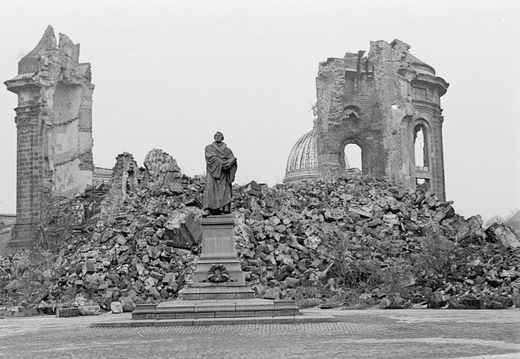
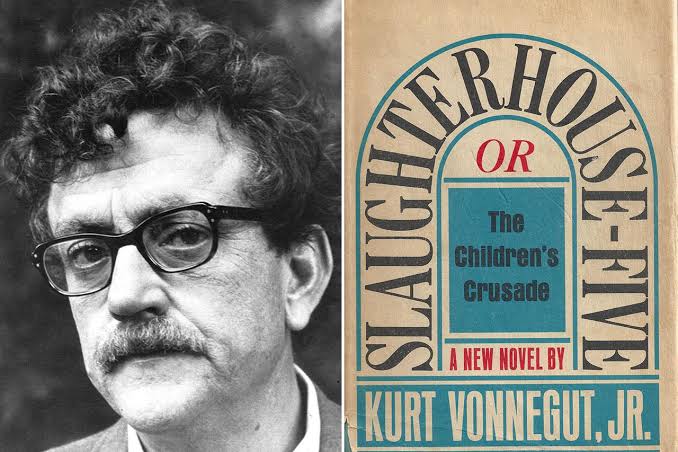
Remnants of the ruins serve as a lasting reminder on the small square behind the Frauenkirche. Literature also allows us to imagine these events. The American writer Kurt Vonnegut, taken prisoner by the Germans shortly after the Battle of the Bulge, was transferred to Dresden. He survived the bombings because his group was being held in the basement of a slaughterhouse. This inspired his novel’s title, which, in its full form, is: “Slaughterhouse-Five or the Children’s Crusade.” It’s a fascinating book, though at times confusing. Billy Pilgrim lives several lives simultaneously. He is an aging American optometrist with hazy memories, a human transported by aliens to another planet, and also an American GI who witnesses the destruction of Dresden. Recognized as one of the best science fiction novels, it is also a major literary work denouncing the absurdity of war.
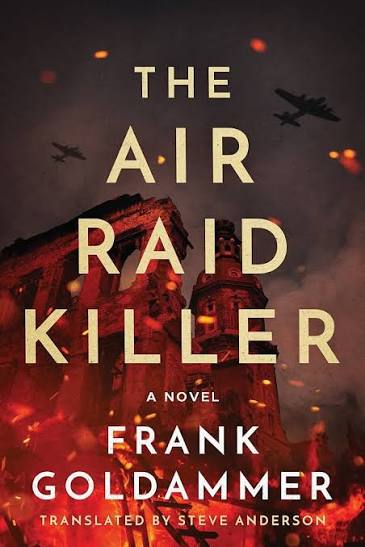
“The Air Raid Killer (Der Angstmann)” by German author Frank Goldammer is a mystery novel, the first in a series featuring detective Max Heller. Heller, a veteran wounded in World War I, is an inspector with the criminal investigation department. In early winter 1944, as cold and shortages ravaged Dresden, he was summoned by some children who had discovered the mutilated body of a young woman in a boat shelter along the Elbe. The victim is a nurse who had just arrived from Berlin. As refugees from the East, fleeing the Red Army’s advance, pour into the city, Heller begins his investigation. He receives no support from his superior, an SS officer who reproaches him for not having joined the Nazi Party. Similar horrific crimes continue to take place, while Heller’s investigation goes nowhere. The public begins to believe that a monster is lurking at night. Then come the bombings of February 1945. Heller thinks he’s come face-to-face with the killer amid the flames of the fire, but the murderer escapes. In May, Dresden is occupied by Soviet troops, and Heller is relieved of his duties. But the investigation isn’t over…