


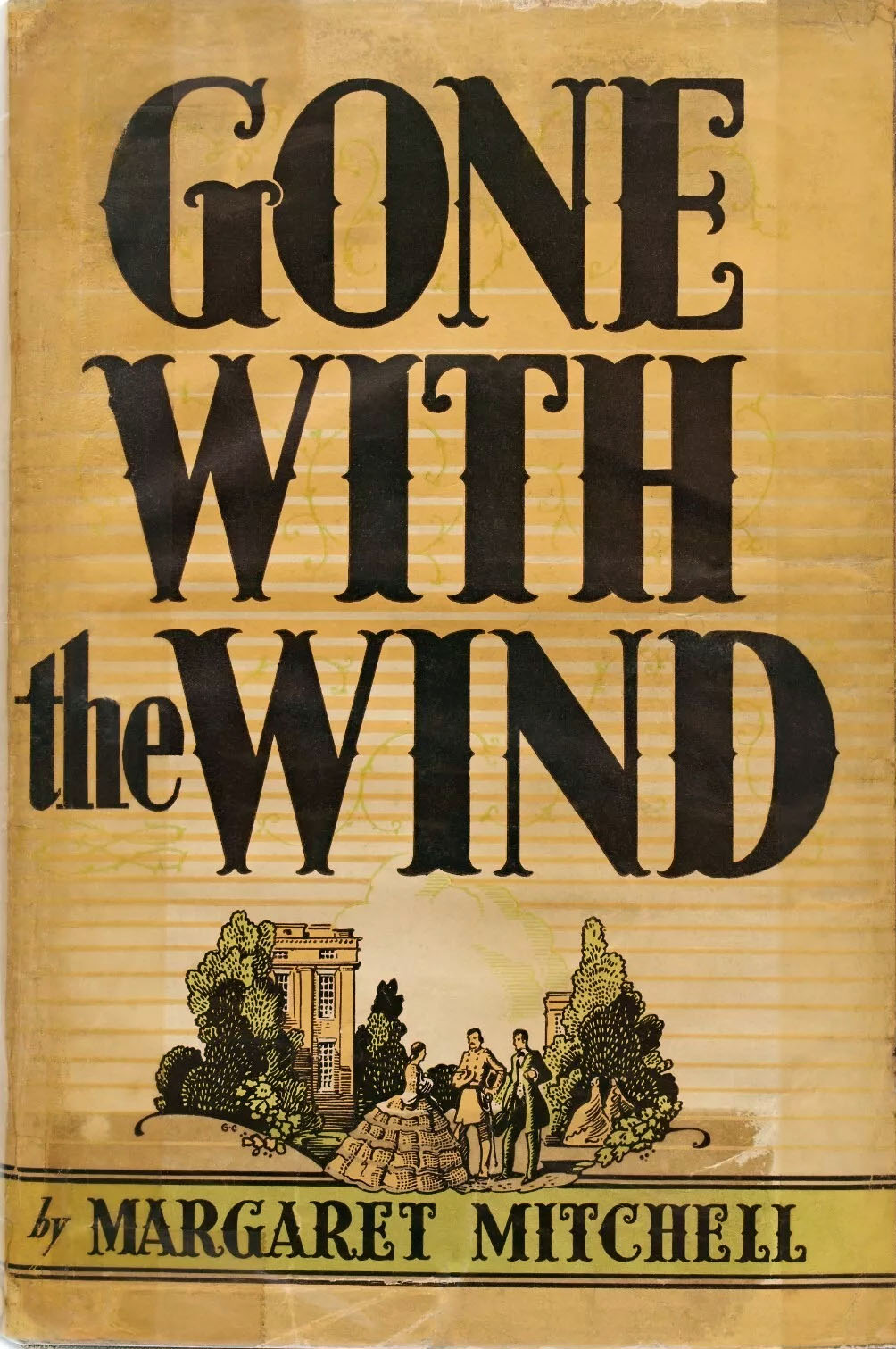
I remember watching “Gone with the Wind” on TV. We were teenagers, and when that movie was scheduled to air on Belgian TV, it was almost an event. We’d talk about it the next day in the schoolyard, fascinated by the historical context of the American Civil War or captivated by the rebellious romance between Scarlett O’Hara and Rhett Butler as Atlanta burned.
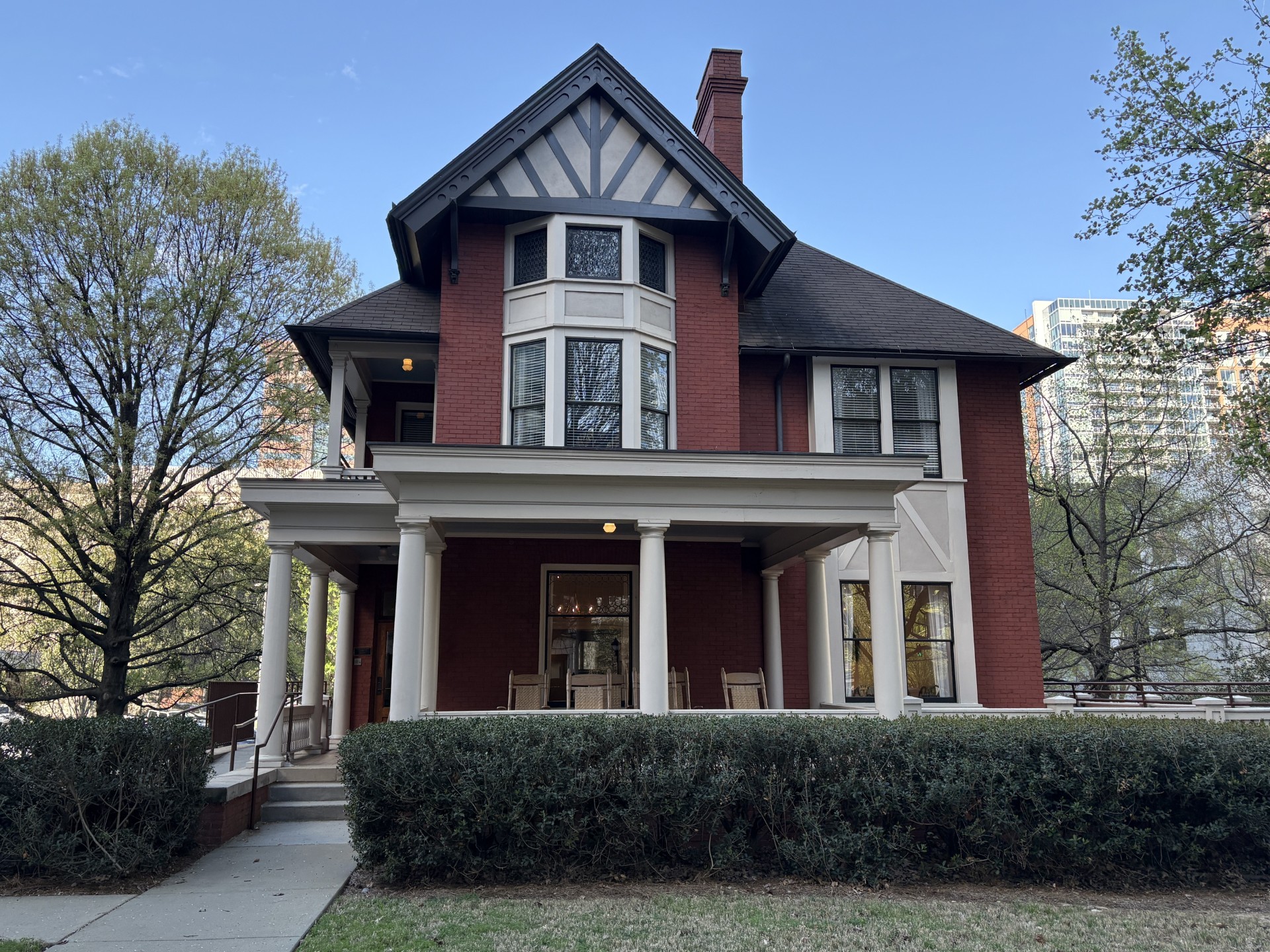
Since then, I had sort of forgotten about that movie, and I had never read the novel by Margaret Mitchell that inspired it. A recent trip to Atlanta with my son Alex reignited my interest. We discovered Margaret Mitchell’s home in the city center. It’s actually more of a ground-floor apartment—which she called “the Dump”—where she lived with her husband and wrote the one and only novel that made her famous. The house has been turned into a museum that chronicles the author’s life but also highlights and explains the controversies surrounding the book and its film adaptation.
For this novel, which won the Pulitzer Prize in 1937—and while it sold millions of copies and tells a passionate love story—also helped popularize nostalgia for the “Old South”: the beautiful plantations at the end of avenues lined with century-old trees, the sumptuous dresses and corsets, all adjusted by smiling slaves, before the debutantes descended the grand staircase as the first notes of the ball held in their honor rang out. This visit gave me a better understanding of the novel’s context and issues while encouraging me to read it – which I did with great pleasure.

Alex and I then continued our tour in Atlanta, visiting the neighborhood where Martin Luther King lived, including his birthplace, the “King Center,” and Ebenezer Baptist Church, where the leader of the American civil rights movement and Nobel Peace Prize laureate preached.

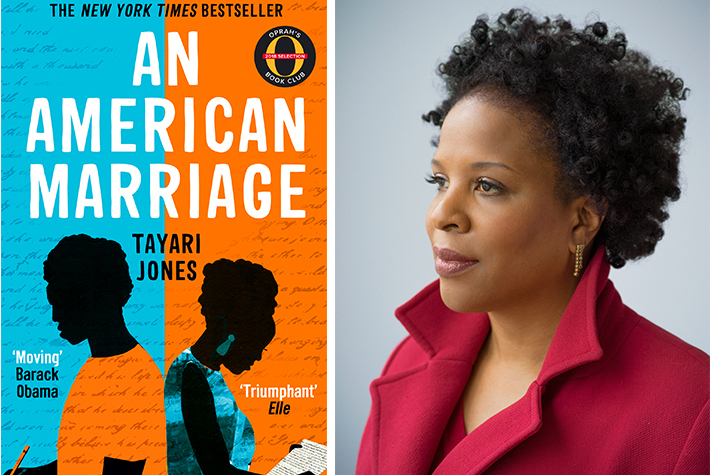
I also read a beautiful novel, “An American Marriage”, written by Tayari Jones, a native of Atlanta. Celestial and Roy have just gotten married; they are happy and belong to the Black middle class in the large Southern metropolis. During a trip to Louisiana to visit his family, Roy is—wrongly—accused of rape. He is sentenced to 12 years in prison. Celestial tries, as best she can, to hold on to their love. After five years, the conviction is overturned, and Roy returns to Atlanta. A novel that is both luminous and sad, written with grace and generosity.