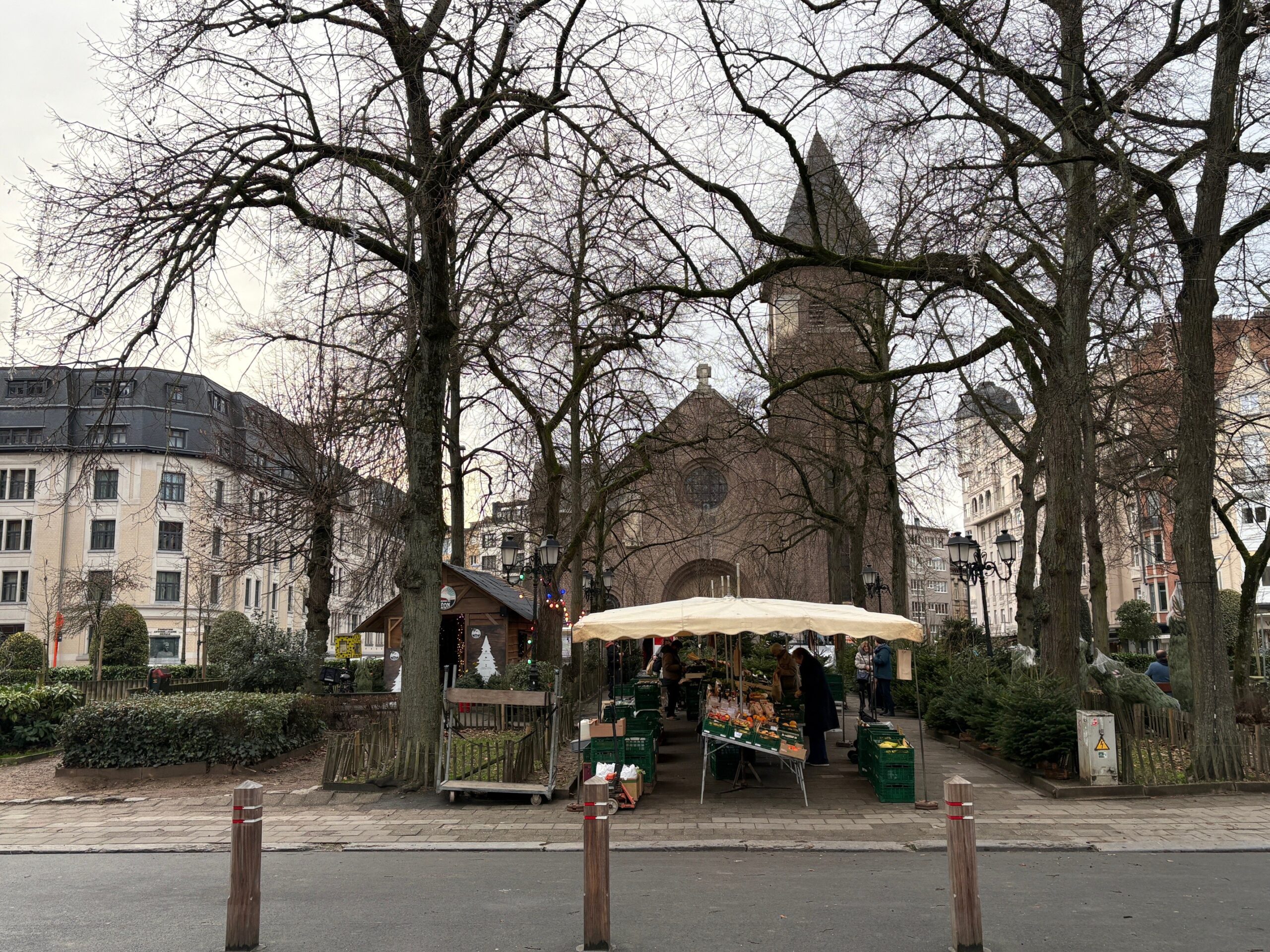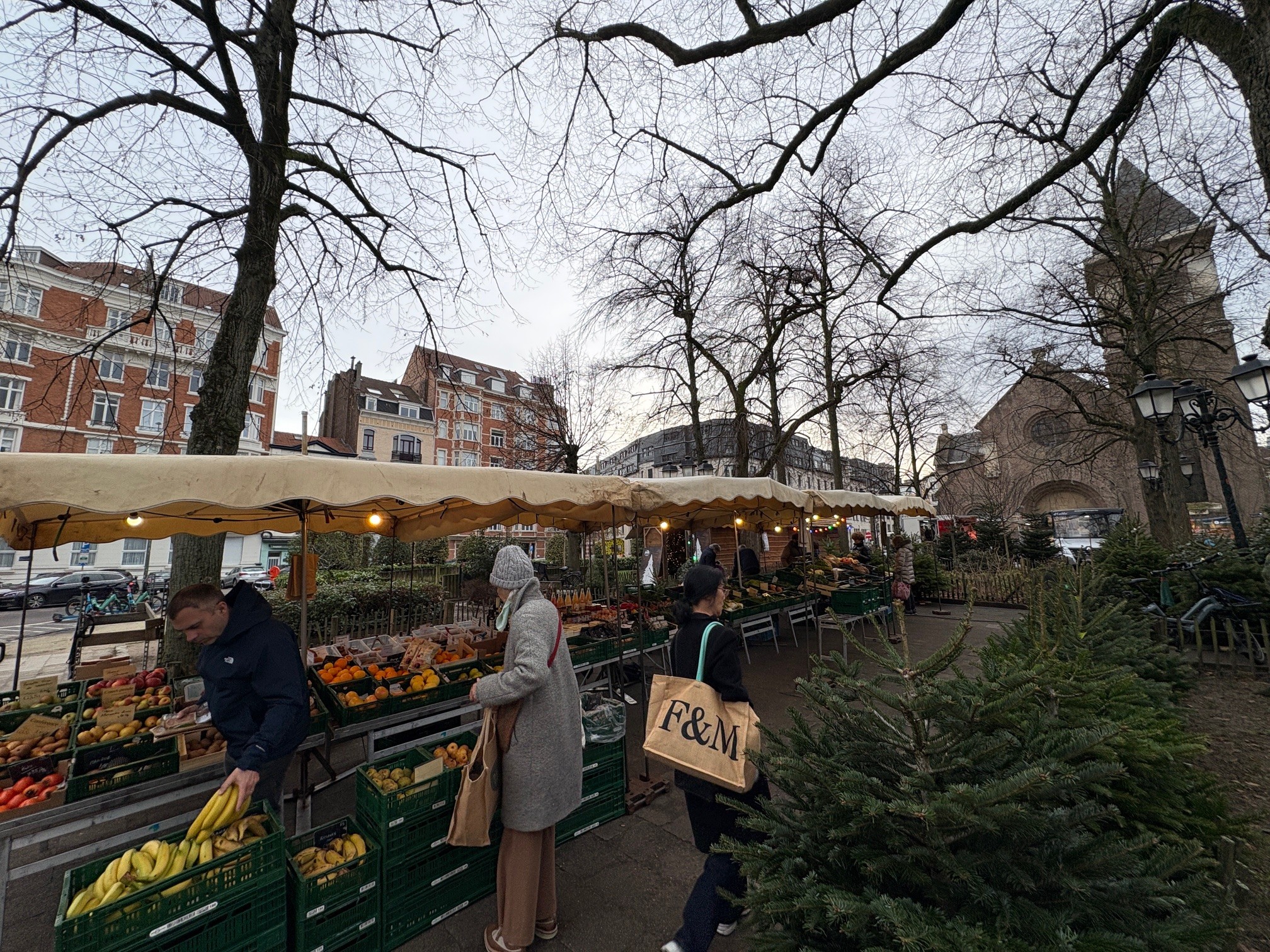


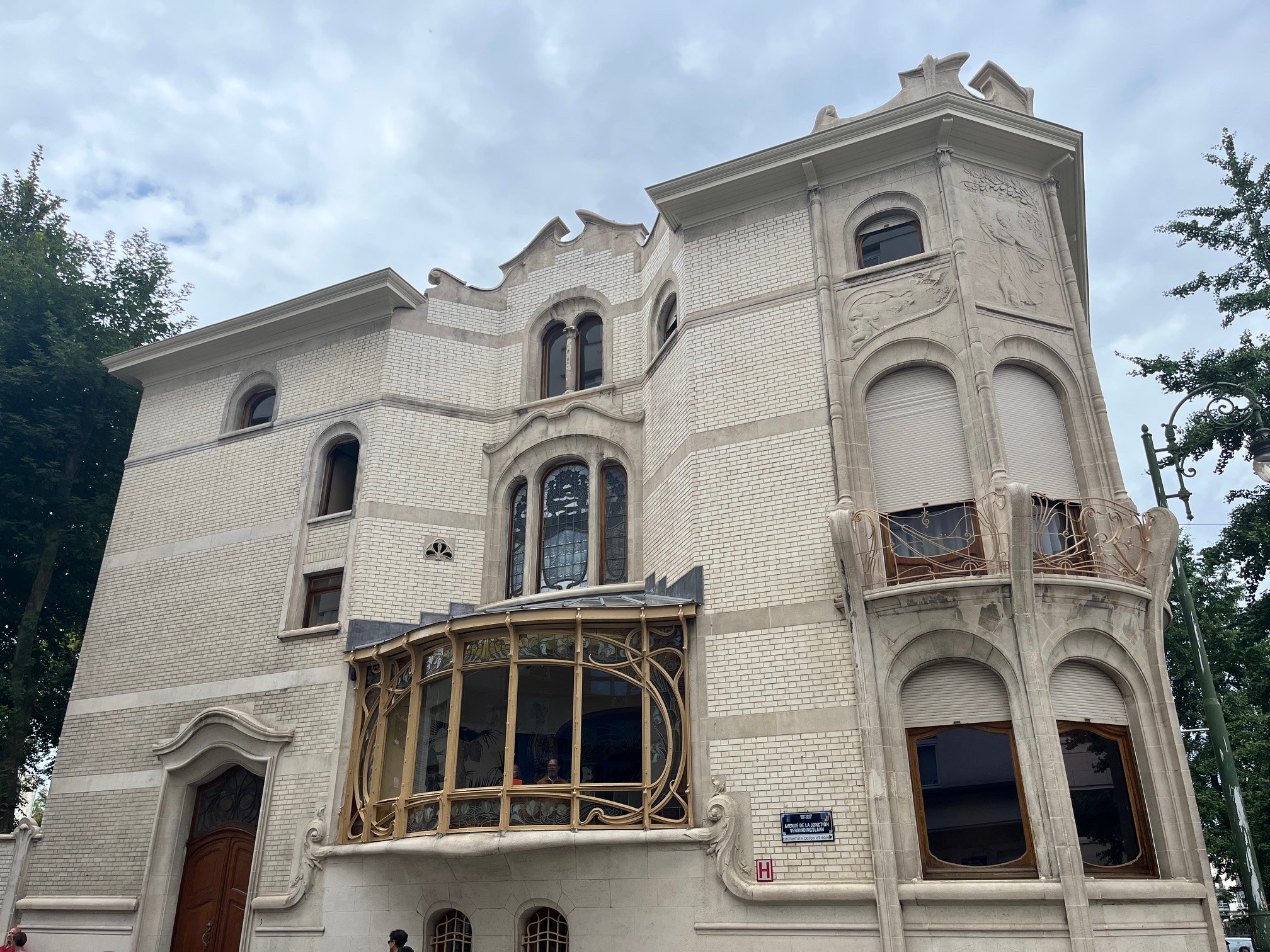
On the display shelf of my favorite bookstore, the title jumped out at me. 33, Place Brugmann. I could see the tram 18 (or 92) that took my cousin, my brother, and me from Collège Saint-Pierre to our grandparents’ apartment every Thursday at noon. The tram followed the long, straight route of Avenue Brugmann, lined with some of the most beautiful Art Nouveau mansions in Brussels. We got off at Rue Darwin and walked the few steps between Avenue Brugmann and the square of the same name.
We had a nearly two-hour lunch break, and our grandparents welcomed us with open arms. Our grandfather would prepare pan-fried trout or oven-roasted quail. Our grandmother insisted on serving us wine. We were between 15 and 18 years old. We would pretend to hesitate before quickly giving in. I remember a few chemistry or geography classes starting at 2 p.m. during which I must have dozed off after coming home from their house. It was also in this first-floor apartment overlooking the square that we celebrated Christmas Eve: a large Christmas tree in the living room, presents, the turkey, the bûches (chocolate pastries in the shape of tree logs), and a joyful and noisy table full of cousins, uncles, and aunts.
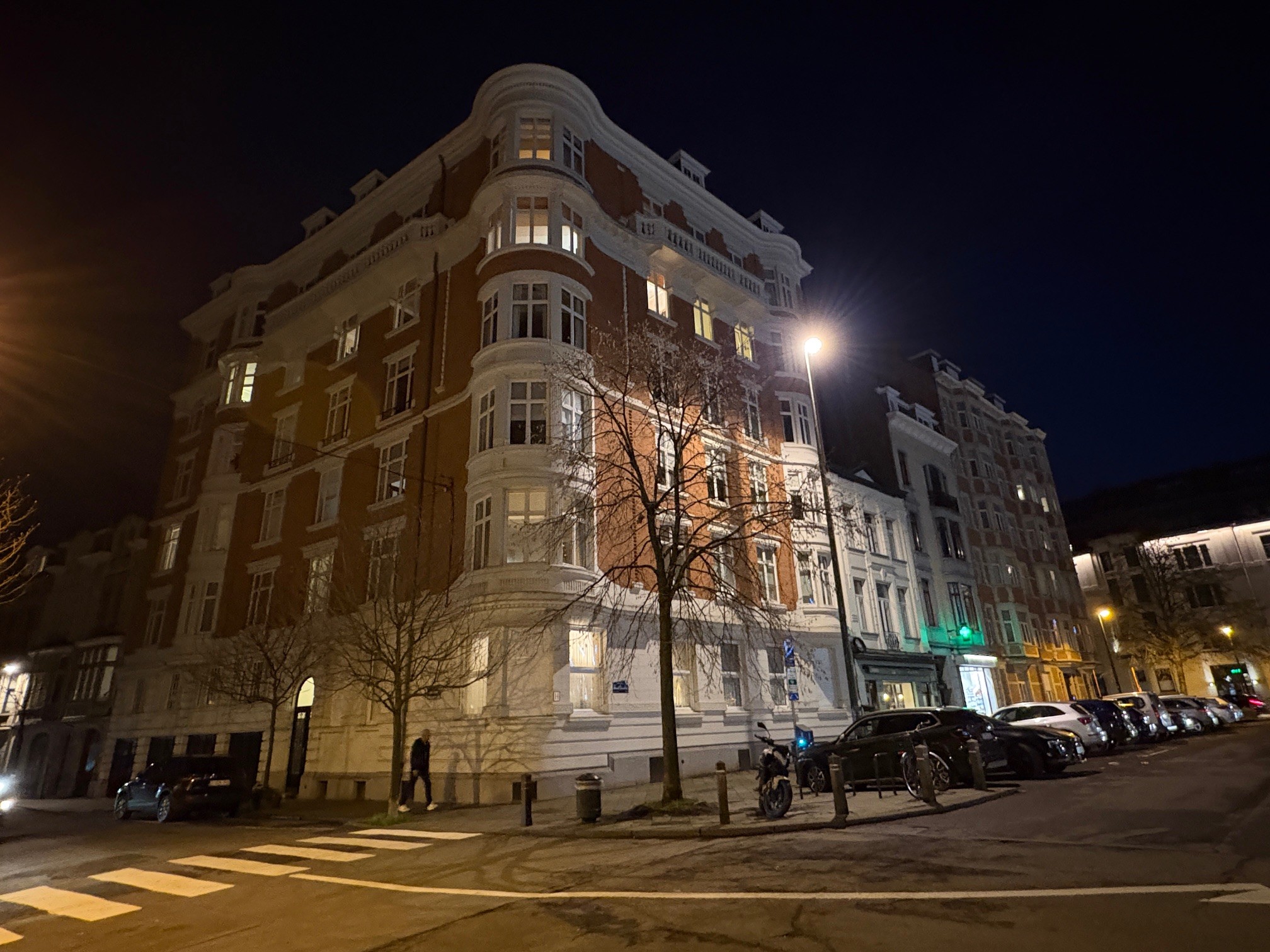
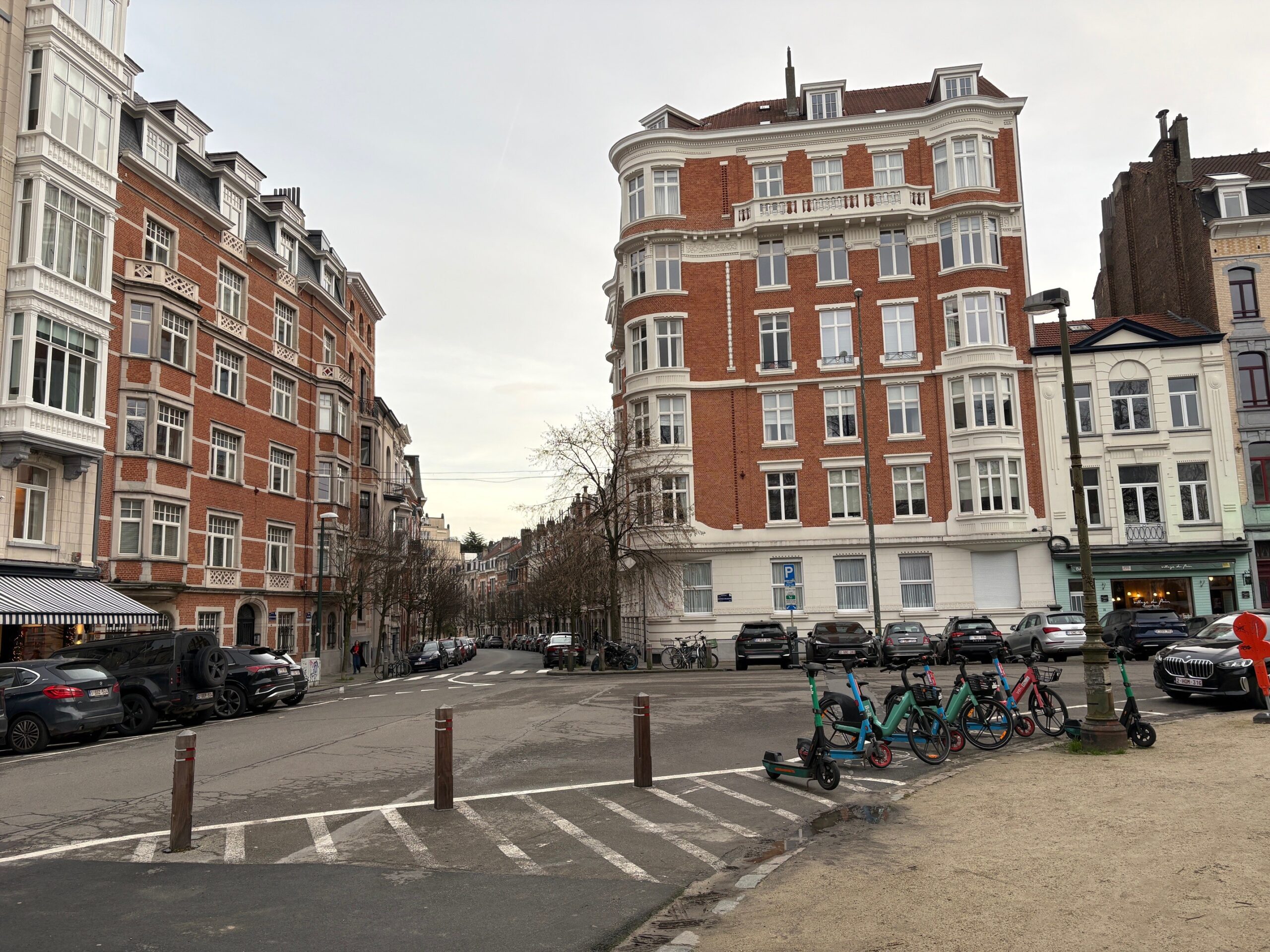
For me, Place Brugmann evokes a happy childhood and adolescence, surrounded by a large family that loved and protected us. The American novelist Alice Austen lived on the same square in Brussels, at number 33, just across from my grandparents’ building. She lived there while representing before the European courts the government of Czech playwright Vaclav Havel, a former dissident who became president. She does not say whether she was happy there. But she was inspired enough to use this address as the title of her first novel.
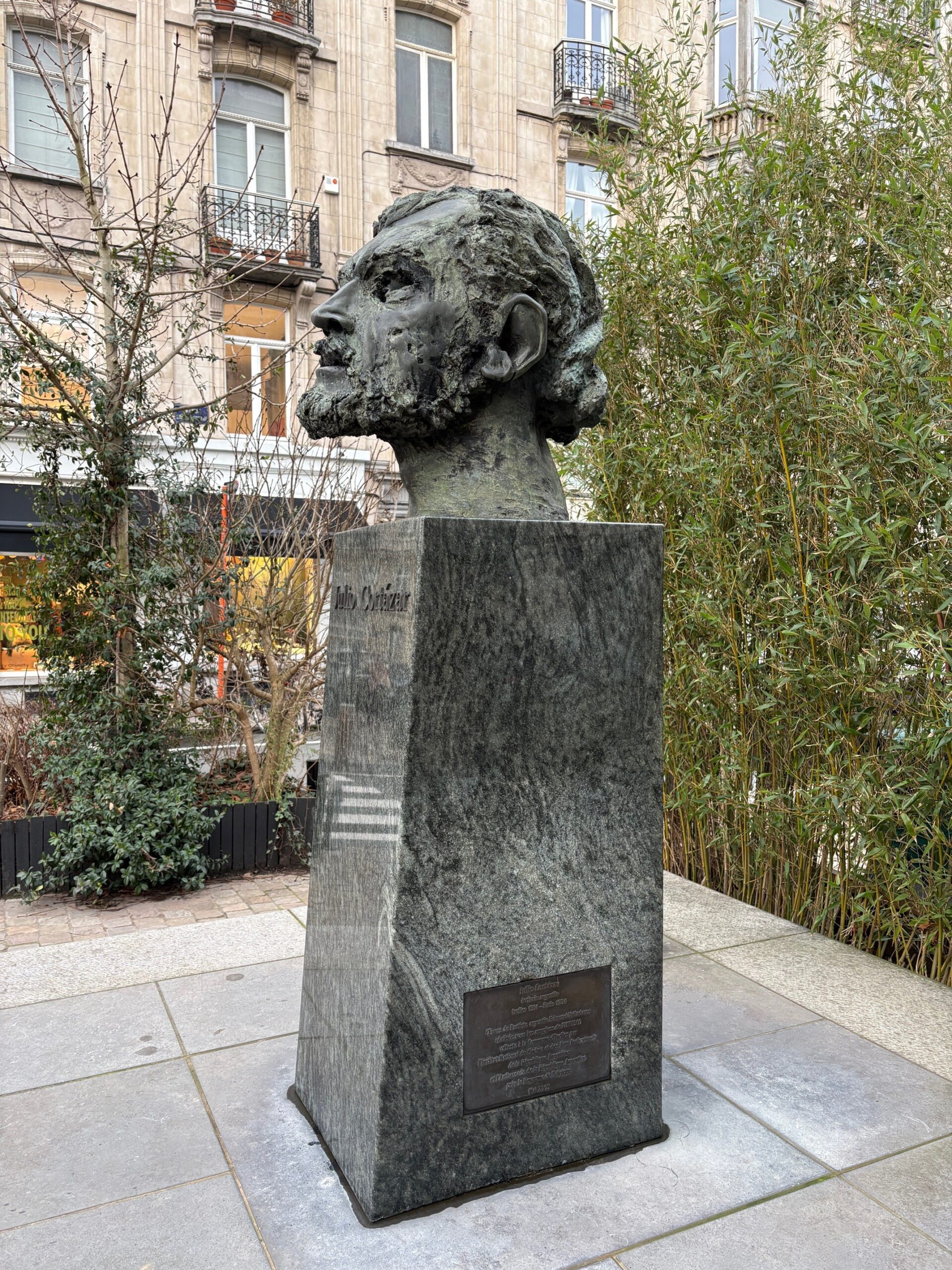
This is not the first time Place Brugmann has appeared in literature’s history. During my recent visit, I was surprised and amused to discover a bust of the Argentine writer Julio Cortázar, which had not been there at the time of my grandparents. The author of “Hopscotch (Rayuela)”, whose parents were Argentine diplomats, was born in Ixelles on August 26, 1914, at 116 Avenue Louis Lepoutre, which is on the corner of the place. It was the first day of the German bombing of Brussels.
But let’s return to Alice Austen’s novel, which takes us to the next war. Her book starts almost like my family history, but more than forty years earlier. The story begins in August 1939 and gives voice to each of the fourteen residents of the building in turn. On the third floor, there is an architect, François Sauvin, and his daughter Charlotte, a student at the Academy of Fine Arts. Across the landing is the Raphael family: Léo, an art dealer, his wife Sophia, and their children Esther and Julian. On the fourth floor, in a maid’s room, lives a Russian refugee. On the second floor is a retired colonel and, opposite him, a former café owner. On the first floor, a lawyer, his wife, and their son Dirk, who plays the saxophone. And on the ground floor, as in my grandparents’ building, the concierge’s lodge and small apartment. Charlotte, Julian, and Dirk played and grew up in the shade of the trees in the square. They know every nook and cranny of their building and, they think, some of its secrets.
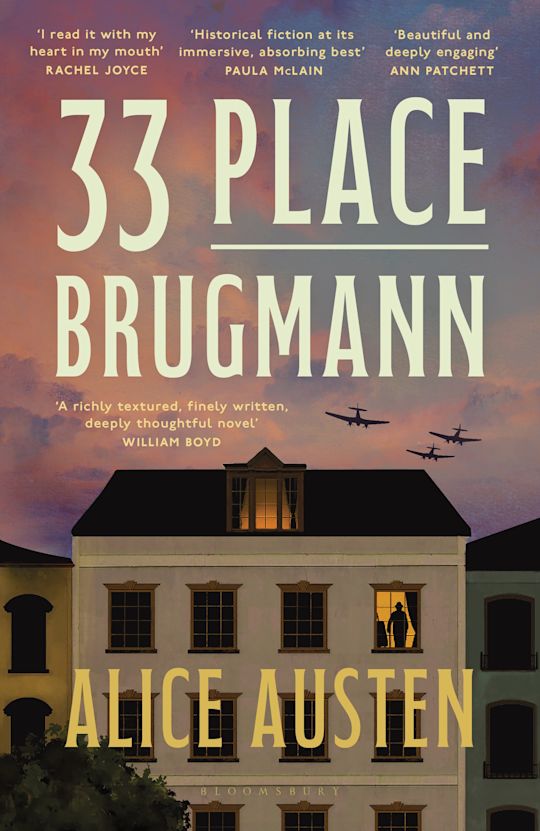
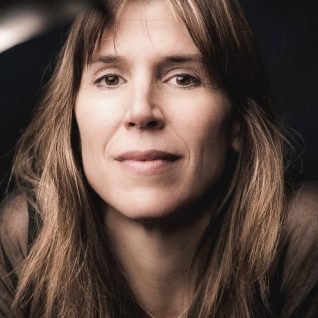
But then May 1940 arrives. The Germans invade Belgium. The Raphaels, a Jewish, but not very religious, family, disappear one fine morning, without warning, to England. They leave their apartment as it is, but the paintings are no longer hanging on the walls.The Occupation takes hold and imposes its rule. Charlotte stands in line at the store with her ration tickets. There is talk of the black market, collaboration, and resistance. But it is no longer easy to know who is on which side and whom to trust in the building.
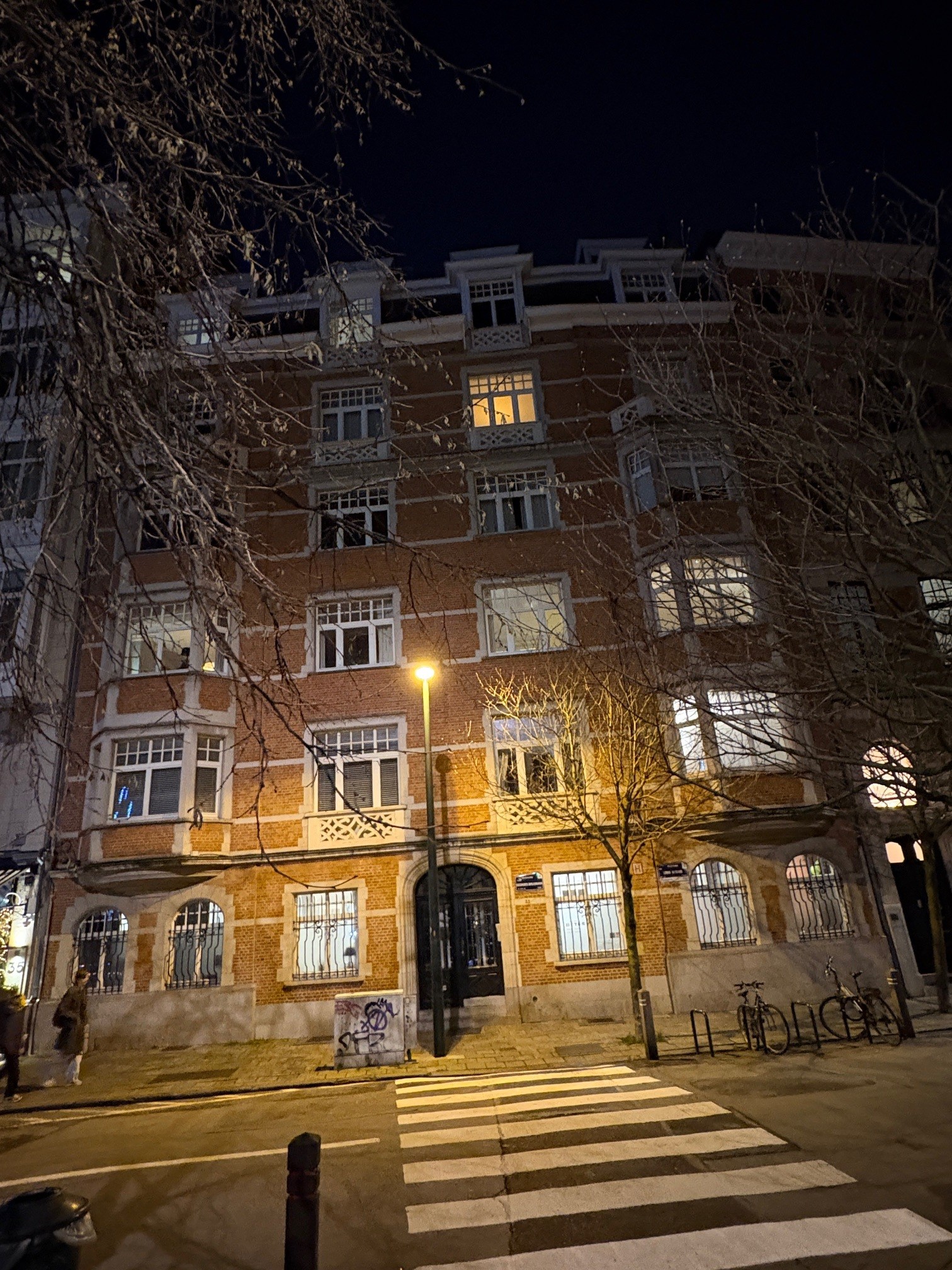
With this first, multi-voiced novel, Alice Austen has created a masterpiece. By multiplying the points of view, she leaves room for doubt and suspicion, but at the same time, she reveals the narrow path on which individual choices often sway between courage and betrayal. As the current political horizon darkens, as it did in 1939, this book serves as a wake-up call, shaking us out of the torpor into which a happy youth may have lulled us.