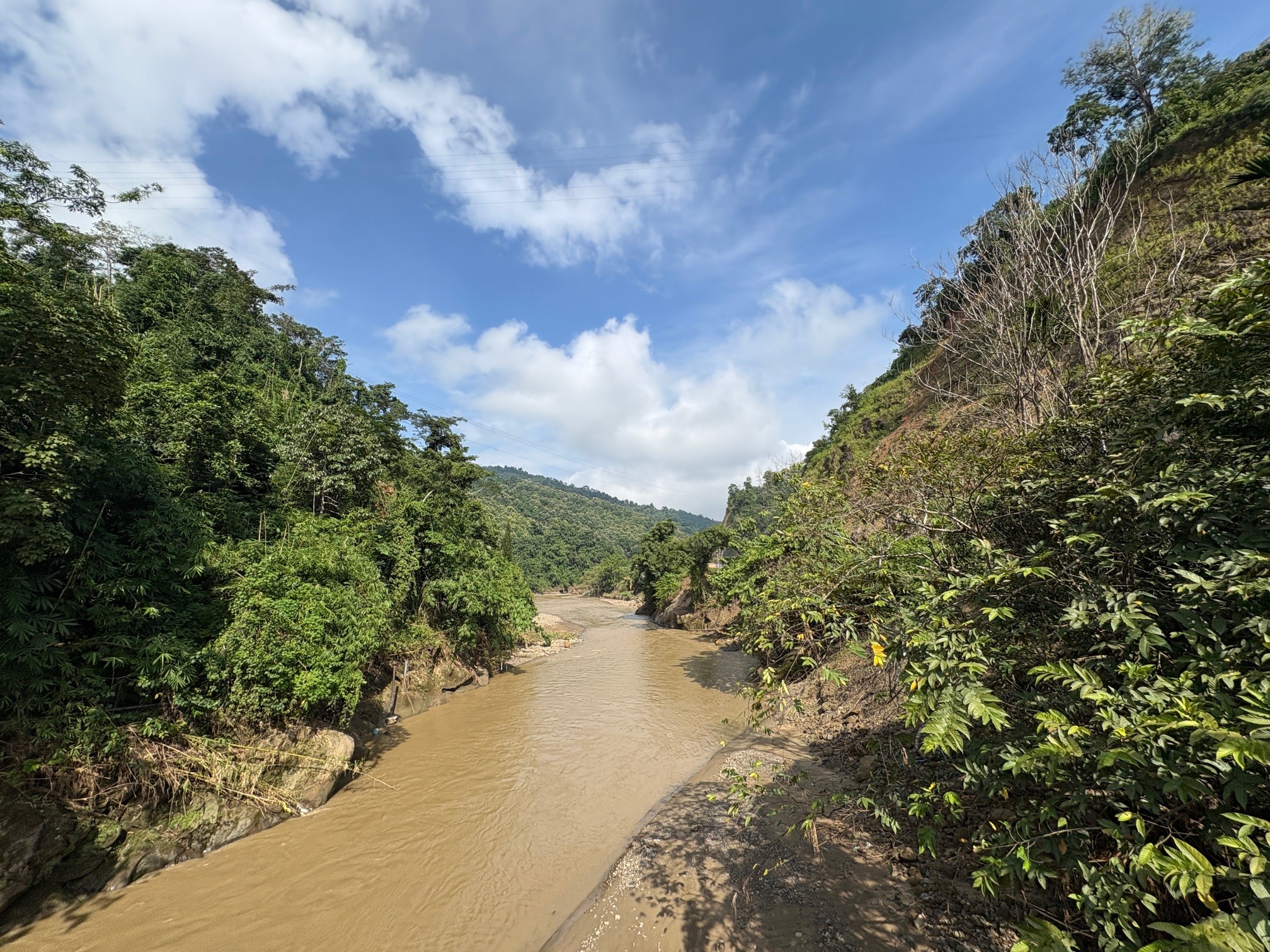

You need a keen eye to find Nagaland on a map of India. It lies in the northeast, in this little-known part of the country across from Bangladesh, close to the Burmese border. The plane that took us to Dimapur from Delhi flew along the Himalayas, offering us, among other things, beautiful views of Everest. Before landing, the snow-capped mountains gave way to greener hills and brown rivers.
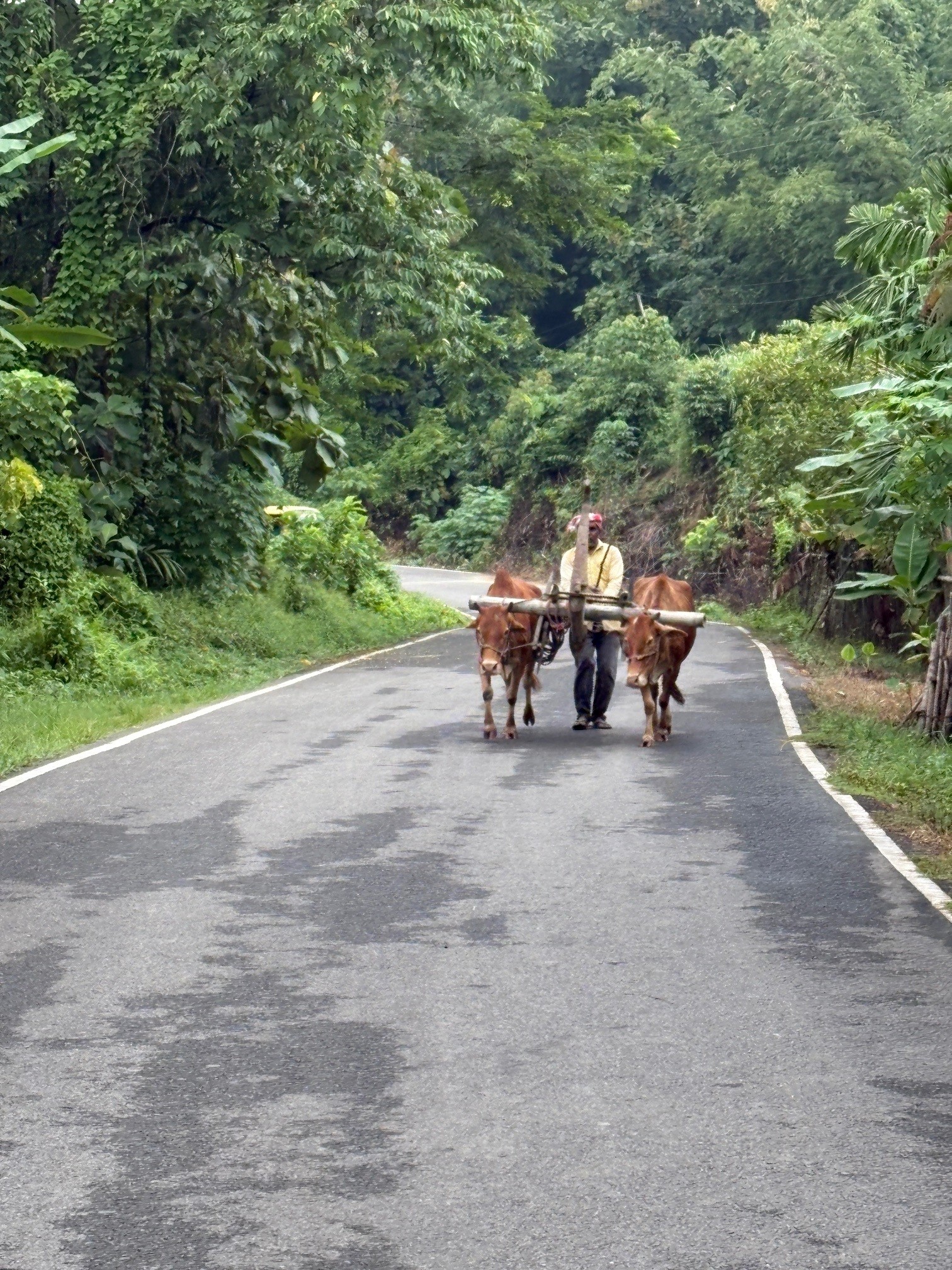
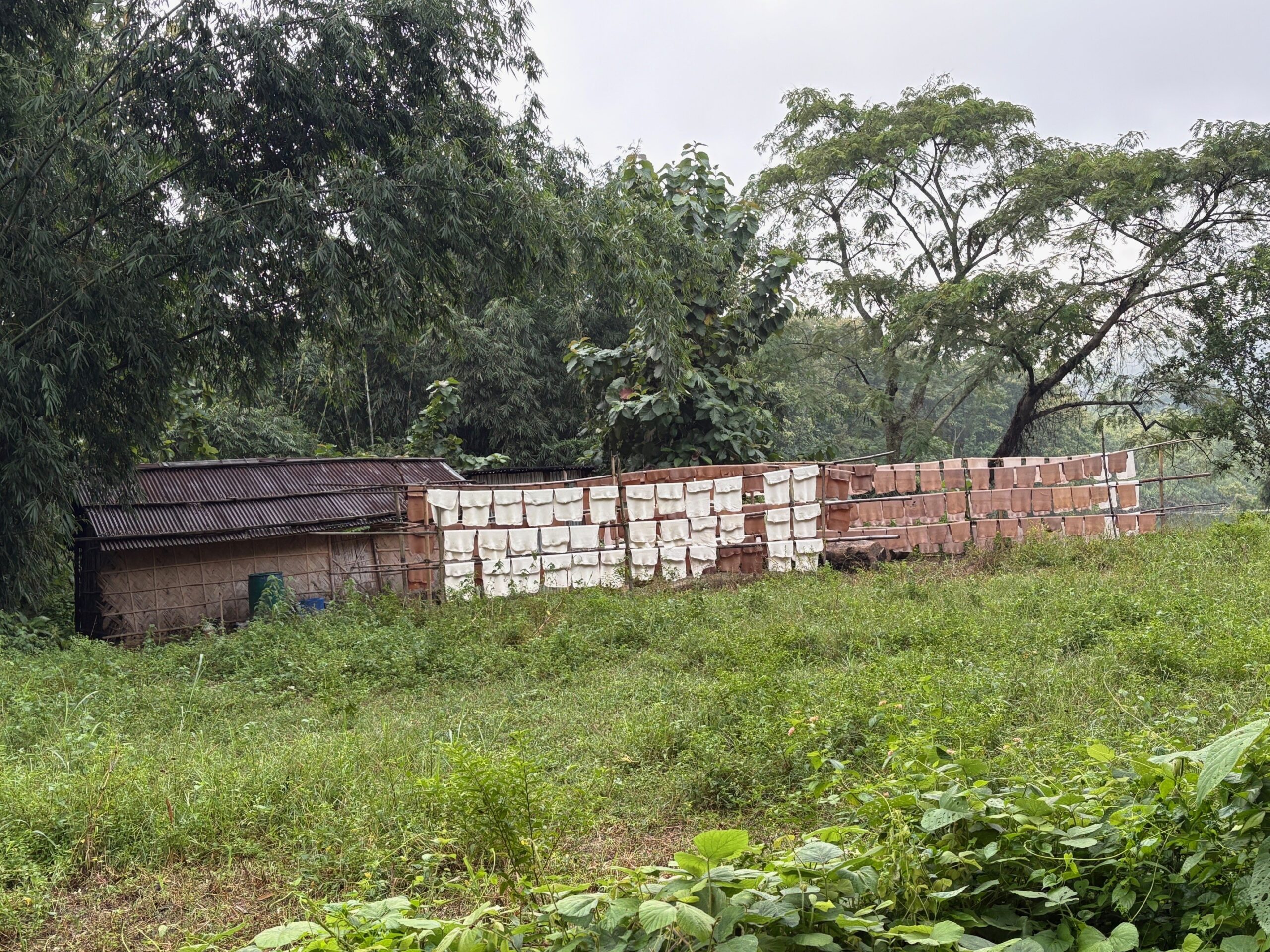
I worked for a few days in Dimapur, in a hotel where I was able to watch Naga wrestling tournaments and traditional dance performances, but apart from a walk in a nearby village and a visit to a weaving workshop, I didn’t have much opportunity to explore and learn more about the country and culture of the Nagas.
But literature came to my rescue. The reception desk at my hotel, as well as the excellent bookstore “The White Owl”, just a few steps away, offered an abundant and tempting selection of novels and short stories written by Naga writers. Easterine Kire, whose works have received numerous awards, is undoubtedly the most famous. I packed three of her books in my suitcase, which I read with great pleasure.
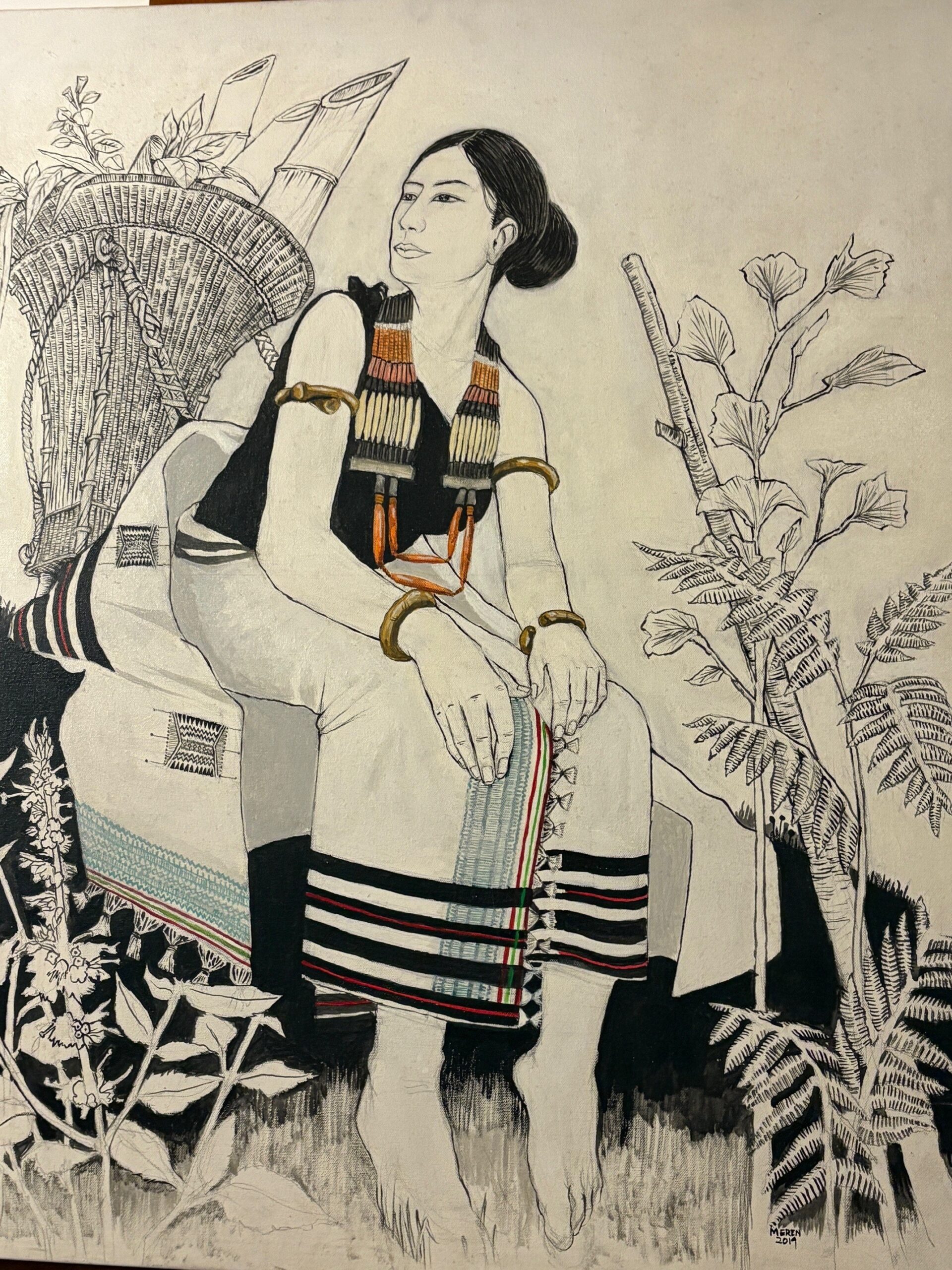
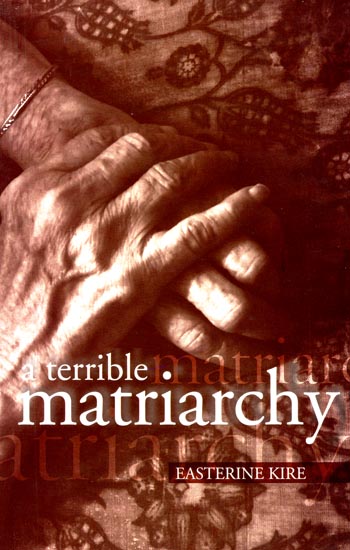
“A Terrible Matriarchy” is the story of Lieno, a girl who grows up with her grandmother, not because she no longer has parents, but because her grandmother needs someone to look after her at home. Her grandmother is strict and mean to Lieno, while treating her four brothers with generosity. Against the advice of her grandmother, who insists that educated girls make poor wives, Lieno convinces her parents to let her go to school, where she excels, and forges a path in life beyond the horizon that tradition would have limited her to. Despite its somewhat frightening title, this is a partly autobiographical novel, full of emotion and finesse, in which Easterine Kire showcases her talent as a storyteller. Through the story of Lieno and her family, she also sketches out the history of Nagaland, with the Japanese invasion during World War II, the British colonial era, followed by the movements for Naga independence that were suppressed by the new Indian state.

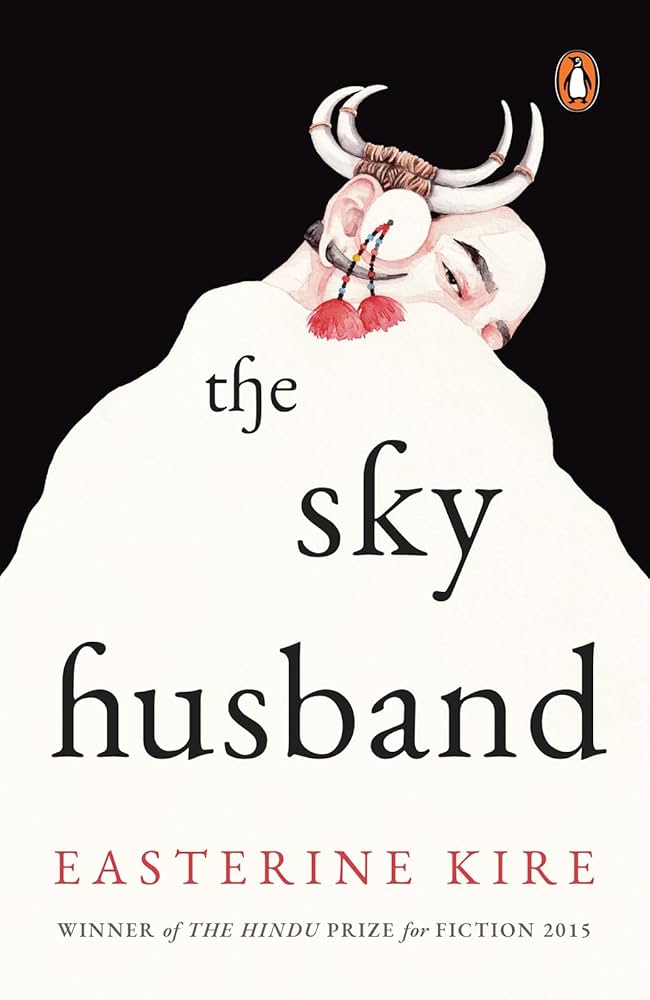
“The Sky Husband”, Easterine Kire’s most recent publication, is a collection of short stories. It contains eight love stories, some using magical realism, such as the one that gives the book its title, others rooted in the history of Nagaland, such as the one between a young Naga girl and a Japanese lieutenant (Cherry Blossoms in April) or the one about two young people who join the Naga resistance movement (The Tracker).
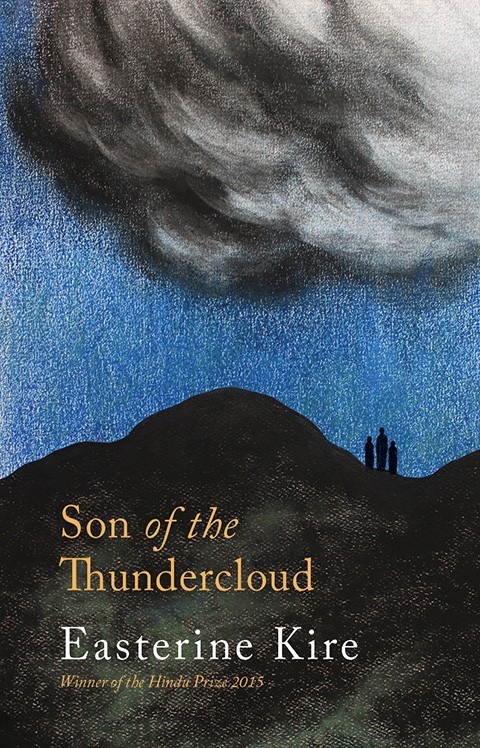
In “Son of the Thundercloud”, Kire leaves the shores of realism behind to take the reader on a journey through a tale that brings together the traditional myths of the Nagas, a people who live in harmony with nature, enjoying its abundance (the rain that comes after the drought) and facing its dangers (the tiger).
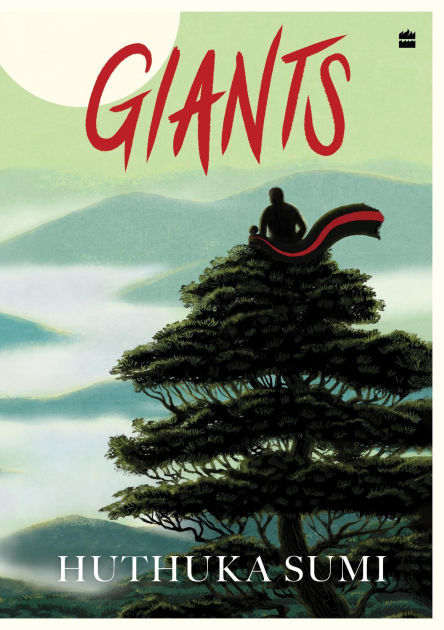
Thanks to “Giants”, Huthukha Sumi allowed me to complete my discovery of Naga literature. It is a beautiful coming-of-age novel in which Kato, a young boy, meets a good giant, Kene, who comes to fetch him on certain nights to roam the hills of Nagaland. Kato is amazed, but during the day, he must continue his life in his village with his parents and his friend, Apu. Until a plane crashes in his parents’ field and Japanese soldiers come to dictate their law to the village chiefs.