




In this blog I have often talked about film adaptations of novels I’ve read. Most of the time, but not always, I read the book first before seeing the film. But for “The Shawshank Redemption”, I first saw this 1994 film starring Tim Robbins and Morgan Freeman. It was a commercial flop on its release but has since become a cult film.
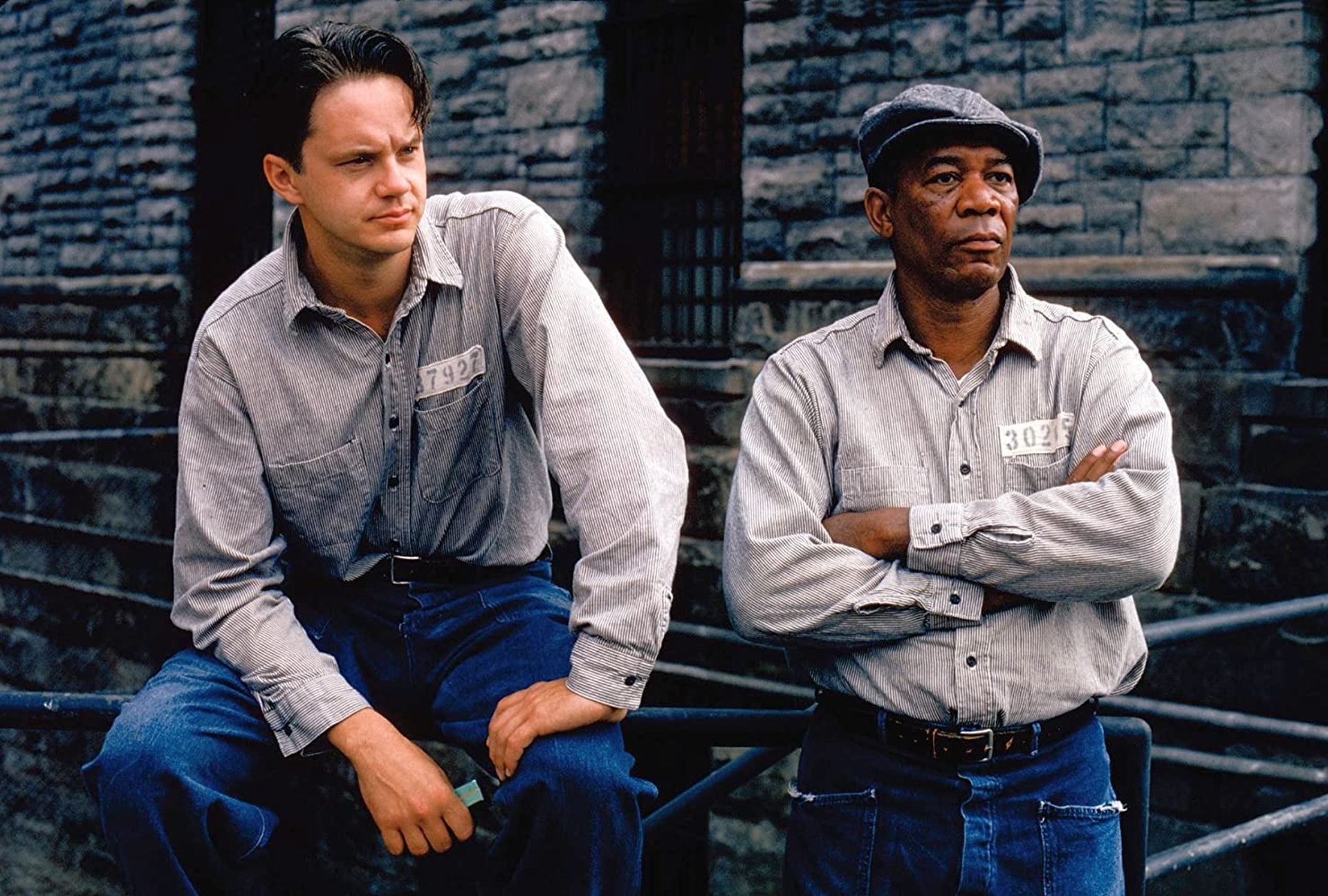
I remembered that it was adapted from a short novel by Stephen King. A few weeks ago, I spotted that a theatrical adaptation was playing at the NextStop Theater, near our home in Virginia. I took my wife and two of my children. We had an excellent evening, gripped by the dramatic tension of the story and amused by the complicity that develops between Andy Dufresne and Red, the main characters, both inmates of Shawshank Penitentiary in Maine.

To complete the transition from film to theater to book, I’ve just finished reading this novella, whose full title is “Rita Hayworth and the Shawshank Redemption”. As always with Stephen King, the story is very well constructed. Not only does the plot keep us on the edge of our seats, but we also discover with interest the rather frightening world of an American penitentiary in the 50s and 60s.
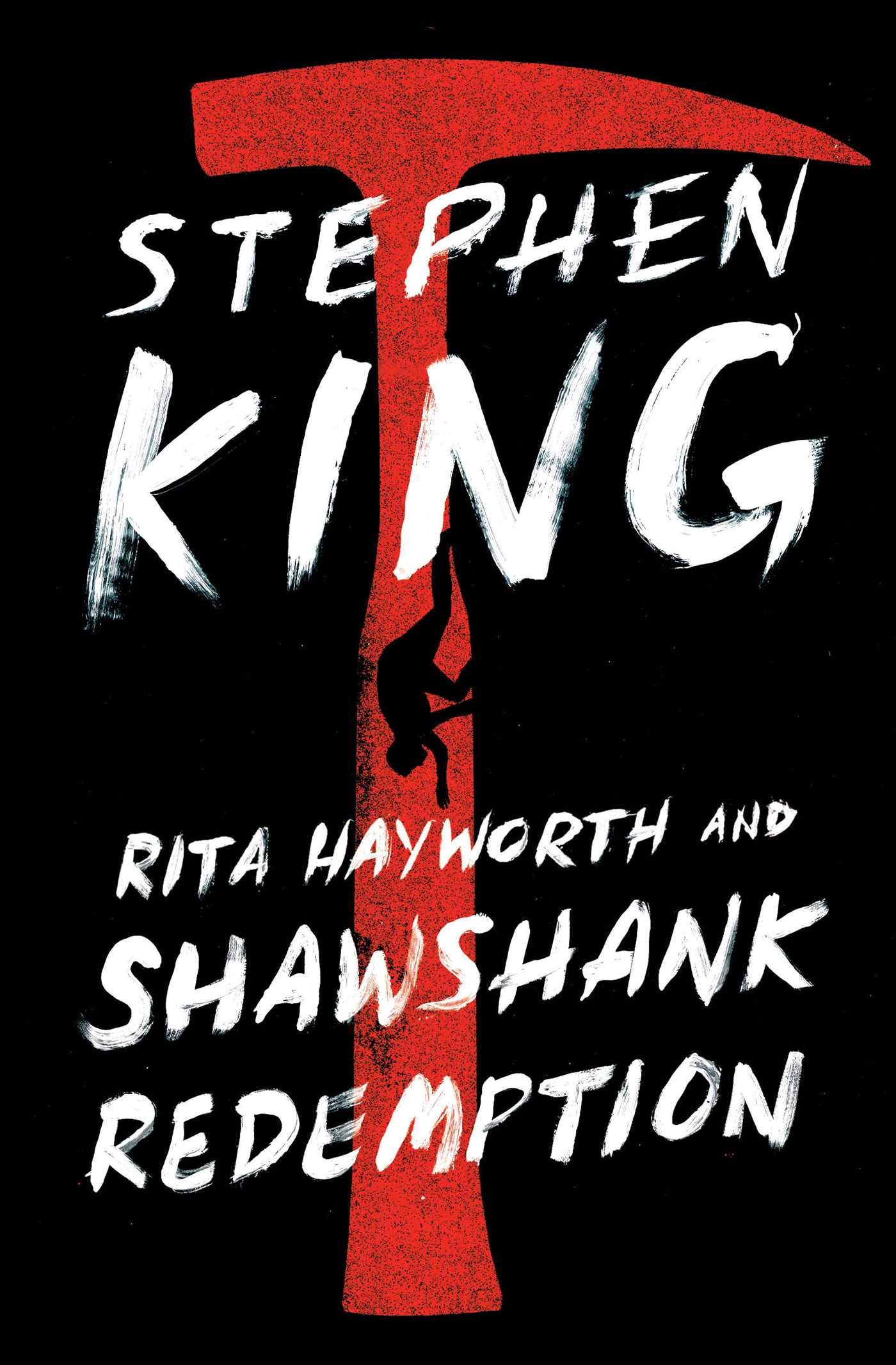
Andy Dufresne, a brilliant young banker, ends up there in 1949 after being sentenced to life imprisonment for killing his wife and her lover. The evidence seems overwhelming, but at the trial he unsuccessfully maintains his innocence. Andy seems to be easy prey for the kingpins who lay down the law and sow terror in prison. He can’t escape violence, even rape. He gradually befriends Red, another inmate, who is the one everyone goes through to get something from the outside world: cigarettes, booze and so on. For example, Andy obtains a Rita Hayworth pin-up poster from Red.

Gradually, thanks to his intelligence and tenacity, he makes his way around the prison. He goes from working near the washing machines to working as a librarian. He earns the respect and then the trust of the guards, and even of the warden, whose tax returns he fills out thanks to his background as a banker. In the process, he discovers the corruption that plagues the prison administration. However, throughout this slow climb out of hell, Andy stays the course: he wants to prove his innocence and dreams of regaining his freedom.
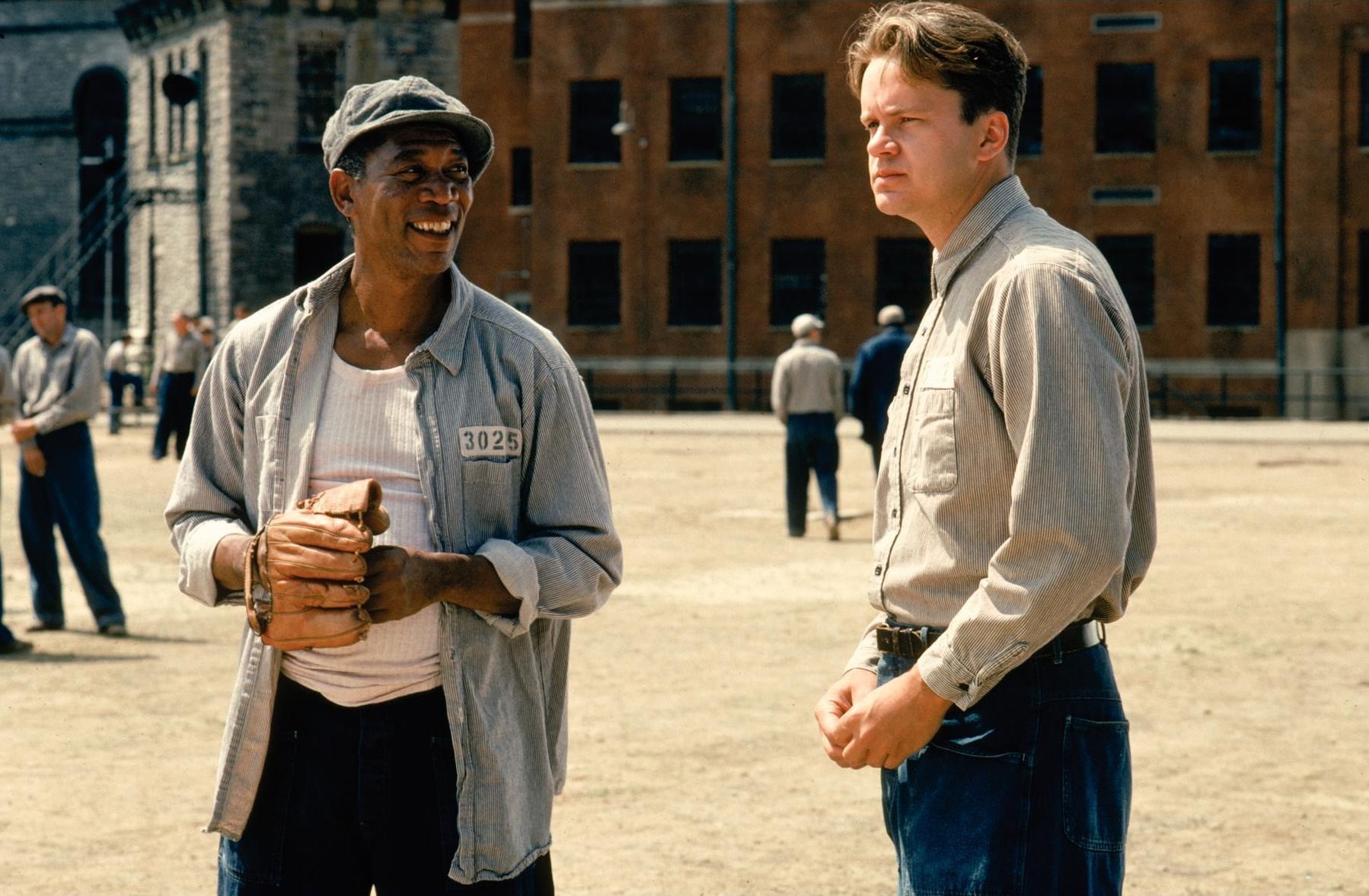
This story, told by Dufresne’s friend Red with a sense of humor, in the crude, yet tasty jargon of prison life, is also one in which goodness and intelligence triumph over evil and stupidity. This is undoubtedly what has made and maintained its popularity, in the cinema, as a novel, and now in the theater.