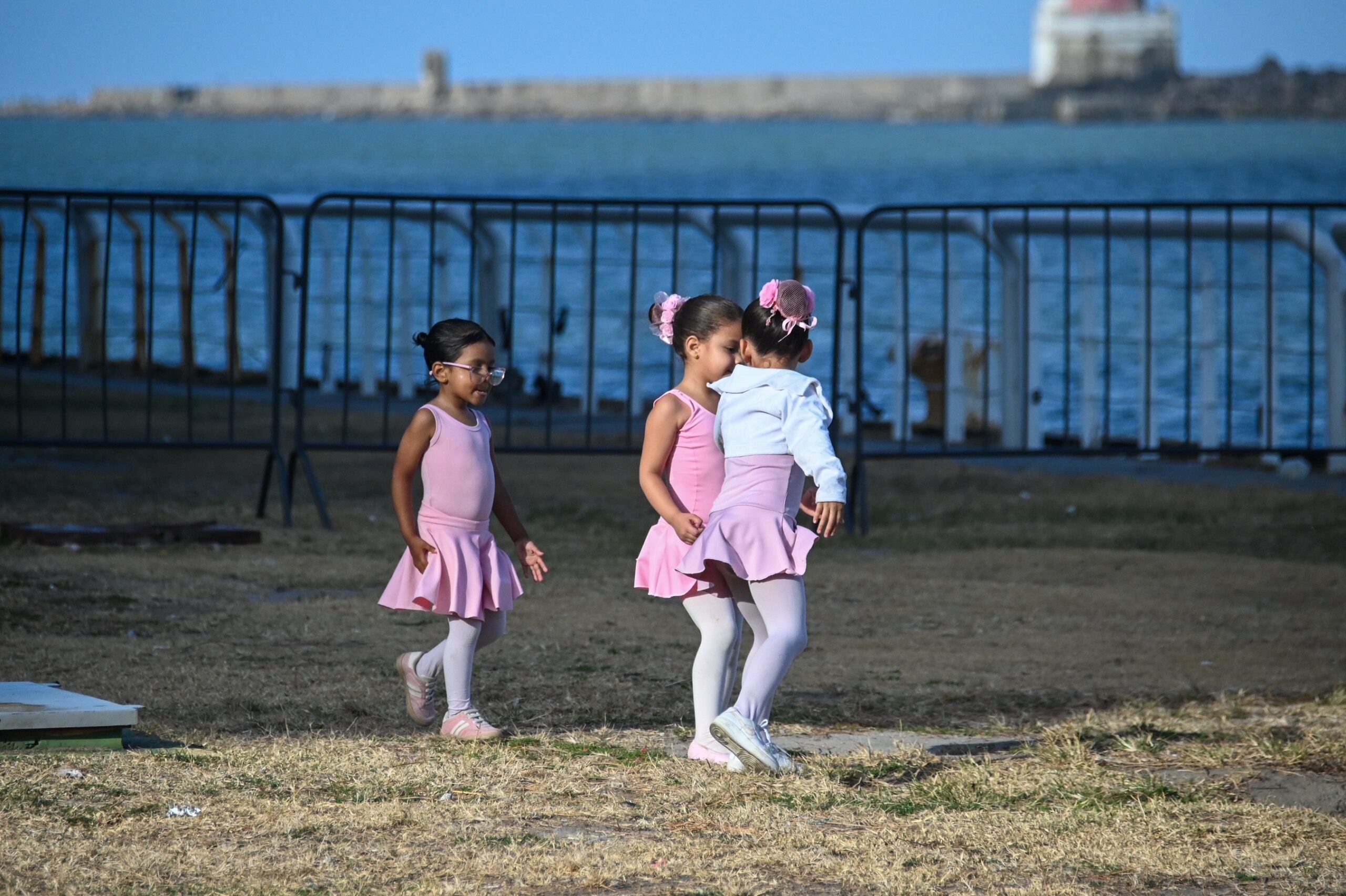
When planning my trip to Cyprus in December, I was hoping to escape the gray skies of late fall and enjoy some Mediterranean sunshine before winter sets in. I was disappointed: it rained most of the time I was there. Visitors were unhappy, but the island’s inhabitants told us that it was about time and that the showers were welcome after such a dry year in 2025. It was while driving through the Tróodos Mountains in search of the region’s beautiful painted churches that I realized the effects of this drought. Through my car’s windshield wipers, which struggled to clear the pouring rain, I scanned entire mountain slopes charred after the fires of July 2025, among the worst the island had ever faced. As I drove around the bends, I saw vineyards where only a few burnt stumps remained, and then the remains of forests, where black pine trunks rose helplessly toward the sky.
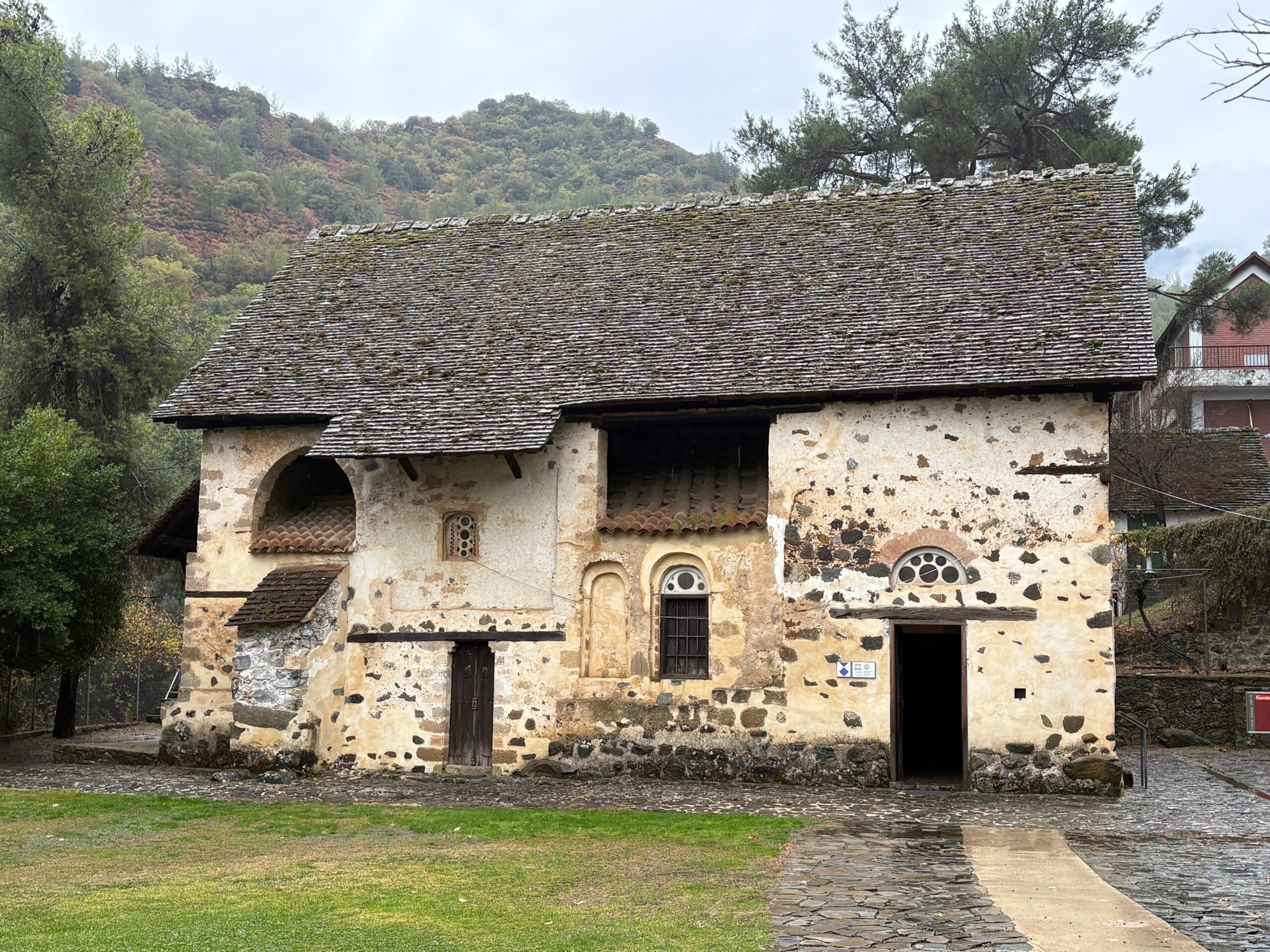
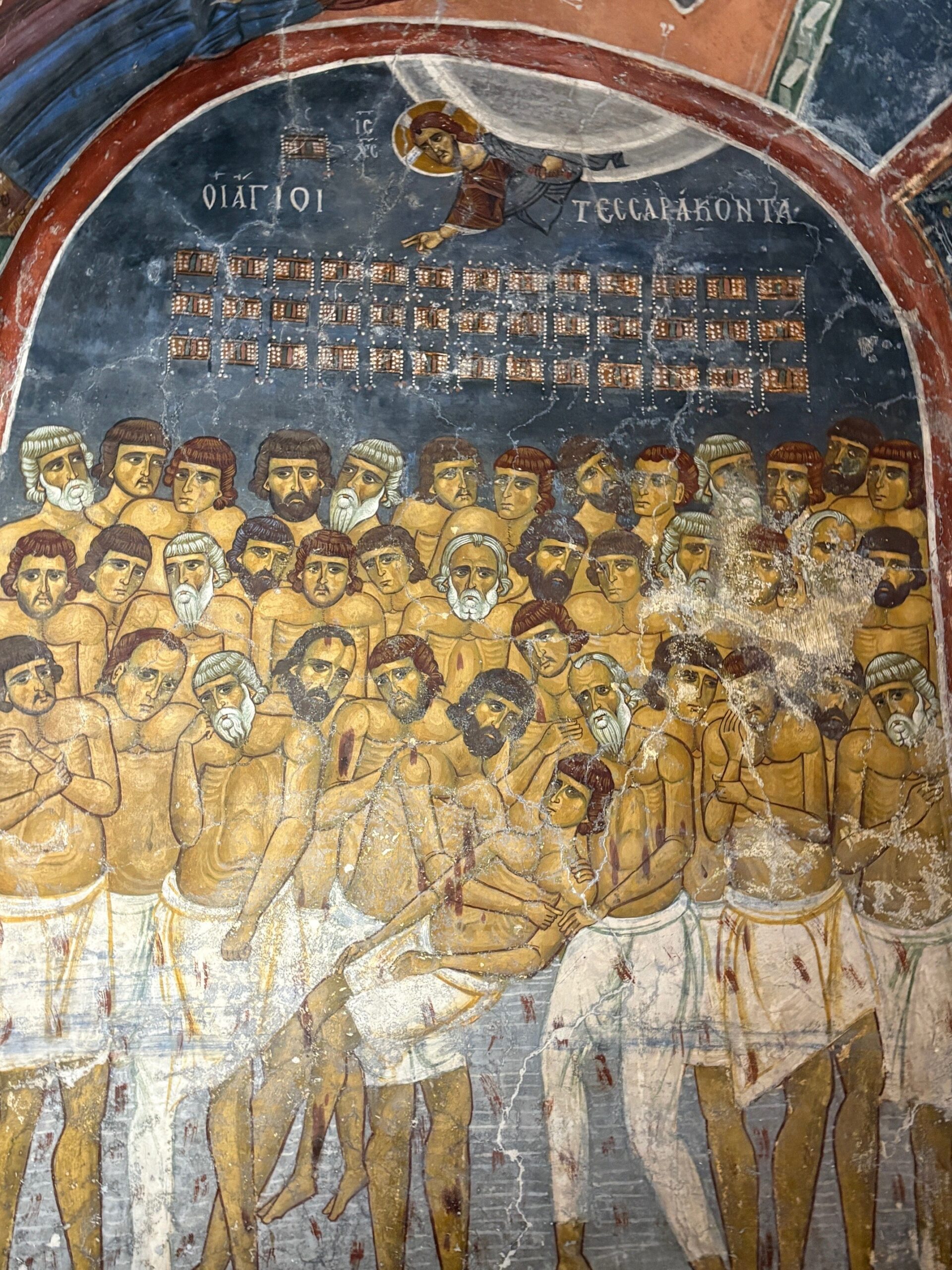
I remembered this desolate sight – quickly offset that day by discovering the frescoes inside the Church of St. Nicholas – when reading “The Island of Missing Trees”, the superb book that Turkish-British novelist Elif Shafak has devoted to Cyprus and its fractured destiny.
Church of Saint Nicholas on the Roof – Tróodos Mountains
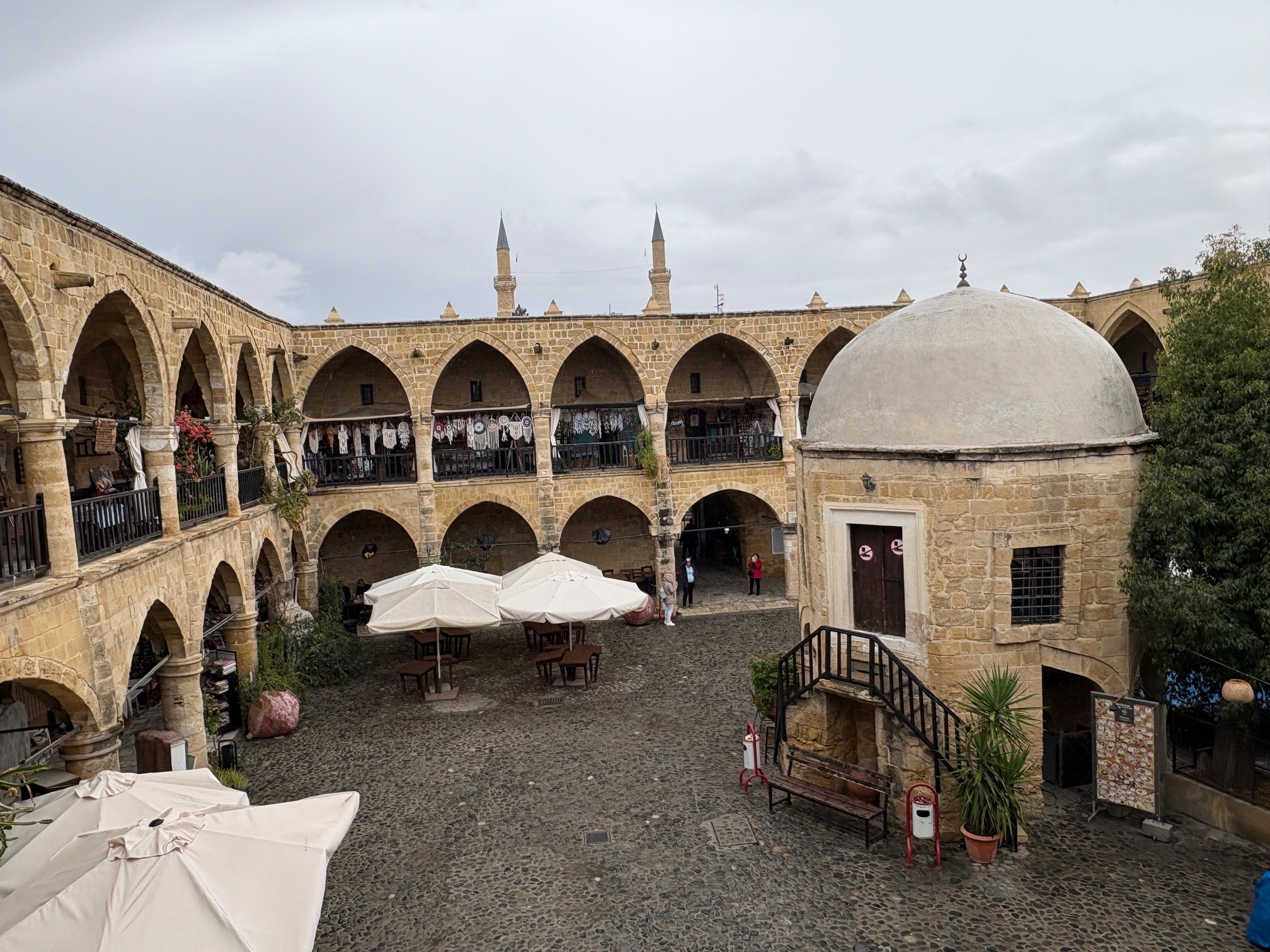
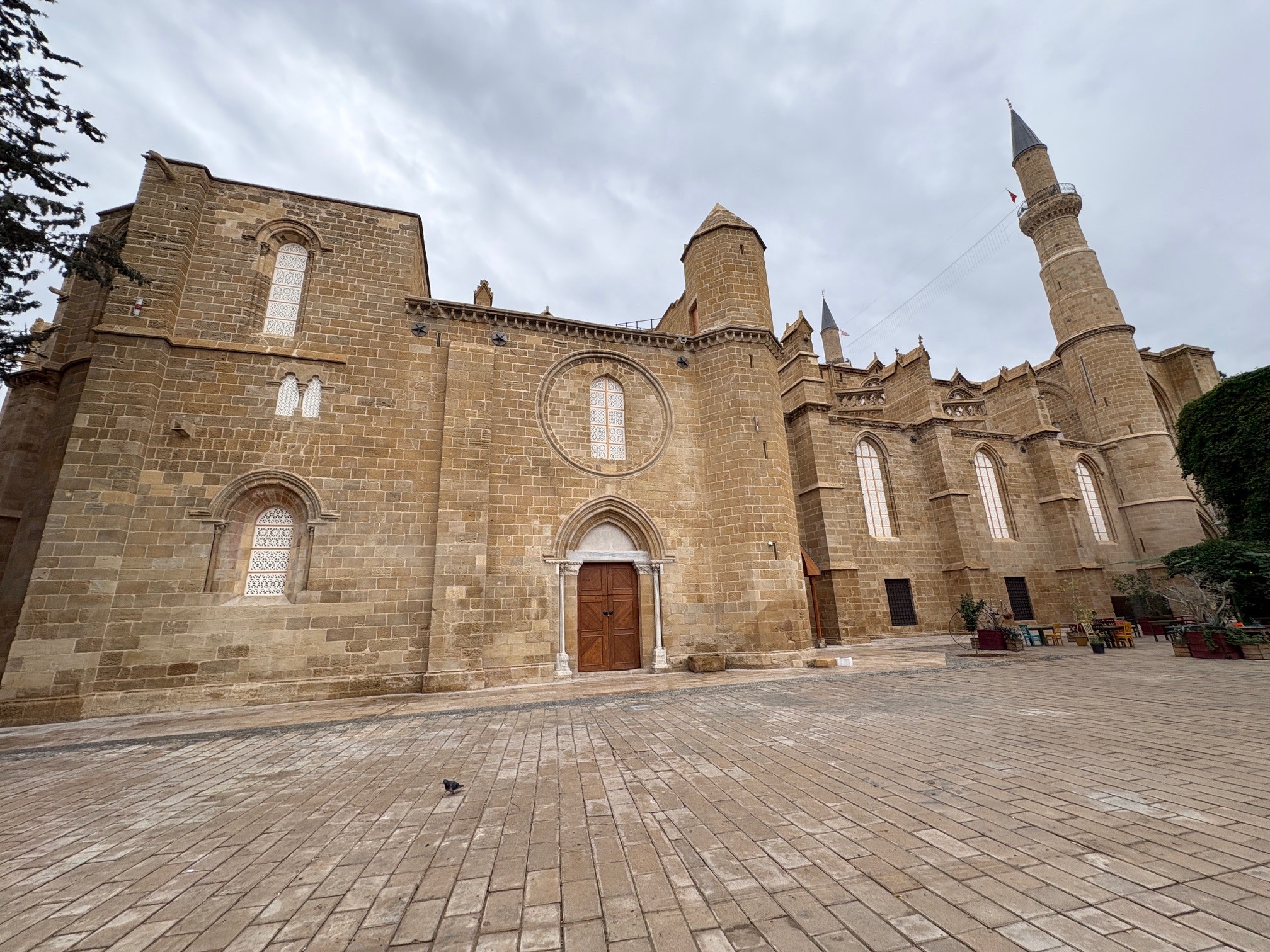
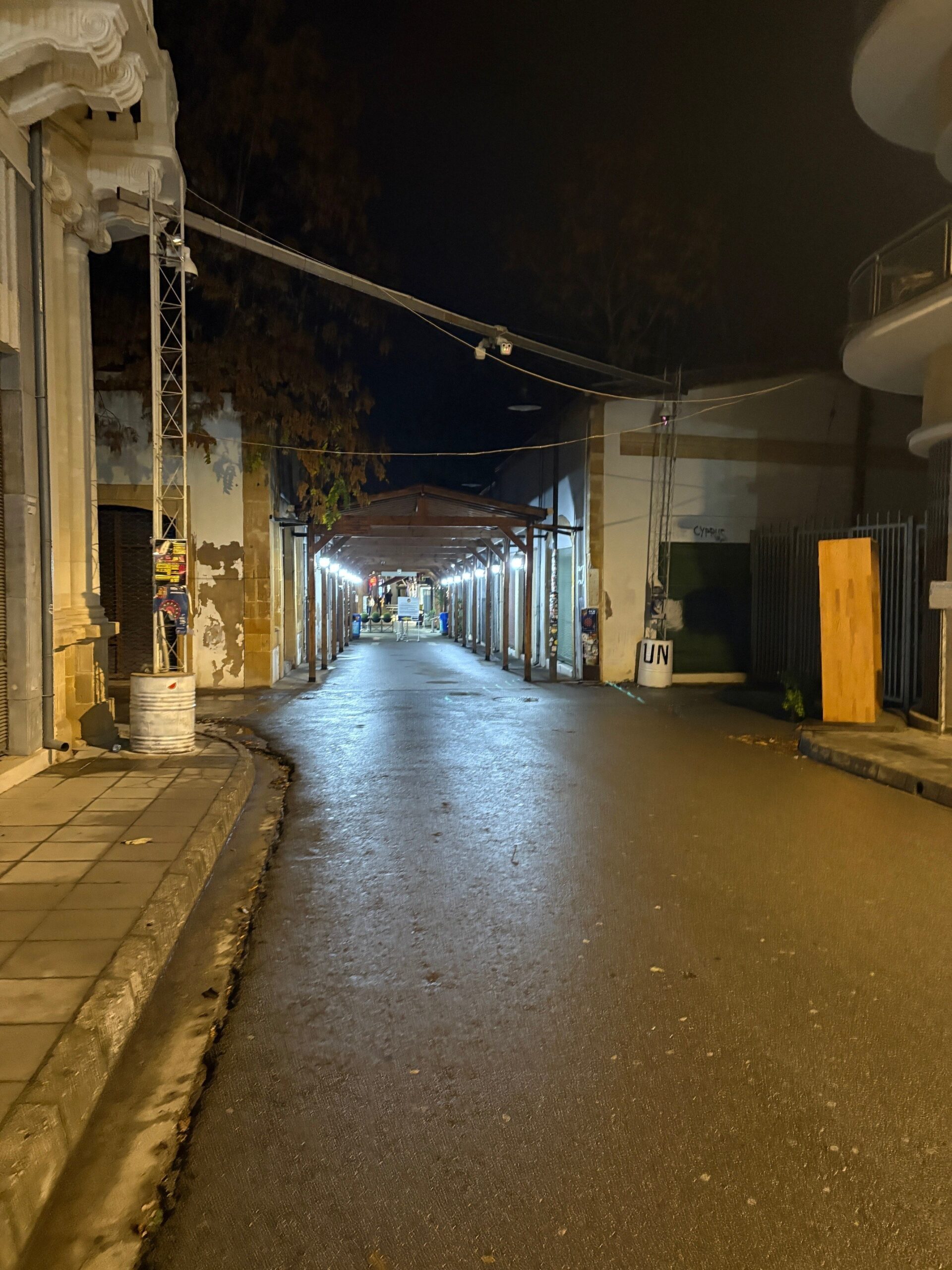
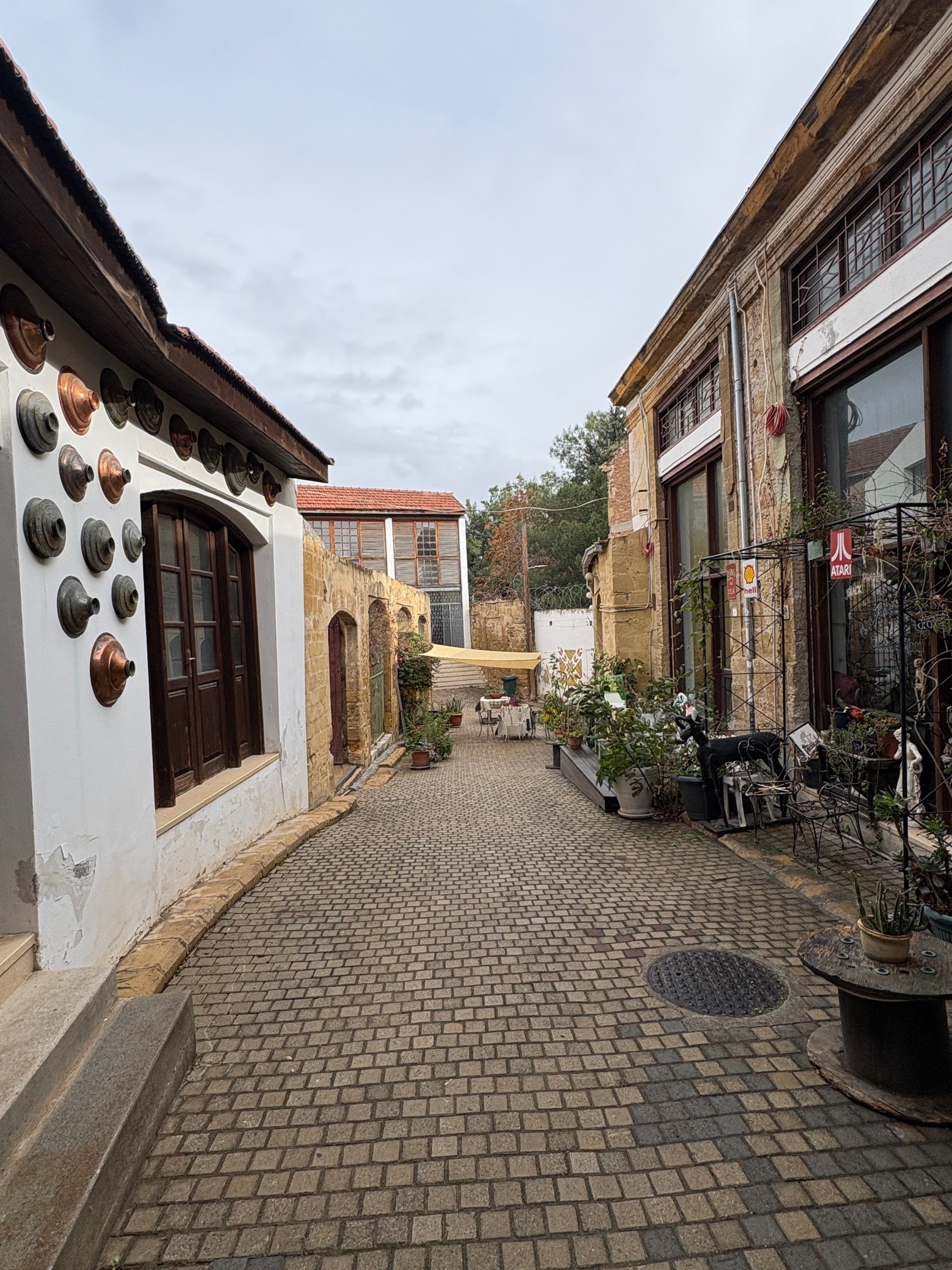
Nicosia is indeed the last divided capital in Europe. Today, crossing the demarcation line between the Greek and Turkish Cypriot neighborhoods is easy. I’ve done it several times. All you have to do is show your ID at the immigration police counters on either side of a dark tunnel. In a matter of minutes and a few dozen meters, you change language, currency, cuisine, atmosphere, and of course religion. These contrasts are curious, almost amusing, but they are the result of a dramatic conflict, fairly recent, not yet over, and about which I knew very little.
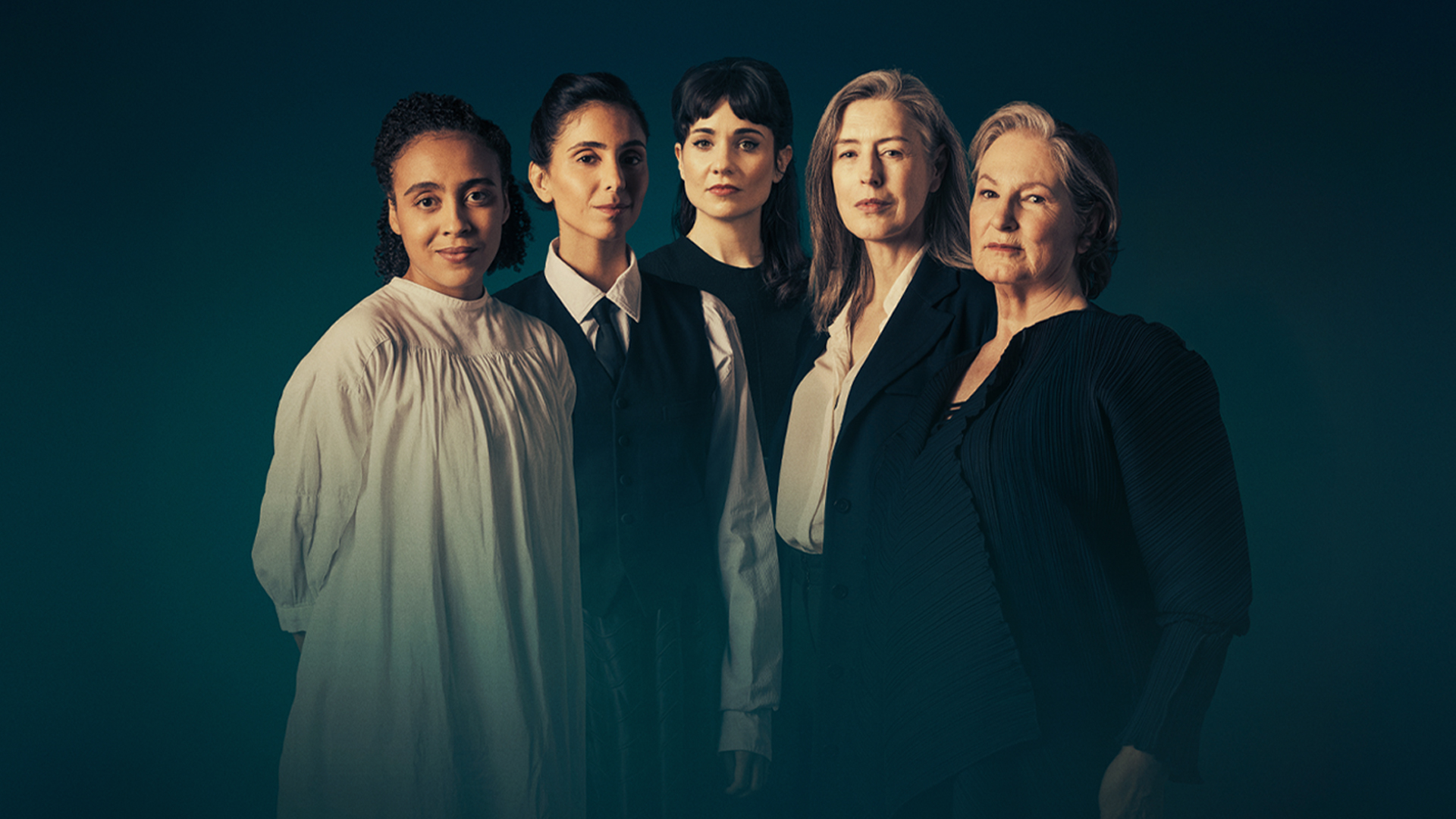
“The Island of Lost Trees” allowed me to delve into the heart of this painful story thanks to Kostas and Defne, a young Greek man and a young Turkish woman who live in the same neighborhood and, as you may have guessed, fall in love in the early 1970s, as tensions rise between their communities. But, and this is Elif Shafak‘s tour de force, the novel is much more than a remake of Romeo and Juliet. Part of the novel takes place in Cyprus before and during the conflict and Turkish occupation of the northeast of the island and the capital. Kostas and Defne meet, unbeknownst to their families, in a noisy and cheerful tavern with a fig tree growing in the middle.
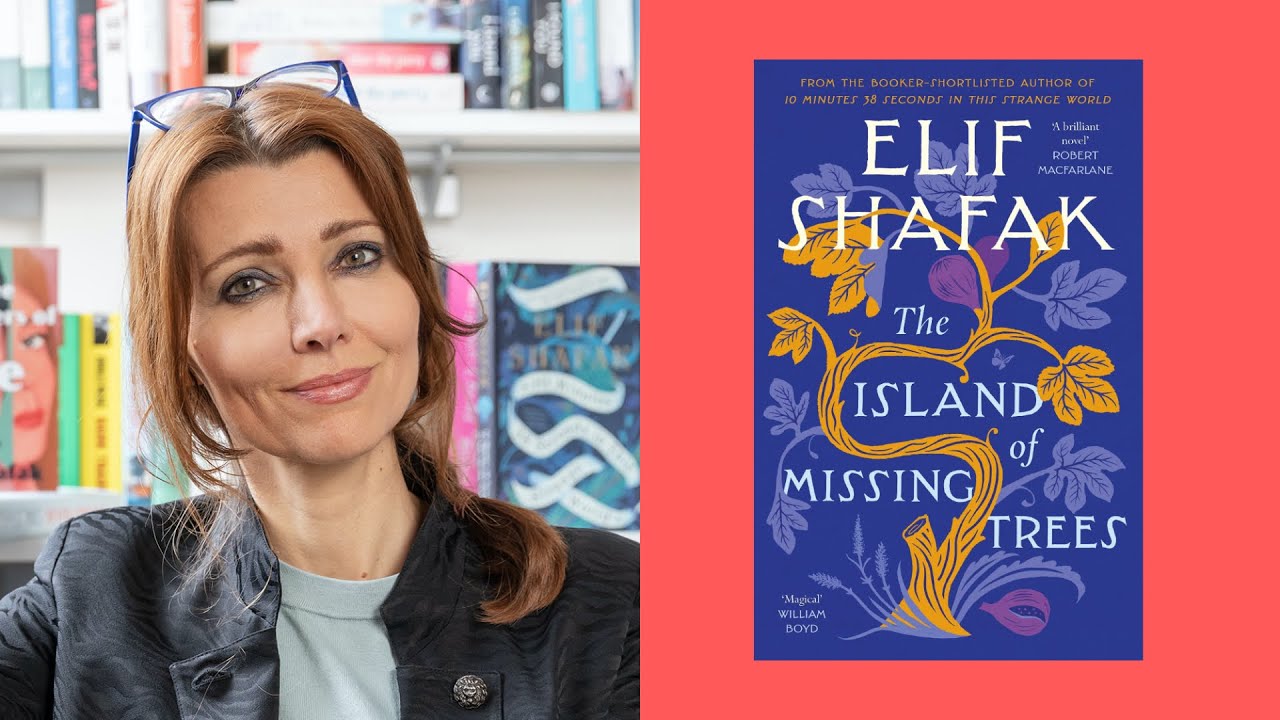
This fig tree witnesses events that shake and then destroy the tavern. It is also one of the narrators of this subtle and moving story. The tree, or at least one of its cuttings, ends up in London in Kostas’s garden around 2010. Kostas lives there with his daughter Ada. Defne died recently, and Ada is having a hard time coping with the loss of her mother. Defne’s sister Meryem arrives, having never seen her niece before.
This wonderful novel, sad without being heavy, punctuated with humor, opens our eyes to a little-known story and, beyond the Cyprus drama, offers a reflection on the deep scars that conflict can leave, often even beyond the generations that lived through it.