

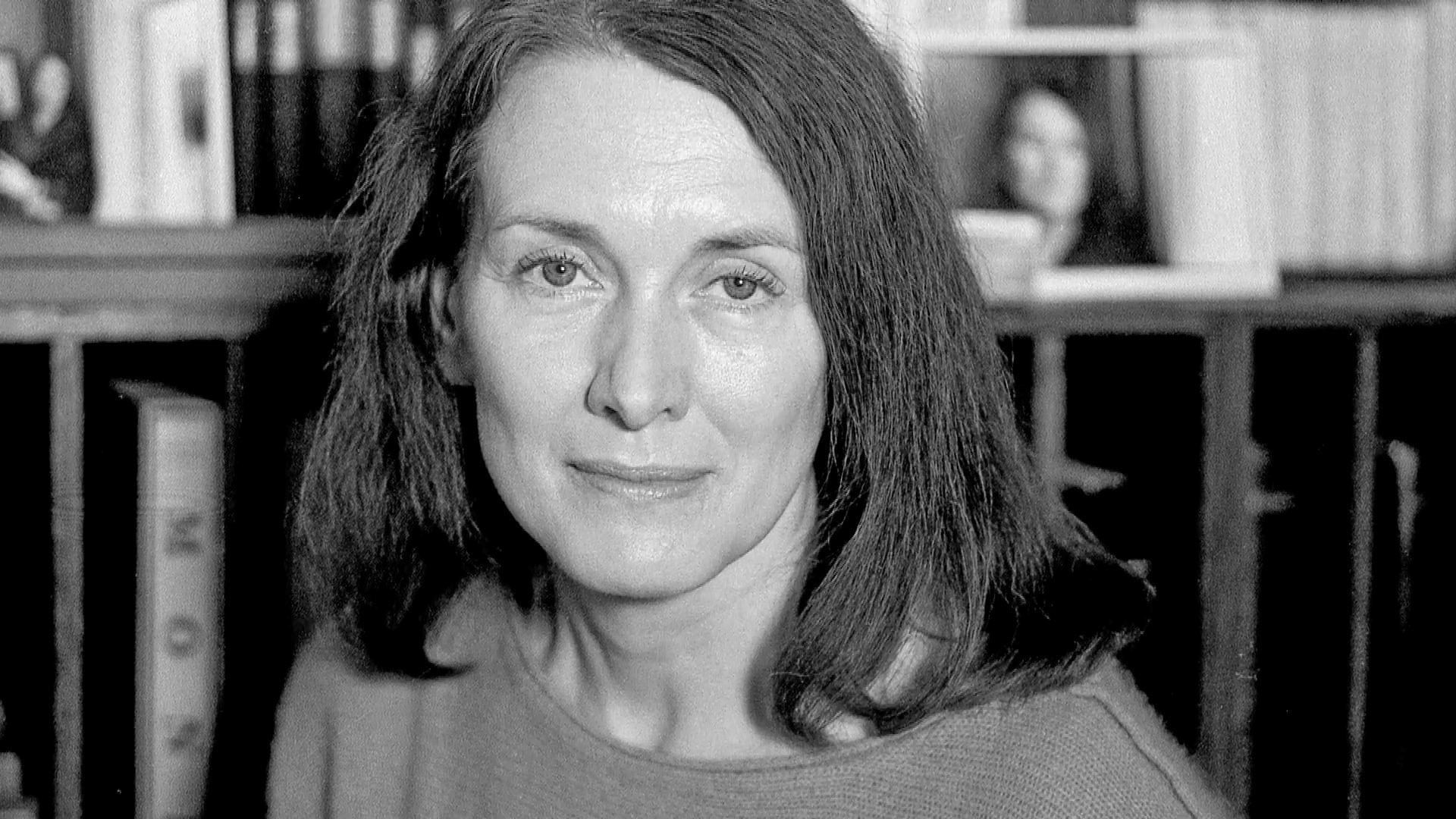
It’s difficult for a man to understand women. No, I don’t want to repeat the old clichés that portray them as mysterious or inaccessible. It’s simpler than that: it’s not easy for a man to put himself in a woman’s shoes. Annie Ernaux’s work, and in particular her book “Les Années (The Years)”, has, I believe, opened a door for me to better understand what a woman’s life can be like.
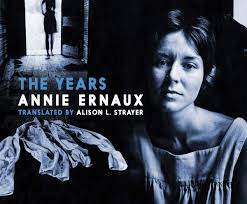
I admit that I didn’t know Annie Ernaux before she won the Nobel Prize for Literature in 2022. Since then, I have begun to explore her work, but the epiphany came one evening at the theater in London. I was spending a night in the English capital before taking the train to Bath and then Oxford. I had just arrived on the Eurostar from Paris. It was a little ironic to have to be in London to discover the theatrical version of “Les Années” the autobiographical account of a French author, but in my search for a show in the West End, the rave reviews intrigued me and then convinced me.
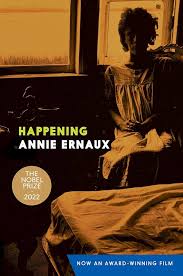
The Harold Pinter Theater had revived the English translation of the adaptation by Eline Arbo of Annie Ernaux’s story, which was first performed in Dutch in The Hague. Upon entering the theater, posters warned audience members that some scenes might be shocking. The scene that caused some audience members—mostly men, it seems—to faint and has been the subject of much discussion is that of an illegal abortion. This scene is reminiscent of the book “L’Evènement (Happening)”, in which Annie Ernaux recounts her own abortion. That book, which has been adapted very well for the cinema, is one of the few works of literature that addresses this topic head-on.
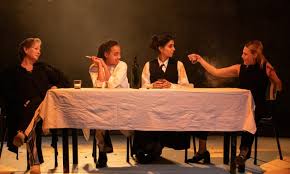
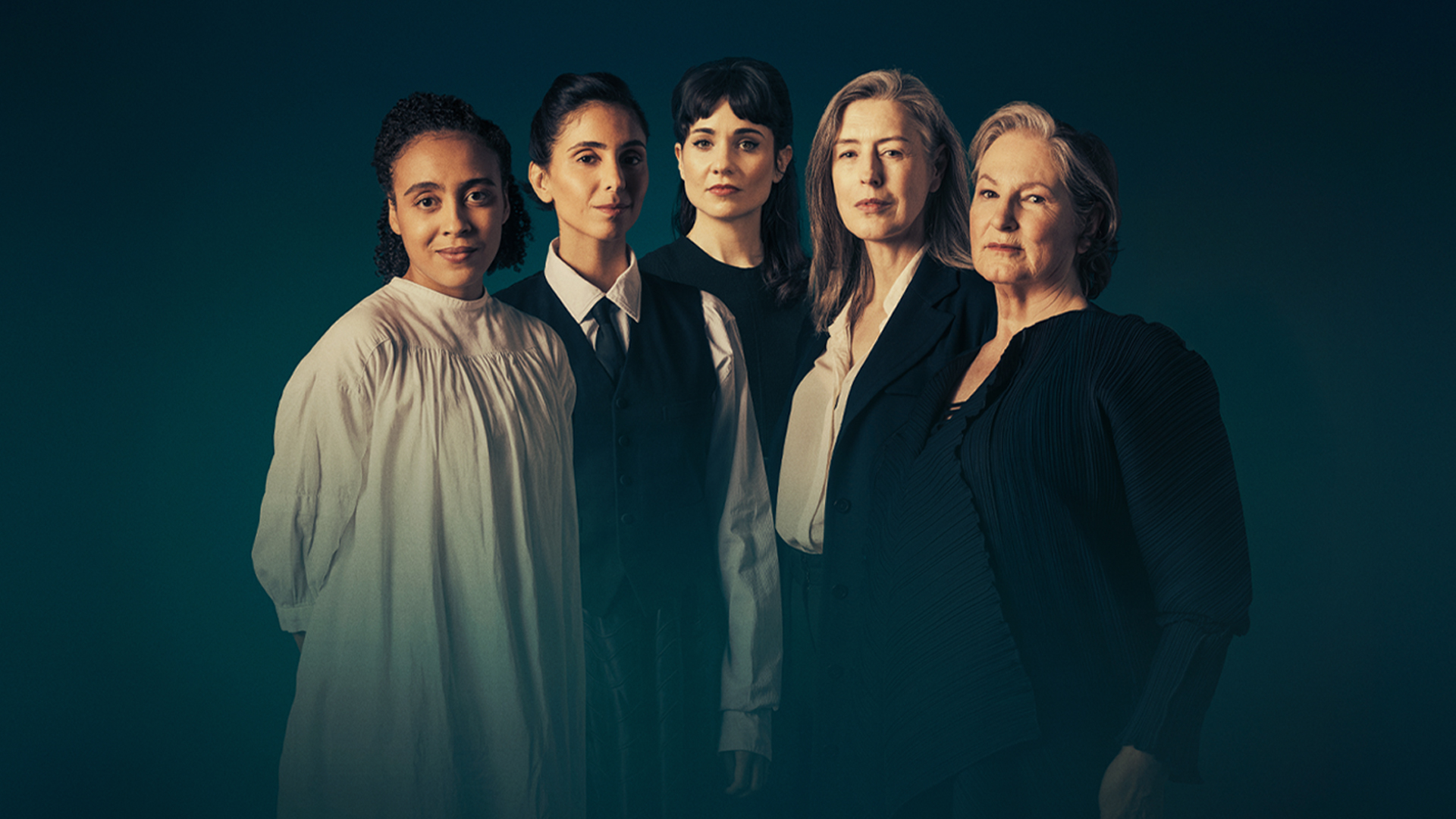
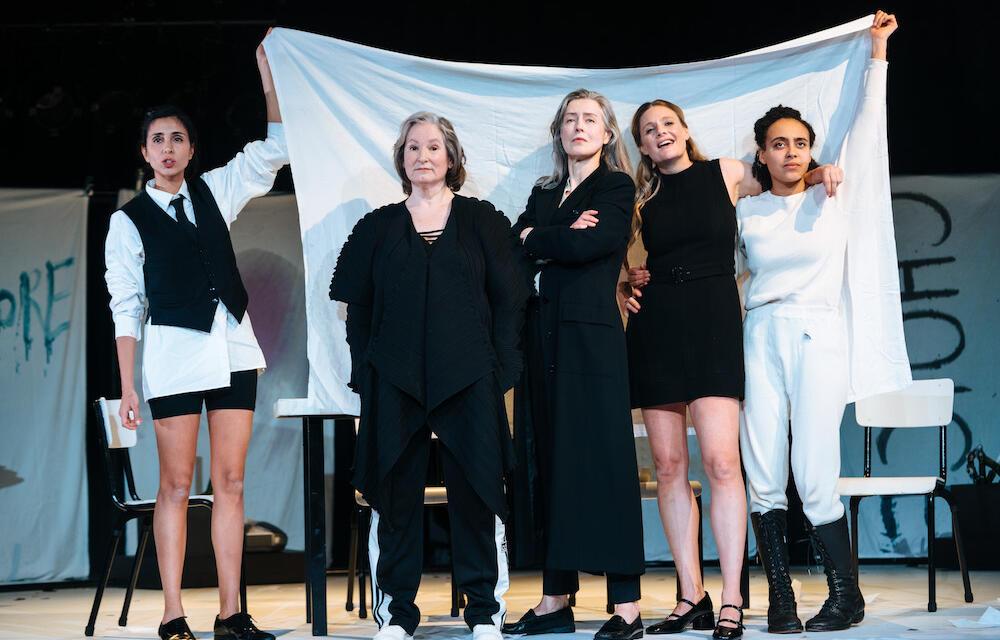
I did not faint during this scene. On the contrary, I found it very poignant. The play is exceptional. On stage, five actresses of different ages play Annie from childhood to old age. Sixty years of an ordinary woman’s life unfold, from the 1940s, just after the war, to the beginning of the 21st century. The intimate mingles with history, the comic with the serious. In nearly two hours, we move from post-war deprivation to the miracles of consumer society, from the moral rigidity of provincial France to the pill and sexual liberation, from the Algerian War to May 68, from the washing machine to fitness classes and the Walkman. Over the years, Annie discovers pleasure, uncomfortable sexual relations, sometimes forced, followed by other ones which are accepted and finally fulfilling. An unwanted pregnancy, followed by assumed motherhood.
The five actresses take turns representing Annie’s life. But even when they pass the baton thanks to an ingenious set of large white sheets, each of the actresses remains on stage for the entire duration of the show. Sometimes they play the role of one of Annie’s children when she has become a mother, sometimes they remain sympathetic observers of the life of this woman who grows up and forges her own path through the upheavals of her era.
I enjoyed reading Annie Ernaux’s book after seeing the play in London. I enthusiastically recommend it, especially to men. And I hope that its theatrical adaptation will continue to shock, make people cry, make them laugh, and open their eyes.