
It had been more than ten years since I had last been to Malaysia. On my first visit, I treated myself to a trip to Malacca in the south, but this time I headed north to Ipoh and the island of Penang.
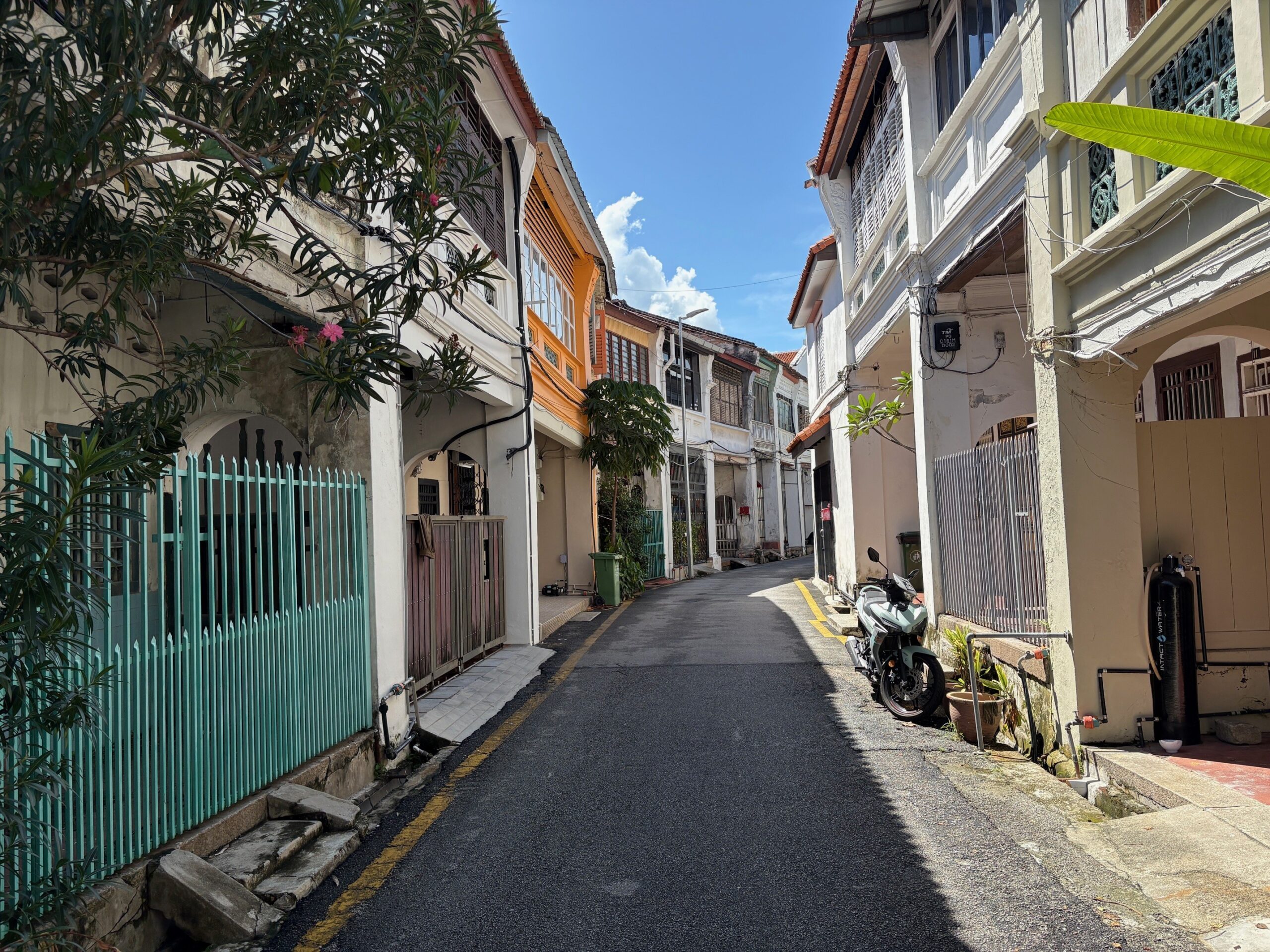
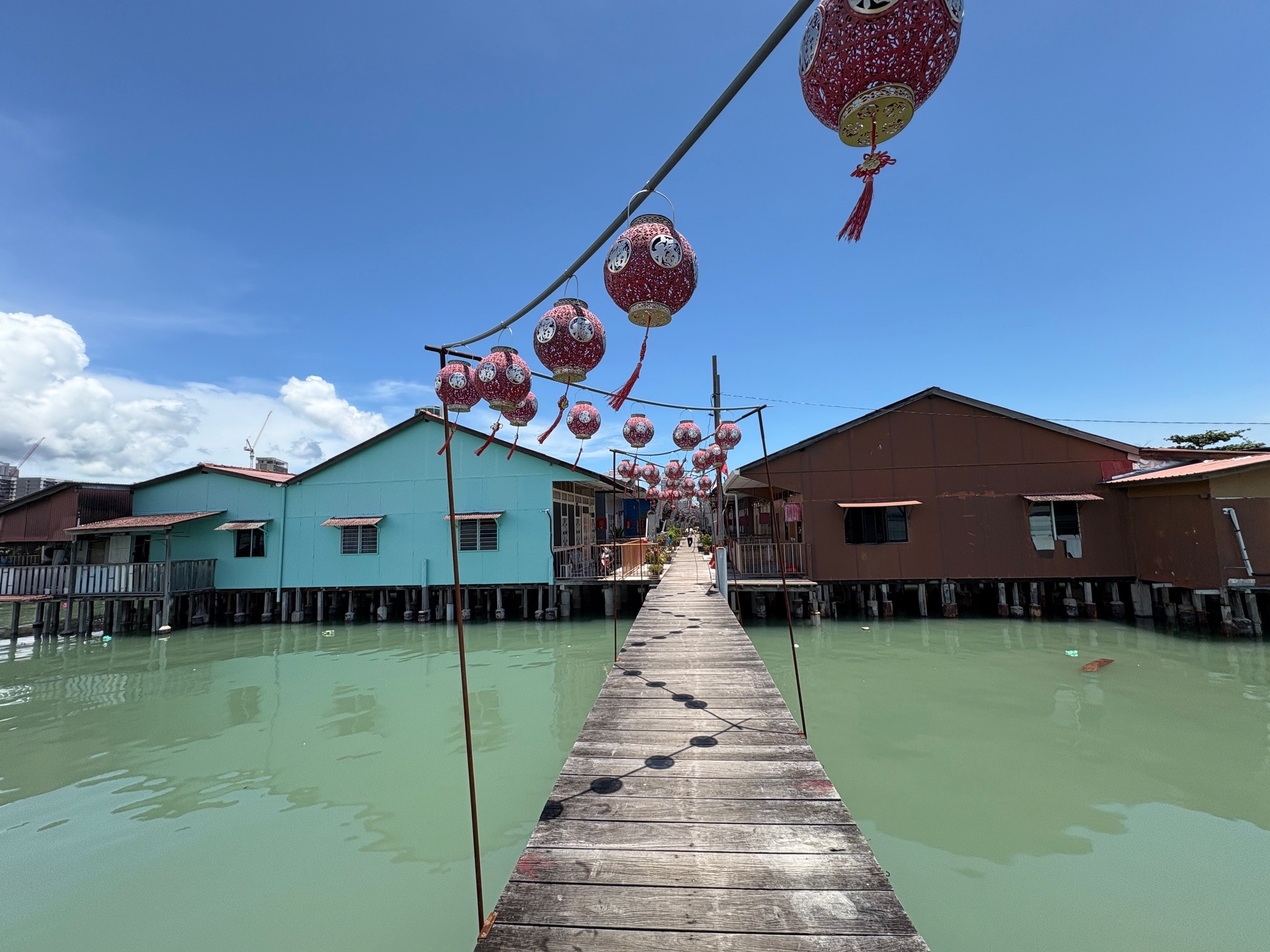
I took an early morning stroll through George Town, the capital of Penang, and was delighted to discover the houses in the old Chinese quarter. The main streets have been renovated and are now home to charming shops, cafes, and small hotels, shaded by bougainvillea and frangipani trees. A few streets away, some of the houses could do with a facelift, but it is here, under the arcades lining the street, that you will find the traditional shops that have made this city famous. Founded in 1786, George Town was the first British outpost in the Straits Settlements, before being supplanted by Singapore. It quickly welcomed a Malay, Chinese, and Indian population, which still contributes to the country’s rich cultural diversity.
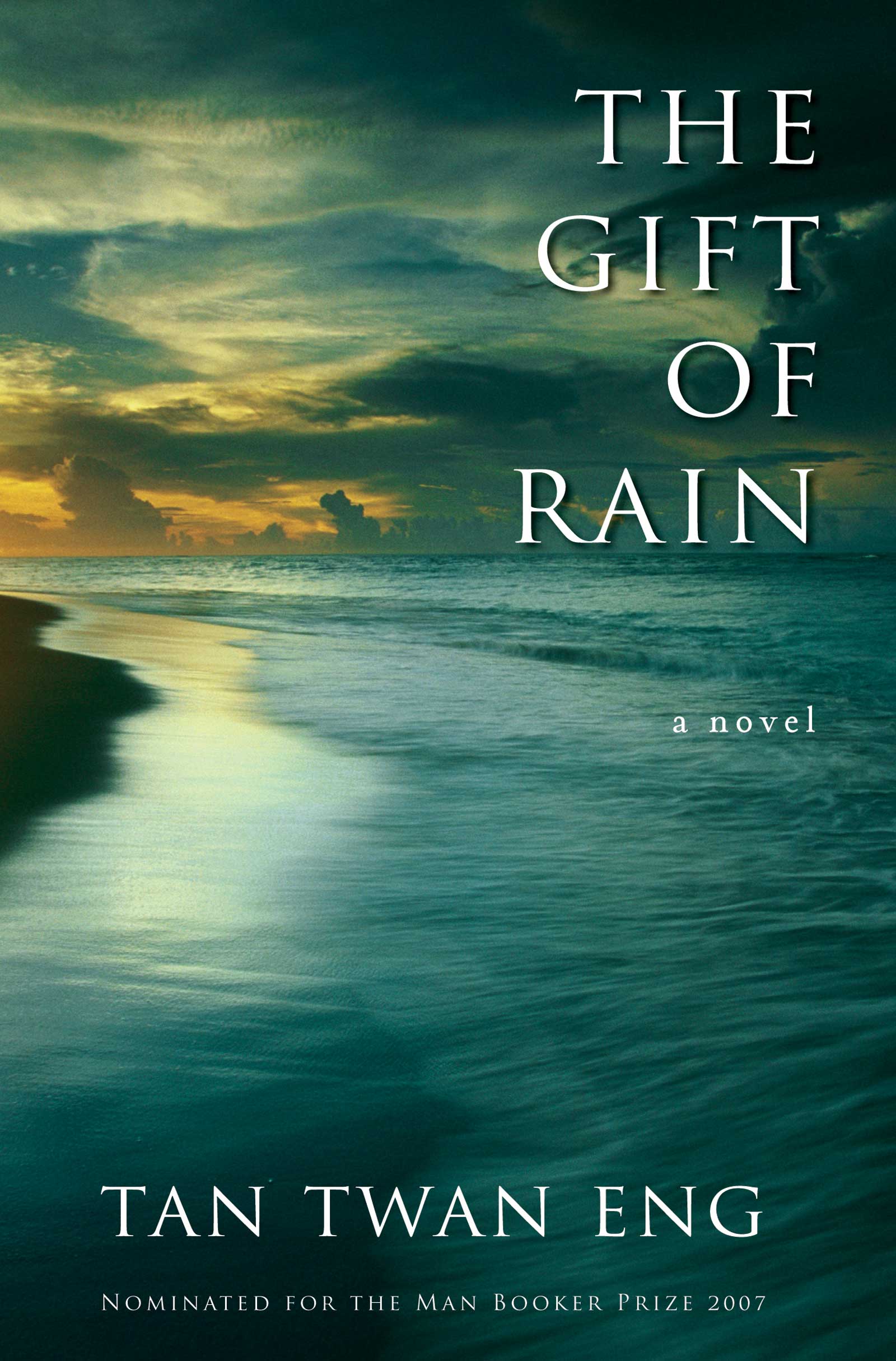
It was in the window of a small bookshop in George Town that I came across the novel “The Gift of Rain” by Tan Twang Eng, a Malaysian writer born in Penang. I loved this book, which tells the story of Philip Hutton. His father is the heir to one of the oldest English trading houses in the region. His mother is Chinese, the daughter of a wealthy merchant. The novel opens with Philip, now elderly, meeting Michiko, a Japanese widow who unexpectedly comes to visit him in George Town. They quickly discover that they share a common interest: Hayato Endo, a Japanese diplomat with whom Michiko had been in love before he took up his post on the island of Penang shortly before the start of World War II. At that time, Philip, a young teenager torn between two cultures, meets Hayato, who becomes his aikido teacher. But war breaks out and Japanese troops seize Malaysia. Philip’s brother William joins the Navy and is killed when his ship is sunk. In George Town, young Philip, still fascinated by his master, chooses to collaborate with the Japanese as an intermediary with the local population. However, he takes advantage of his access to the Japanese administration to pass on information to the resistance.

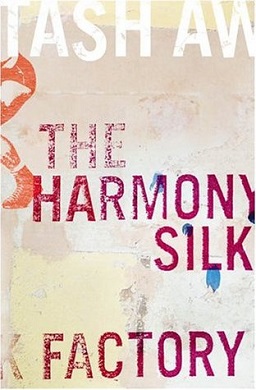
The novel “The Harmony Silk Factory” by Tash Aw, another Malaysian writer, also offers us a portrait of a character with an ambiguous destiny during the same period of the Japanese occupation. The action takes place in the Ipoh region, in the Kinta Valley, rich in tin mines. The first part of the novel gives voice to Jasper, Johnny Lim’s son. He describes his father as an unscrupulous man: coming from nowhere, gifted in mechanics and business, he became rich in the textile trade, married Snow Soong, the daughter of the richest man in the valley, and became the leader of the communist resistance before betraying it to the Japanese. The second part of the novel is Snow’s diary of their honeymoon on the mysterious Seven Virgins Islands. The couple is accompanied by two British men, Peter, a friend of Johnny’s, and Frederick, the manager of a tin mine, and a Japanese academic, Kunichika Mamoru. These three men circle around the beautiful Snow, while poor Johnny realizes that he is uncomfortable in this sophisticated milieu. In the third part, we find Peter, now old, revealing some of the secrets of Johnny’s life and of their journey together to the islands.
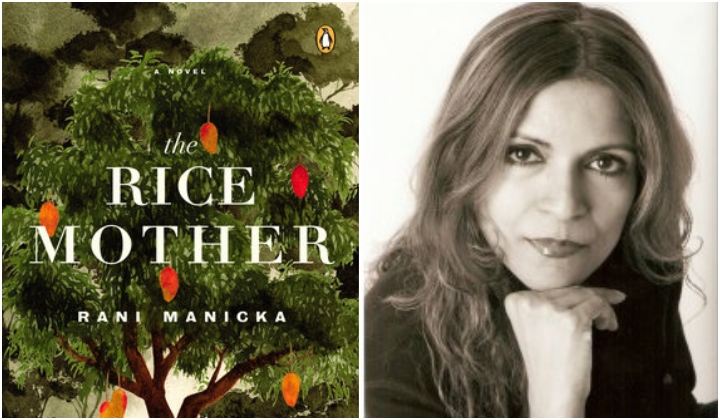
The third novel in my Malaysian literary journey takes us back to Penang. But with “The Rice Mother” by Rani Manicka, a Malaysian author of Sri Lankan descent, we explore another facet of the country’s cultural mosaic. Lakshmi was born in Ceylon and was fourteen when she was promised in marriage to Ayah, a 37-year-old man who had reportedly become rich in Malaysia. Once the marriage was consummated, she arrived in Penang and realized that her husband was poor. They will have six children and will face the horrors of the Japanese occupation during the war. Lakshmi will get through these ordeals thanks to her indomitable energy, but over the course of this sometimes dense novel, she will also become a relentless mother and grandmother, weighing heavily on her family’s future.
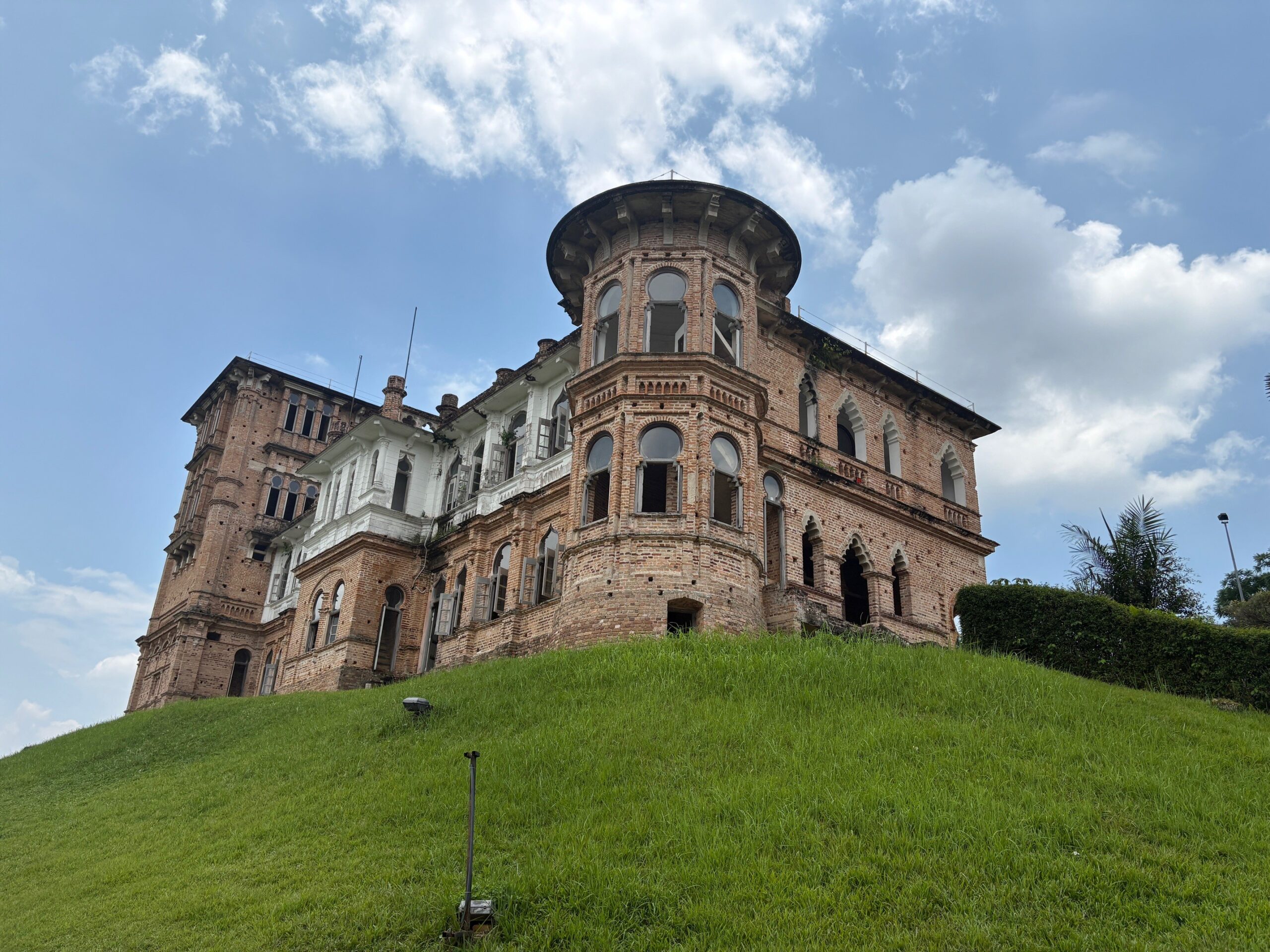
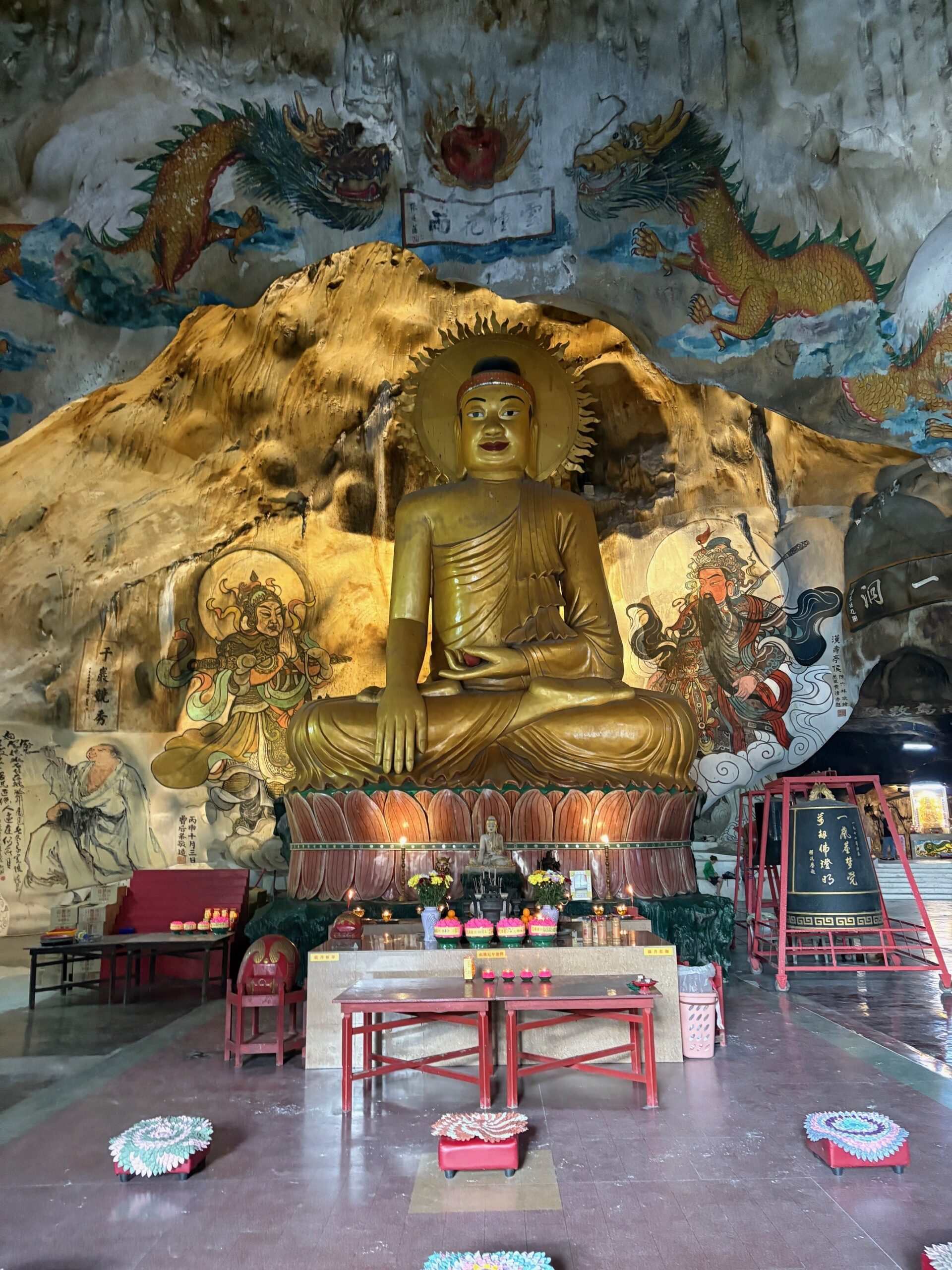
Between my walks through the streets of George Town and my trip to Ipoh, strolling through the old town, exploring the limestone caves housing Chinese temples, and wandering through the ruins of Kellie’s Castle, the remains of a British tin baron’s sumptuous residence, I thoroughly enjoyed reading these three contemporary Malaysian novels. All three look back at World War II, a troubled period in the country’s history, and thus provide a better understanding of a country that remains not well known.