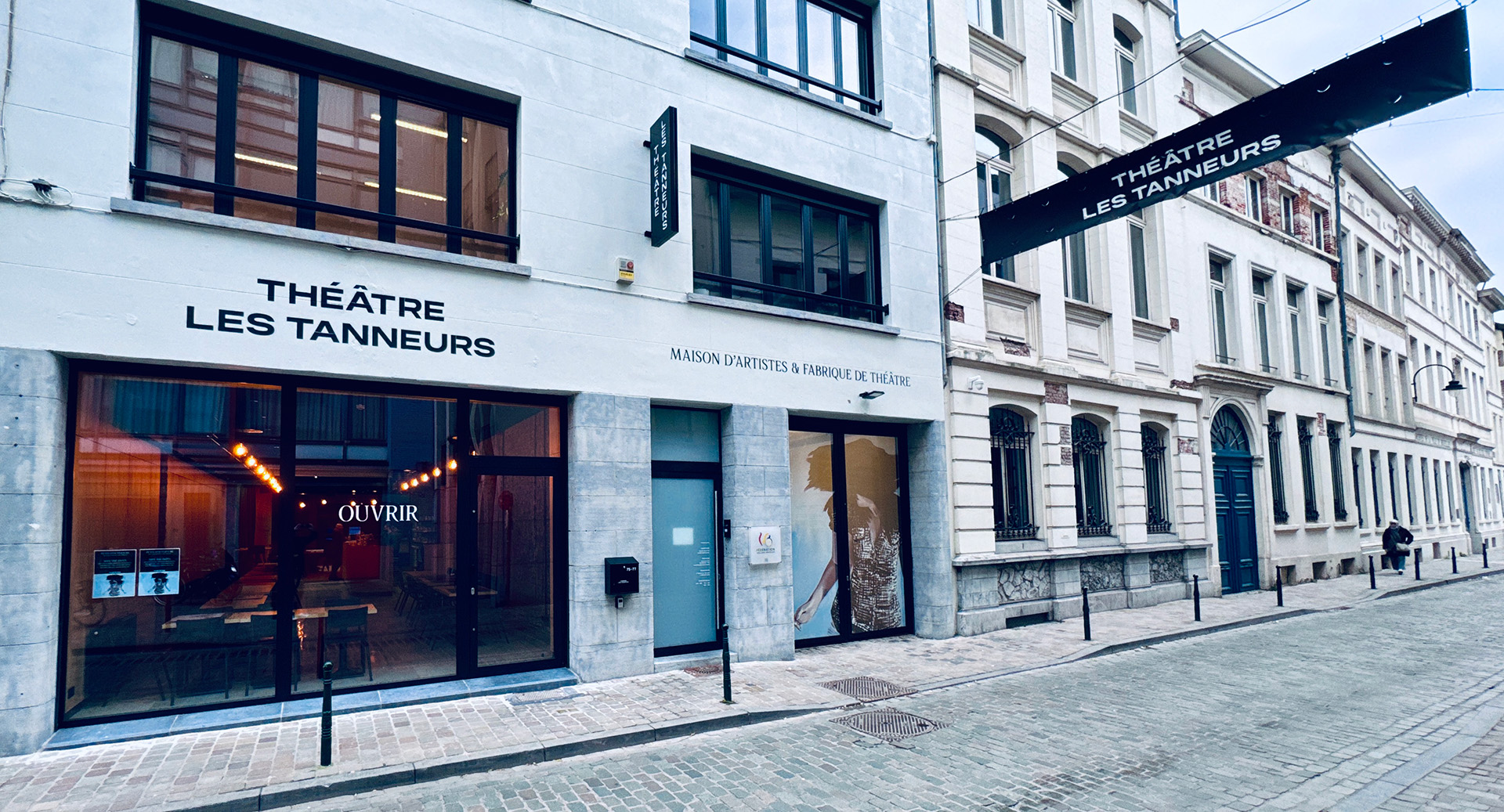

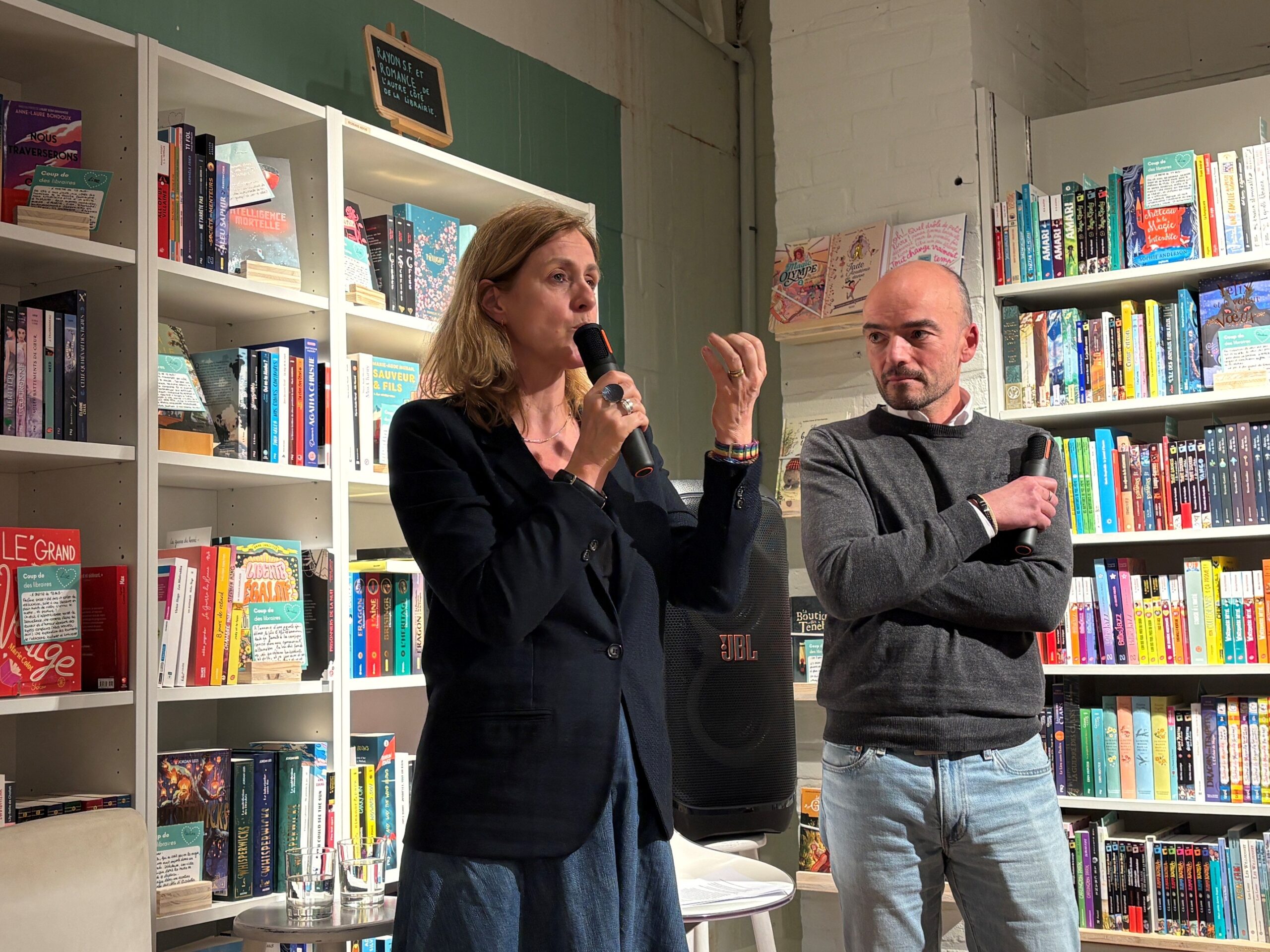
Geneviève Damas has become one of Belgium’s most beloved authors, actresses, and directors. During my recent trip back to Belgium, I had the opportunity, over the course of two weeks, to become more familiar with her work. The first week, she was presenting her latest novel, “Trace” at the bookstore “La Page d’Après” in Louvain-la-Neuve. We were chatting with her as she wrapped up her book signing, and as Céline, my wife, is one of her former’s schoolmates, she invited us the following week to the dress rehearsal of her new play, “Respire” at the Théâtre Les Tanneurs in Brussels.
The two works, unfortunately not yet available in English, present two very different aspects of Brussels, my hometown. “Trace” is set in the world of the high-rise project buildings, the “Towers”, at the foot of which young people deal cocaine and where settling scores leaves a few of them lying in the dust. It’s a world we hear about on TV when a shooting breaks out at a subway exit on the other end of the line I used to take, but one I admit I don’t know. In her play “Respire,” Geneviève Damas talks about her mom, her dad, and a family I might have run into at school or in our neighborhood.
In “Trace”, Farkass is a fifteen-year-old girl. She’s struggling at school, which bores her to death. Her mother cleans houses for a living because her father left them, leaving behind gambling debts. Mother and daughter live in one of the Towers, a dilapidated building under which drug deals take place. Farkass manages to make a name for herself in this male-dominated world. She starts out as a “spotter,” keeping an eye out for cops or rival gangs. But she quickly earns the Boss’s trust and moves up the ranks. She’s given important assignments that require the utmost discretion.
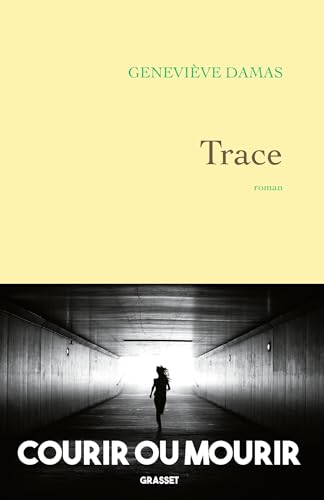
Meanwhile, her physical education teacher, Couturier, has noticed that she runs fast. He invites her to train at his track and field club. If she works hard, she could compete at the highest level, maybe even internationally. When she runs and her stride finds the right rhythm, Farkass forgets everything. Torn between a harsh world—where she has earned her place—and dreams of becoming a champion, she will have to choose. A superb novel, written in a style I had to get used to little by little, but which I ended up devouring.
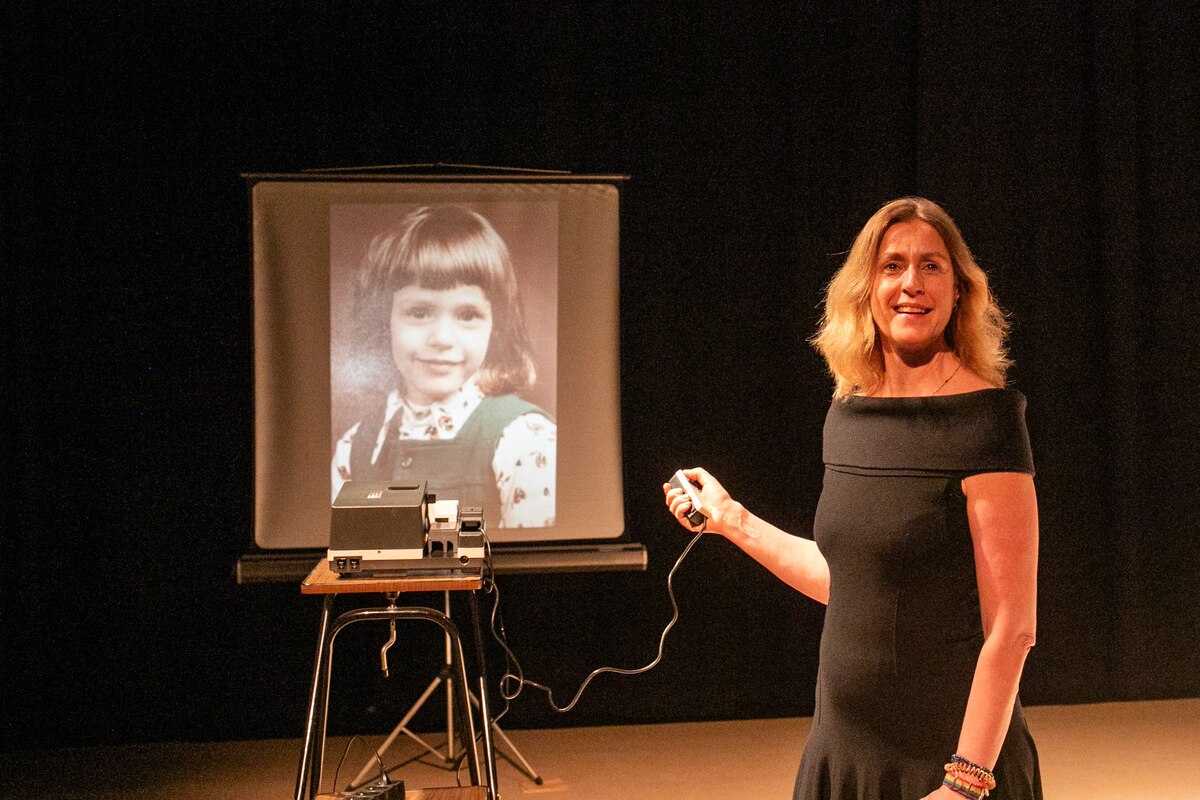
“Respire” thus takes us to another world. In this one-woman show in the intimate space of the small hall at the Théâtre Les Tanneurs, Geneviève Damas recounts chapters of her family’s life. Sometimes she imitates her mother’s voice; other times she projects old black-and-white slides onto a screen. The starting point is the relationship with money. A difficult relationship that she feels within herself, and which she knows stems from her mother’s side. Yet it is her mother who comes from a well-off background, while her father had more modest origins. Upon examining this paradox more closely, we discover that in her mother’s family, women were discouraged—and even prevented—from pursuing an education: they were expected to receive a dowry that would secure them a good marriage. Conversely, on her father’s side, education—for both boys and girls—was seen as an opportunity to rise in society and support the rest of the family.
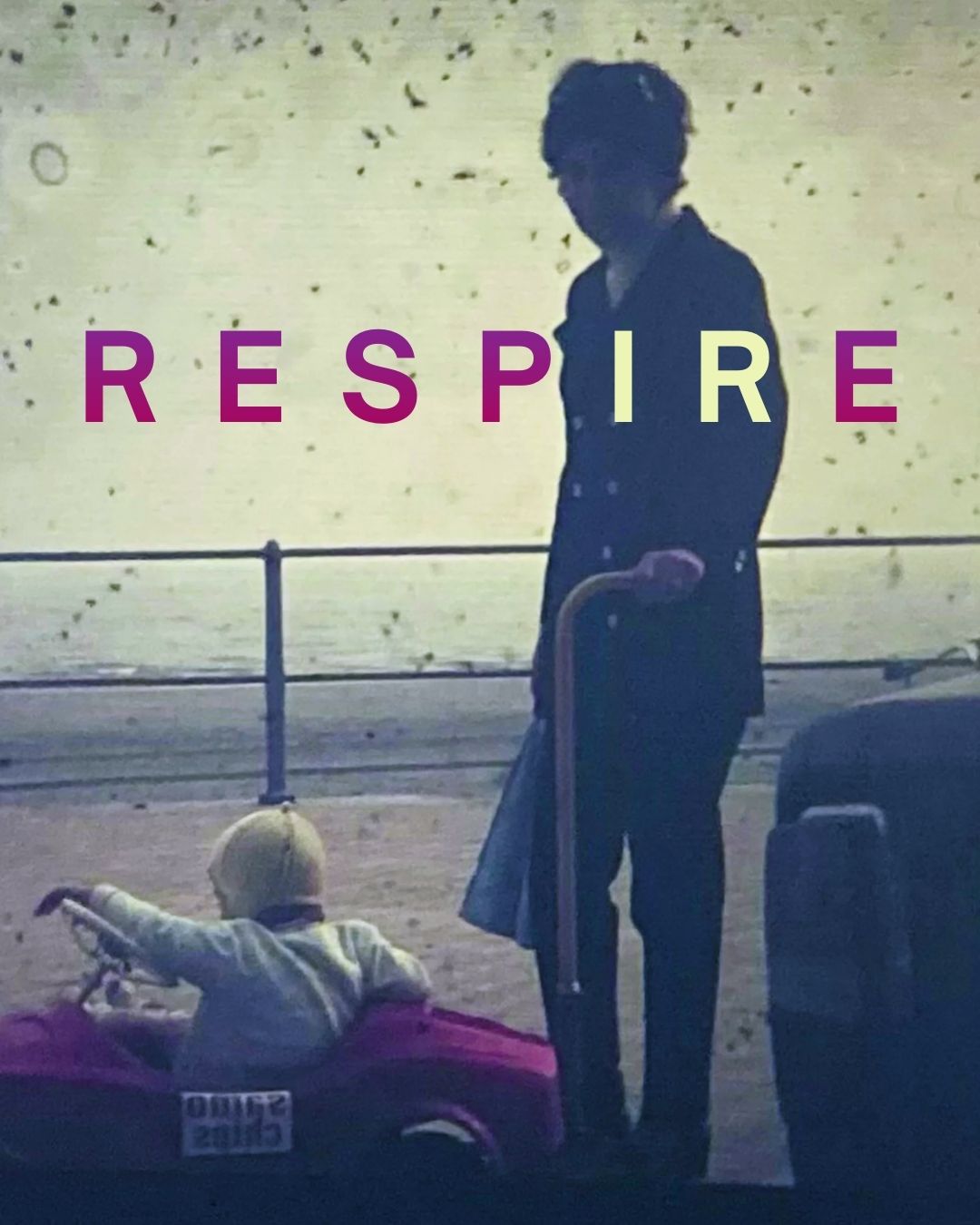
Geneviève Damas’s text and performance are always sincere, often funny, and sometimes moving, particularly when she recounts her father’s request for euthanasia. I had a wonderful evening, rediscovering and reflecting on several expressions and beliefs that are familiar to the world in which I grew up.